

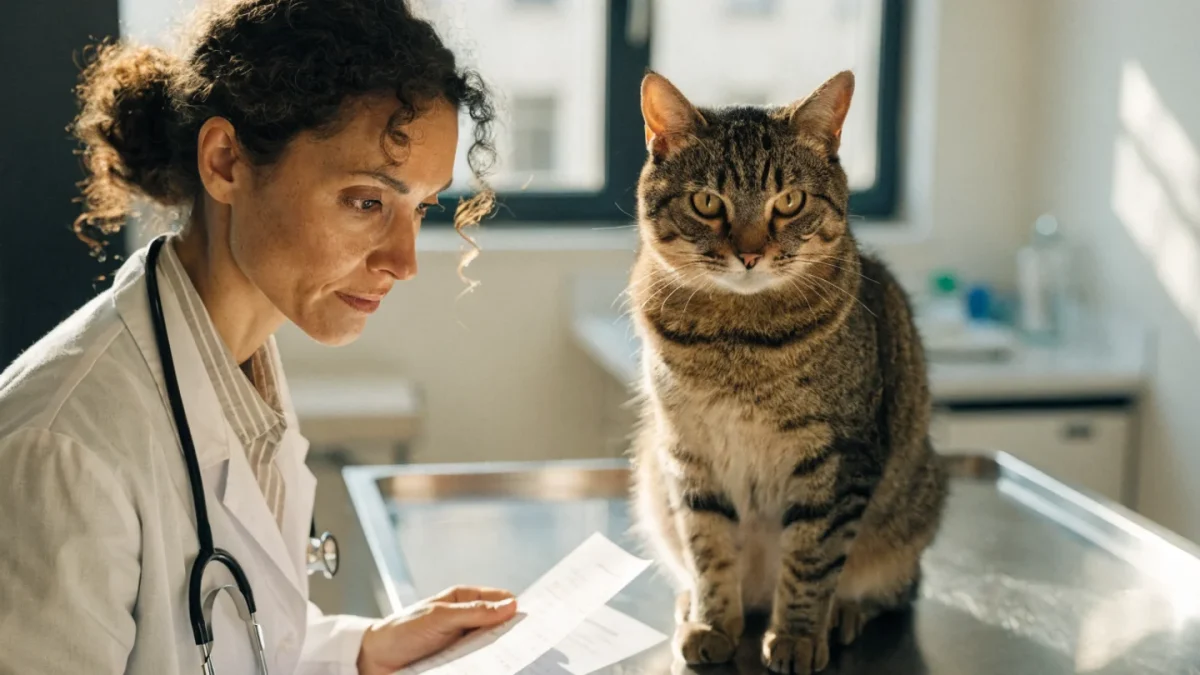
"But he seems perfectly fine." I hear this regularly when I recommend starting a senior screening panel. And that's precisely the point — geriatric screening is designed to catch disease before your pet stops seeming fine.
By the time most serious age-related conditions cause noticeable symptoms, they've been developing quietly for months or years. Kidney disease has usually destroyed two-thirds of kidney function before clinical signs appear. Thyroid tumors in cats grow gradually, causing subtle behavior changes long before the cat looks visibly sick. Early detection doesn't just mean earlier treatment — it often means meaningfully better outcomes.
What a Complete Geriatric Screening Includes
A well-designed senior screening workup goes beyond a basic physical exam. Here's what I recommend, and what each test contributes.
Complete Blood Count (CBC)
The CBC examines the blood cells themselves:
Red blood cells (RBCs) and hemoglobin: Anemia is common in older pets and can result from kidney disease (which reduces erythropoietin production), bone marrow suppression, chronic inflammation, or blood loss. A declining red cell count — even within normal range — is a trend worth watching.
White blood cells (WBCs): Elevated counts may suggest infection, inflammation, or, in some cases, leukemia. Low counts can indicate bone marrow disease or immune suppression.
Platelets: Clotting capacity. Both very high and very low platelet counts have clinical significance.
Biochemistry Panel
This is where many age-related organ changes first show up.
Kidney function markers:
- BUN (blood urea nitrogen) and creatinine — traditional kidney markers that rise when significant kidney function has been lost
- SDMA (symmetric dimethylarginine) — a newer, more sensitive marker that can detect kidney decline earlier than creatinine, sometimes by months to years
- Phosphorus — elevated phosphorus accelerates kidney disease progression and is closely managed in patients with CKD
Liver function markers:
- ALT and AST — liver enzymes that elevate with cell damage
- ALP (alkaline phosphatase) — elevated in liver disease, adrenal disease, bone disease, and as a physiological change with certain medications
- Bilirubin — elevated with liver disease or red blood cell destruction
- Albumin — low albumin indicates reduced liver protein production or chronic protein loss
Metabolic markers:
- Glucose — screens for diabetes mellitus; very common in older cats, increasingly common in older dogs
- Electrolytes (sodium, potassium, chloride) — altered by kidney disease, adrenal disease, GI conditions
- Calcium — elevated calcium can indicate cancer, hyperparathyroidism, or kidney disease
Urinalysis
Blood work and urinalysis together tell a more complete kidney story than either alone. The urine specific gravity — measuring how concentrated the urine is — is one of the earliest indicators of declining kidney function. Healthy kidneys concentrate urine effectively; kidneys that are losing function produce more dilute urine even before blood values change.
Urinalysis also screens for:
- Protein in the urine (proteinuria) — an early marker of kidney damage
- Urinary tract infection — surprisingly common in older female dogs, often silent
- Glucose spillage — confirming diabetes when blood glucose is elevated
- Blood cells, casts, and crystals that provide additional diagnostic information
A first-morning sample, collected before the pet has had water, gives the most accurate picture of concentrating ability.
Thyroid Testing
Dogs: Hypothyroidism (underactive thyroid) is the most common thyroid disorder in dogs and causes weight gain, lethargy, coat changes, and cold intolerance. The primary test is a TSH (thyroid stimulating hormone) measurement alongside total T4.
Cats: Hyperthyroidism (overactive thyroid) is one of the most common diseases in cats over ten years old. Measuring total T4 (TT4) is the primary screening test. In cats with clinical signs but borderline TT4, a free T4 test or thyroid scintigraphy may be needed. Early detection matters because uncontrolled hyperthyroidism damages the kidneys, heart, and eyes over time.
Blood Pressure Measurement
Hypertension is common in older pets and is often secondary to kidney disease, hyperthyroidism, adrenal disease, or cardiac disease. It's also frequently silent — pets don't tell you they have a headache or that their vision is blurring.
Hypertension is measured in veterinary patients much as in human patients — a cuff placed on a limb or tail, automated oscillometric readings, or Doppler ultrasound. The challenge is that veterinary blood pressure measurement requires a calm patient and multiple readings, since anxiety inflates values (what we call "white coat hypertension").
Hypertension that isn't managed damages the kidneys, causes retinal hemorrhage and blindness, and strains the heart. Treatment is highly effective.
Additional Tests Worth Considering
Chest radiographs (X-rays): Evaluate lung and heart health. Recommended for any pet showing respiratory changes, heart murmur progression, or as part of a comprehensive workup in very old patients.
Abdominal ultrasound: Visualizes organ structure in ways blood work can't — identifies adrenal enlargement, liver nodules, splenic masses, bladder changes, and intestinal wall changes. Not part of every screening panel, but invaluable for targeted investigation.
Urine protein-to-creatinine ratio (UPC): When urinalysis suggests protein in the urine, this quantifies the degree of protein loss, which guides management of early CKD.
Culture and sensitivity: When a urinary tract infection is suspected on urinalysis, bacterial culture identifies the organism and which antibiotics will be effective.
How Often Is Often Enough?
My standard recommendation for senior pets:
- Every six months: Physical examination, blood pressure, brief targeted bloodwork if a known condition is being monitored
- Every 12 months: Full CBC, biochemistry panel, urinalysis, thyroid testing
- Every 12-24 months: Consider chest X-rays and abdominal ultrasound depending on physical findings, breed, and age
For pets with known chronic conditions, the frequency increases. A cat with managed CKD may need blood work every three to four months to guide dietary and medication adjustments.
Why Baseline Values Matter
One of the underappreciated values of starting screening before your pet is old is establishing individual baseline values. A creatinine of 1.6 mg/dL (within normal range) in a dog whose previous three values were 0.9 mg/dL represents a meaningful upward trend — even though the current value is technically "normal." Without prior data, that trend is invisible.
I encourage owners to keep a personal copy of their pet's blood work over time, noting the trend rather than just the most recent numbers. This longitudinal view is exactly what makes screening valuable.
What the Numbers Don't Tell You
Blood work is a snapshot, not the whole picture. It doesn't assess pain, behavior, cognitive function, or quality of life. It doesn't tell you how quickly a condition is progressing in an individual patient. This is why screening is part of a comprehensive exam, not a replacement for it.
The age-related health changes these tests detect are most meaningfully interpreted when paired with an attentive physical exam, a thorough history from the owner, and the clinical context that a veterinarian who knows your pet can provide.
When to Start
The comprehensive guide to senior pet health recommends beginning senior screening when pets enter the senior age bracket for their species and size. For large-breed dogs, that might be as early as age five or six. For cats and small dogs, it's typically around age seven to eight.
Starting early means more baseline data, earlier detection of trends, and a better chance of intervening before conditions become difficult to manage. That's the best gift you can give an aging pet.