

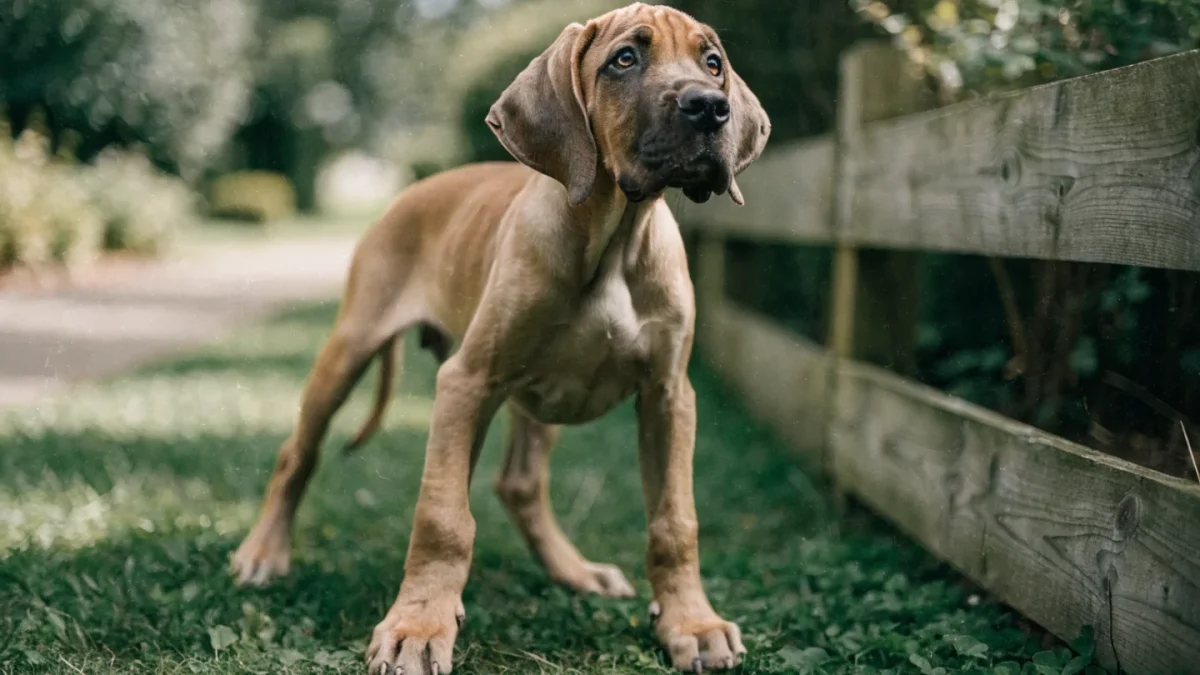
A Great Dane puppy at eight weeks looks manageable. Round, clumsy, maybe 5 to 7 kg — roughly the size of a grown cat. Four months later, that same puppy can weigh 30 kg, reach countertop height, and eat more food per day than some adult medium-breed dogs. The transition from portable puppy to floor-shaking adolescent happens faster with Great Danes than almost any other breed, and the owners who navigate it successfully are the ones who prepared before the puppy arrived.
This great dane puppy buying guide covers health screening, home preparation, and the early decisions that shape the first two years.
Health Screening: What to Verify
Parent dog health evaluations are the single most important factor when sourcing a Great Dane puppy. The breed carries serious genetic predispositions, and responsible sourcing starts with documentation.
At minimum, look for evaluations on both parents covering cardiac health (ideally via echocardiogram, as this breed's primary cardiac concern — dilated cardiomyopathy — is not reliably detected by auscultation alone), hip evaluation through a standardized screening program, thyroid testing, and eye examination. DNA tests for specific genetic conditions vary by breeding program, but any testing done should be documented and available for review.
Avoid sourcing from anyone who cannot or will not provide health documentation. Puppies should not leave the litter before eight weeks of age. The litter and mother should be visible, living in clean conditions with appropriate socialization exposure. Puppies raised in isolation during the first eight weeks miss critical developmental windows for socialization that are difficult to recover later.
Red Flags
- Puppies available immediately with no waitlist — this often indicates high-volume production rather than planned breeding
- Parent dogs unavailable for viewing or with no health documentation
- Emphasis on "rare" colors at premium pricing — color has no bearing on health, temperament, or breed quality
- Puppies offered before eight weeks of age
- No questions about your living situation, experience with giant breeds, or readiness
Adoption as an Alternative
Breed-specific rescue organizations regularly have Great Danes of all ages available. Adult and adolescent dogs from rescue offer a significant advantage: their temperament is already apparent. You know what you're getting in terms of size, energy level, and social behavior — variables that remain uncertain with a puppy.
Senior Great Danes in rescue deserve particular mention. Given the breed's shorter lifespan, dogs aged five or six may have several good years remaining and come with the advantage of settled temperament, house training, and often some obedience foundation. The emotional math is different — you're choosing fewer years with a known companion rather than more years with an unknown one. For many people, that's the better equation.
Home Preparation
Space and Containment
Puppy-proofing for a Great Dane goes beyond what most breeds require. Standard baby gates don't contain a dog that will be tall enough to step over them by four months. Countertops aren't safe storage — a five-month-old Great Dane can reach the back of most kitchen surfaces. Trash cans need lids or placement inside cabinets.
The crate should be purchased for adult size from the start — a crate approximately 137 cm (54 inches) long by 91 cm (36 inches) wide by 96 cm (38 inches) tall. Use a divider to size the interior for the puppy's current dimensions and expand it as the dog grows. Crate training should be introduced as a positive association, not a confinement tool. Given the breed's predisposition to separation anxiety, the crate should feel like a den, not a prison.
Flooring
This matters more than most new owners expect. Great Dane puppies on smooth, slippery flooring (tile, polished hardwood, laminate) slide constantly, and that chronic instability during the growth phase stresses developing joints. Rugs, rubber-backed mats, or textured flooring in the puppy's primary living areas provide traction and reduce the risk of splaying injuries.
Elevated Feeding
Raised food and water bowls are commonly recommended for giant breeds to improve eating posture and reduce air swallowing. The evidence on whether elevated feeding reduces bloat risk is mixed — a large prospective study published in the Journal of the American Veterinary Medical Association found that raised feeding bowls were actually associated with an increased risk of GDV, attributing roughly 52% of GDV cases in giant breed dogs to elevated bowls. No published study has found that elevated feeding reduces GDV risk. Discuss positioning with your veterinarian based on current evidence rather than defaulting to assumptions.
Early Nutrition
Great Dane puppies should eat food specifically formulated for large- or giant-breed puppies. The critical distinction from standard puppy food is controlled calcium and phosphorus levels. Excess calcium during rapid growth interferes with normal skeletal development and is a recognized risk factor for developmental orthopedic conditions.
Feed three measured meals daily until approximately six months, then transition to two meals. Avoid free-feeding entirely — portion control prevents overconsumption during a growth phase where excess weight compounds orthopedic risk.
Supplementing with additional calcium, vitamin D, or other minerals is unnecessary and potentially harmful when feeding a complete, balanced giant-breed puppy diet. More is not better during this phase. Controlled, steady growth produces healthier skeletal development than rapid, supplemented growth.
The First Veterinary Visits
Establish a veterinary relationship immediately. The first visit should occur within days of bringing the puppy home and should include a general health evaluation, a discussion of vaccination and parasite prevention schedules, and — importantly — a conversation about growth monitoring.
Ask about prophylactic gastropexy. This surgical procedure, which tacks the stomach to the abdominal wall to prevent the rotation that causes bloat, can be performed during spay or neuter surgery. Given the breed's extremely high bloat predisposition, this conversation should happen early so the decision is made deliberately rather than under emergency conditions.
The puppy's first year will include more veterinary visits and more careful monitoring than most breeds require. Planning for that — both logistically and financially — is part of responsible preparation.