

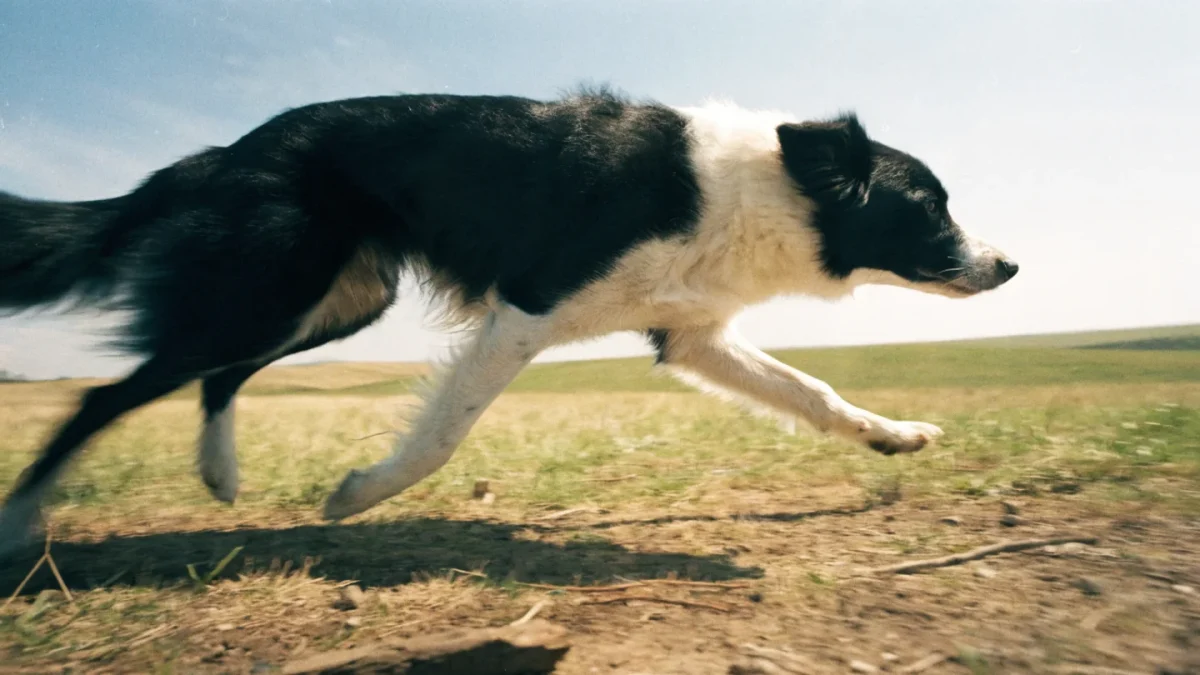
I can usually tell in the first five minutes of a consultation whether a dog's behavior problems are primarily a training problem or an exercise problem. The dogs that are difficult because they don't have enough to do have a particular energy to them — wound up, unable to settle, offering behavior constantly, reacting to everything.
The solution isn't usually more training. It's more appropriate physical output. Then the training becomes possible.
The Exercise Requirement Gap
Most owners who adopt high-energy breeds underestimate the exercise requirement significantly. This isn't a failure of dedication — it's a failure of information. Breed descriptions that say "active lifestyle required" or "high energy" don't quantify what that actually means.
Here's a more concrete framework:
Low-to-moderate energy breeds (Bassets, Bulldogs, Great Danes, Shih Tzu): 30-45 minutes of walking daily, some active play. They settle relatively easily with this.
Moderate energy breeds (Labs, Golden Retrievers, Boxers, Standard Poodles): 45-90 minutes of exercise including some aerobic activity. Brisk walks, fetch sessions, swimming.
High energy breeds (Border Collies, Australian Shepherds, Weimaraners, Vizslas, Belgian Malinois, Huskies, Jack Russell Terriers): 1-2 hours of real aerobic work daily. Not casual walks — sustained activity that gets the heart rate up.
Working-line variations of any high-energy breed: Add 30-60 minutes to the above. A working-line German Shepherd has significantly different needs than a show-line German Shepherd.
What "Real Aerobic Exercise" Means
Walking doesn't count as aerobic exercise for most high-energy dogs. A walk is mental enrichment (sniffing, environment processing) and mild physical activity. It matters, but it doesn't tire a high-drive dog aerobically.
Aerobic exercise means:
- Sustained running (off-leash in a safe area, jogging alongside you, canicross)
- Fetch marathons where the dog runs repeatedly over distance
- Swimming (excellent — non-impact and full-body)
- Dog sport training (agility, herding, treibball — sustained activity with mental engagement combined)
For most high-energy breeds, 60+ minutes of this per day is the baseline. Below that, they're running an exercise deficit that shows up in their behavior.
The Behavioral Signs of Under-Exercise
Boredom and behavior problems have a direct relationship. Under-exercised high-energy dogs typically display:
- Constant restlessness and inability to settle at home
- Destructive chewing and scratching
- Excessive barking and vocalization
- Hypervigilance and reactivity to environmental stimuli
- Demand behaviors (pawing, barking at owners for attention)
- Inability to focus during training sessions
These often get attributed to the breed's "high drive" or "difficult nature." They're usually exercise deficit. Fix the exercise first, then assess what's left.
Mental Exercise Is Not a Substitute (Entirely)
Mental enrichment — puzzle feeders, nose work, training sessions — genuinely reduces arousal and satisfies cognitive needs. For some dogs and some days, it meaningfully supplements physical exercise.
But it's not a full substitute for physical aerobic work in most high-energy breeds. A Border Collie that's done an hour of nose work is engaged and satisfied cognitively. A Border Collie that's run for an hour is physically tired. The combination of both is what produces a dog that can settle in the house.
Starting Points
For owners realizing they're undershooting exercise:
- Add one meaningful aerobic session daily (fetch, run, swim) in addition to walks
- Consider dog sports — agility, flyball, herding all solve exercise and enrichment simultaneously
- Track your dog's behavior over two weeks after increasing exercise. For most high-energy dogs, significant behavior improvement is visible in this timeframe.
- If you can't consistently meet the exercise requirement given your schedule, assess whether a lower-energy breed would be a better fit for your lifestyle.
Exercise requirements by breed provides more specific guidance per breed group. The high-energy dog that's getting enough is a genuinely wonderful companion. The same dog running on empty is a management challenge every day.