

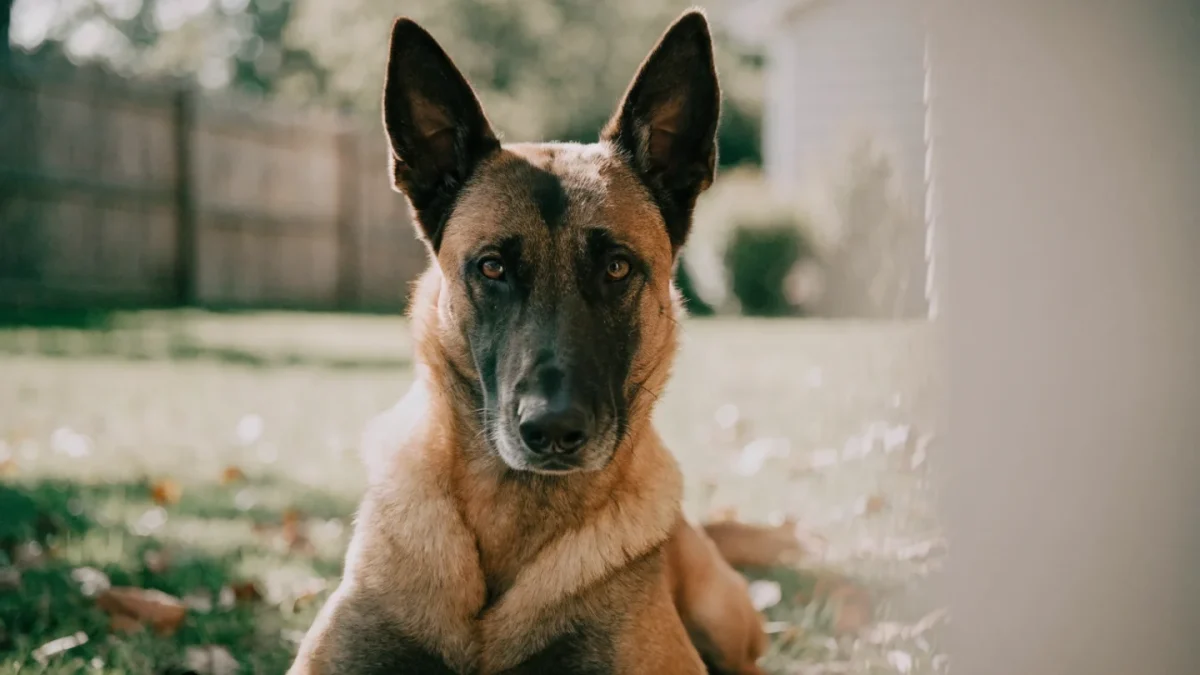
I'm going to tell you something that most breed articles won't: the Belgian Malinois is probably not the right dog for you. That's not an insult — it's a statistical reality. The breed's surrender and rehoming rates have climbed steadily since the mid-2010s, driven by a surge in popularity among people attracted to the breed's appearance in military and police media who significantly underestimated what living with one involves.
The Malinois is a professional-grade working dog. Using one as a household pet is like buying a Formula 1 car for a daily commute — technically possible, but you'll spend most of your time managing capabilities you never needed.
What This Breed Actually Requires
Working-Level Training Commitment
The Belgian Malinois doesn't need training the way a Labrador needs training. A Lab without training is poorly mannered. A Malinois without training is potentially dangerous. The breed's combination of high prey drive, strong defense instincts, and physical power means that an untrained or poorly trained Malinois can cause serious injury during normal arousal — not aggression, just unmanaged intensity.
You need either professional working-dog training experience or an ongoing relationship with a trainer who specializes in high-drive breeds. Group puppy classes at the local pet store are not adequate preparation for this animal.
Constant Mental Occupation
As the Malinois temperament and drive section details, this breed's brain never idles. Without structured mental work — obedience drilling, scent detection, bite sport, tracking — the dog will invent its own projects. Those projects will involve your furniture, your fencing, your other animals, or your guests.
Physical Presence
Malinois need their handler present and engaged. This is not a breed you exercise in the morning and leave alone for eight hours. Working-line Malinois in particular develop severe behavioral problems when understimulated and isolated, including obsessive-compulsive behaviors that are difficult to reverse once established.
You're a Good Fit If
- You have years of experience with working or herding breeds — German Shepherds, Dutch Shepherds, or similar
- You actively participate in bite sport, agility at a competitive level, detection work, or protection training
- You can dedicate two or more hours daily to structured exercise and training
- You're home most of the day or can bring the dog to work
- You have a securely fenced property and understand containment for athletic, motivated escape artists
- You accept that this dog will require professional training support throughout its life
You're Not a Good Fit If
- This is your first working breed
- You want a dog primarily for companionship, hiking, or casual family life
- You work away from home for standard business hours
- You have young children — the breed's intensity and mouthing drive are genuine safety concerns with small kids
- You're attracted to the breed because of military or police videos online
- You don't have access to a trainer experienced with high-drive protection breeds
The Middle Ground Doesn't Exist
With many breeds, there's room for compromise. A golden retriever can adapt to slightly less exercise than ideal. A Labrador can tolerate a moderately busy owner's schedule. The Malinois doesn't have that flexibility. The breed operates at a level of intensity where "almost enough" stimulation produces the same behavioral fallout as "nowhere near enough."
The full Belgian Malinois breed guide covers the breed's history, health, and management in detail. If reading that guide doesn't make you more committed — if any part of it makes you hesitate — trust that hesitation.
Frequently Asked Questions
Can a Belgian Malinois be a family pet?
In rare cases, yes — specifically in families where the primary handler has extensive working-breed experience, the dog receives daily professional-level training, and children are old enough to understand boundaries with a high-drive animal. As a general-purpose family pet selected for companionship, the breed is a poor fit. The Malinois needs a job, and "family pet" isn't enough of one.
Is a Belgian Malinois harder to own than a German Shepherd?
Significantly, in most cases. German Shepherds are versatile working dogs with a broader temperament range and more capacity to settle into household routines. The Malinois has higher baseline drive, faster arousal, and less tolerance for inactivity. The gap is meaningful enough that many experienced German Shepherd owners find their first Malinois overwhelming. If you're genuinely considering a working herding breed but want something more household-compatible, Is a German Shepherd right for you sets out the honest tradeoffs for the more accessible of the two breeds.
What happens if I get a Malinois and can't handle it?
Rehoming a Belgian Malinois responsibly is difficult. Breed-specific rescues exist but are chronically overwhelmed. Many rehomed Malinois cycle through multiple homes before finding an appropriate placement — or don't find one at all. The kindest thing you can do for the breed is make an honest assessment before acquisition, not after.