

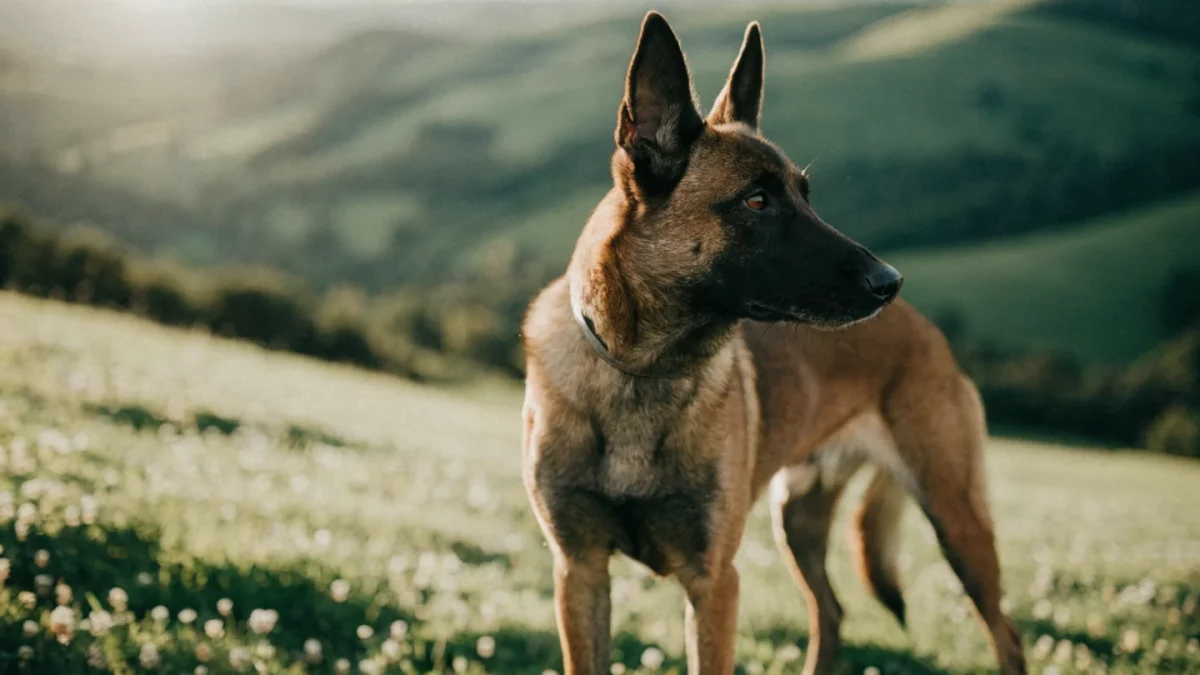
Before the Belgian Malinois became the preferred dog of military special operations teams worldwide, it spent decades as an overlooked herding dog in a Belgian city most people outside of Flanders have never heard of. In 1891, veterinarian Adolphe Reul gathered 117 Belgian sheepdogs at a field study in the Brussels suburb of Cureghem and proposed that they represented a single breed with four distinct coat varieties. The short-haired, fawn-colored dogs from the city of Malines — known as Mechelen in Dutch — became the Malinois. That 1891 survey was the starting point for the breed as we recognize it today.
The Belgian Malinois is a medium-to-large herding breed defined by extreme drive, relentless energy, and an intensity that surprises even experienced dog owners. If you're looking for a belgian malinois breed guide that covers what actually matters — the breed's real history, its physical and behavioral demands, genuine health concerns, and an honest evaluation of whether this dog belongs in your life — this is it.
This breed's surge in popularity over the past two decades has come with serious consequences. Social media clips of Malinois performing spectacular feats have drawn in owners who aren't remotely prepared for what living with this dog actually involves. Some of what follows may discourage you. That's the point.
Origins and History
The Belgian Malinois traces its lineage to the working sheepdogs of Belgium's central provinces, where farmers and shepherds needed all-purpose dogs capable of herding, guarding, and boundary patrol. Unlike the German Shepherd, which was shaped by a single breed founder's vision, the Belgian shepherd varieties emerged from a broader regional population of working dogs that were gradually sorted by coat type.
Professor Adolphe Reul of the Belgian School of Veterinary Sciences catalogued these dogs in the early 1890s, establishing that the short-haired fawn variety from the Malines region was distinct enough to warrant its own designation. The Club du Chien de Berger Belge, founded in 1891, formalized the four varieties: the long-haired black Groenendael, the rough-haired fawn Laekenois, the long-haired fawn Tervuren, and the short-haired fawn Malinois.
By the early 1900s, Malinois were already being used in police work in Belgium. The breed gained its first international reputation through the Belgian Ring Sport trials, a demanding protection sport that tested agility, obedience, and controlled aggression. During World War I, Belgian Shepherds served as messenger dogs, ambulance dogs, and sentries on the Western Front.
The breed arrived in North America in the early twentieth century but remained relatively obscure compared to the German Shepherd, which dominated the working dog market through most of the twentieth century. That changed in the 1990s and 2000s as military and law enforcement agencies increasingly favored the Malinois for its lighter build, higher drive, and longer working lifespan compared to larger working breeds. The breed gained massive public visibility after reports that a Belgian Malinois was part of the U.S. Navy SEAL team involved in the 2011 Abbottabad raid in Pakistan.
Physical Characteristics
Size and Build
Males typically stand 60 to 66 cm at the shoulder and weigh between 25 and 30 kg. Females range from 56 to 62 cm and 20 to 25 kg. The body is square-proportioned — the length from point of shoulder to buttock roughly equals the height at the withers. This proportion is a distinguishing feature from the German Shepherd, which has a notably longer body relative to height.
The overall impression is lean, athletic, and built for sustained speed rather than raw power. The bone structure is moderate — not heavy like a Rottweiler, not fine like a Doberman. Everything about the Malinois physique communicates efficiency. There is no excess.
Coat and Color
The coat is short, straight, and dense, with a thick undercoat that provides weather protection. The standard color is fawn to mahogany with a black overlay — each hair is tipped with black, creating a characteristic shaded appearance. The black mask covers the muzzle and extends around the eyes and onto the ears. Black ears are typical.
Coat color varies considerably between working lines and show lines. Working-line Malinois often tend toward darker mahogany or red fawn, while show-line dogs may present in lighter fawn shades. The undercoat is lighter, usually pale fawn or gray.
Shedding is moderate year-round with two seasonal coat blows. The short coat is lower-maintenance than the Tervuren's or Groenendael's long hair, but "lower-maintenance" is relative — regular brushing is still necessary, especially during seasonal changes.
Distinguishing Features
The head is cleanly chiseled with a flat skull and moderate stop. The muzzle is roughly equal in length to the skull, tapering slightly but never pointed. Ears are stiff, triangular, and set high — they stand fully erect, which contributes to the breed's perpetually alert expression. The dark brown, medium-sized eyes convey an intensity that people unfamiliar with the breed often find unsettling.
The tail reaches the hock and is carried in a gentle curve during movement — never curled over the back. In motion, the Malinois has a distinctive effortless trot that covers ground quickly. At full speed, the breed is remarkably fast, capable of reaching sprint speeds that outpace most other herding breeds of comparable size.
Temperament and Behavior
If the German Shepherd is a disciplined soldier who follows orders with steady precision, the Belgian Malinois is the special operations candidate who runs the obstacle course twice because once wasn't enough stimulation. This breed doesn't just have energy — it has drive, and that distinction matters enormously.
What Most People Get Wrong About This Breed
The biggest misconception I encounter: "A Malinois is basically a smaller German Shepherd."
It isn't. The Malinois operates at a fundamentally different intensity level. Where a German Shepherd will typically settle after adequate exercise, a Malinois will settle after adequate exercise and mental work and structured interaction — and even then, it's more of a tactical pause than genuine relaxation. The breed's threshold for stimulation is dramatically higher than almost any other herding breed.
The second misconception is that the Malinois you see performing jaw-dropping feats on social media represents typical behavior. Those dogs are professionally trained working dogs with years of structured development. An untrained Malinois doesn't channel that drive into impressive tricks — it channels it into destroying your house, your furniture, your relationships, and your patience. The raw drive is there regardless of training. The direction of that drive is entirely up to the handler.
For a deeper look at what that intensity actually means day to day, see this breakdown of Belgian Malinois temperament and drive.
Drive Profile
The Malinois possesses high prey drive, high defense drive, and unusually high environmental awareness. The breed notices everything — every sound, every movement, every change in routine. This hypervigilance is what makes them exceptional working dogs and deeply challenging pets.
Prey drive manifests as intense interest in moving objects: balls, running children, bicycles, squirrels, fluttering plastic bags. The speed of the response is notable — a Malinois can go from resting to full sprint in a way that catches most owners off guard.
Defense drive produces a natural protectiveness that, without proper socialization and training, can develop into reactivity or inappropriate guarding behavior. A well-socialized Malinois can distinguish between genuine threats and normal environmental stimuli. A poorly socialized one cannot, and the consequences of that failure are significant given the breed's physical capabilities.
Social Dynamics
Malinois tend to bond intensely with one primary handler, though they can maintain strong relationships with a family unit. They're not typically the "greets everyone enthusiastically" type — most are reserved with strangers and watchful rather than immediately friendly. This is normal breed temperament, not a socialization failure.
With other dogs, results vary significantly. Many Malinois have strong same-sex dog aggression, particularly intact males. Early and ongoing socialization helps, but the breed's high arousal level means that play can escalate to conflict faster than with more laid-back breeds. Dog parks are generally a poor idea for this breed.
With children, the Malinois can be a loyal companion, but the breed's intensity and physical power demand constant supervision. A Malinois that "nips" during play delivers a very different experience than the same behavior from a Golden Retriever. Young children and young Malinois are a combination that requires management far beyond what most families are prepared to provide.
Health Profile
The Belgian Malinois is generally a robust breed with fewer structural health problems than many working dogs of comparable size. This relative health advantage is one reason the breed has gained favor in professional working roles — military and law enforcement agencies need dogs that stay operational.
Hip and Elbow Dysplasia
Like most medium-to-large breeds, the Malinois is susceptible to hip and elbow dysplasia. However, incidence rates are generally lower than in German Shepherds, partly because the breed's lighter build places less stress on joints and partly because working-line breeding programs have historically selected hard for functional soundness. OFA (Orthopedic Foundation for Animals) statistics put Belgian Malinois hip dysplasia at around 5.4%, against 19% or higher in German Shepherds — a gap wide enough that it isn't noise. Both numbers come from screened, largely breeding-stock populations, so the real rate in the general pet population of either breed is probably higher, but the relative gap holds. Screening of breeding stock through standardized evaluation programs remains essential.
Eye Conditions
Progressive retinal atrophy (PRA) occurs in the breed. A DNA test exists for the most common form, and responsible breeders screen for it. Pannus (chronic superficial keratitis) is also reported, particularly in dogs working in high-UV environments. Regular ophthalmologic evaluation is recommended for breeding stock.
Other Health Concerns
- Epilepsy: The breed has a recognized predisposition to idiopathic epilepsy. Onset typically occurs between one and five years of age. The condition is manageable with medication in many cases but is a lifelong concern.
- Bloat (gastric dilatation-volvulus): A risk in any deep-chested breed. Awareness of feeding practices and symptoms is essential.
- Sensitivity to anesthesia: Some Belgian Shepherds show heightened sensitivity to certain anesthetic agents, particularly acepromazine and xylazine. There's no solid prevalence study behind this — it's anecdotal, built up from case reports and working-dog vets comparing notes — but the pattern is consistent enough, and plausibly tied to how lean these dogs run, that it's worth discussing with a veterinary professional before any surgical procedure.
- Degenerative myelopathy: A progressive neurological condition that affects the spinal cord. A DNA test is available, and responsible breeding programs screen for it.
Lifespan
The average Belgian Malinois lifespan is approximately 12 to 14 years, which is notably longer than many working breeds of similar size. German Shepherds average 9 to 13 years; Rottweilers average 8 to 10 years. This longevity is a practical advantage in working roles and a consideration for prospective owners — you're committing to well over a decade with a very demanding animal.
Grooming Requirements
The Malinois is among the lower-maintenance breeds in terms of grooming. The short, dense coat doesn't mat the way longer-coated breeds do, and the breed lacks the heavy feathering that makes breeds like the Golden Retriever a grooming project.
Coat Care
Brush the coat once or twice per week with a bristle brush or rubber grooming mitt to remove dead hair and distribute natural oils. During the two annual coat blows — typically spring and fall — increase to daily brushing with an undercoat rake. The volume of shed hair during these periods is surprising given the coat's short length; the dense undercoat produces more loose fur than the sleek exterior suggests.
Bathing every six to eight weeks is typically sufficient unless the dog is working in dirty conditions. Over-bathing strips the coat's natural oils and can cause dry skin. Use a mild, soap-free shampoo.
Nails, Ears, and Teeth
Active Malinois that work on hard surfaces often wear their nails down naturally, but check every two weeks and trim as needed. The erect ears are well-ventilated and less prone to infections than floppy-eared breeds, but inspect them weekly. Dental care — regular brushing or appropriate chewing opportunities — prevents periodontal disease.
Exercise and Activity Needs
This section is where most people discover they shouldn't own a Belgian Malinois.
A Malinois needs a minimum of two hours of structured physical and mental activity daily. Not a leisurely walk. Not a backyard. Two hours of purposeful, engaging work that taxes both the body and brain. On many days, the dog will want more.
What Counts as Exercise for This Breed
- Structured obedience and task training: The bread and butter of Malinois engagement. Training sessions that challenge the dog to think and perform are more tiring than physical exercise alone.
- Tug and retrieve with rules: Not mindless fetch. Structured games with start and stop commands, impulse control, and handler engagement.
- Scent work and tracking: Engages the brain intensely. Many pet Malinois thrive in competitive nose work.
- Agility, ring sport, or similar canine sports: The breed excels in activities that combine athleticism with handler communication.
- Swimming, running, hiking: Good physical outlets, but alone they're insufficient. A Malinois that gets a five-mile run but no mental work is still an understimulated Malinois.
What Doesn't Count
Yard time. Being left in a large fenced area is not exercise. A Malinois left alone in a yard will dig, pace, bark, chew fencing, or develop repetitive behaviors. The dog needs to work with its handler, not exist in proximity to open space.
Consequences of Under-Exercise
An under-stimulated Malinois doesn't just become "naughty." It becomes destructive on a scale that other breeds rarely achieve. Shredded drywall, destroyed door frames, fence climbing, escape attempts, obsessive behaviors, self-harm through excessive licking or chewing, redirected aggression. These aren't occasional nuisance behaviors — they're predictable outcomes of housing a high-drive working dog without adequate outlets. The breed doesn't malfunction when under-exercised; it functions exactly as designed, just without direction.
Nutrition Fundamentals
Feeding Approach
The Malinois has a high metabolic rate relative to its size, particularly in active working dogs. Caloric needs vary widely — a pet Malinois at moderate activity may need 1,400 to 1,800 calories daily, while a working dog in an operational role or intense sport training may require 2,000 to 2,500 or more. A 2020 study tracking young Belgian Malinois military working dogs in pre-training in Germany found they were actually eating an average of 2,546 calories a day — training load, cold ambient temperatures, and continued growth at 12 months all stacking on top of each other. That's more than double what the same study's baseline companion-dog figure would predict for a similarly sized pet.
Feed measured meals — two per day for adults, three for puppies under six months. Working dogs may benefit from performance-formulated diets with higher fat and protein ratios. Work with a veterinary professional on specific dietary planning rather than relying on packaging guidelines.
Weight Management
The Malinois should look lean. Ribs easily felt, visible waist from above, clear abdominal tuck from the side. This breed carries very little body fat when at proper condition, and even a few extra kilograms are noticeable on the square, athletic frame. Excess weight stresses joints and reduces the explosive athleticism the breed needs to thrive.
Training
The Belgian Malinois is extraordinarily trainable in the right hands. In the wrong hands, it's extraordinarily good at training its owner — and not in ways the owner appreciates.
Approach
This breed responds to clear, consistent, reward-based methods with well-timed corrections when needed. The Malinois is highly sensitive to handler emotion and state of mind. Frustrated handling produces a frustrated dog. Calm, confident handling produces a dog that mirrors that composure.
Start training immediately — not at six months, not after the puppy settles in. From the first day. Early socialization is critical and non-negotiable. Expose the puppy to a wide range of people, environments, surfaces, sounds, and situations between 8 and 16 weeks. The socialization window in this breed matters more than in most because an under-socialized Malinois with high defense drive is a genuine liability.
Key Priorities
- Impulse control: Teach "leave it," "wait," and a reliable recall before anything else. A Malinois without impulse control is a missile without guidance.
- Bite inhibition: The breed's jaw strength is formidable. Mouthing that goes uncorrected in puppyhood becomes a serious problem in an adult Malinois.
- Crate and settle training: The dog must learn to shut down on command. An "off switch" doesn't come naturally to most Malinois — it has to be deliberately built.
- Handler focus: The dog should look to its handler as the most interesting thing in any environment. This is the foundation of everything else.
Advanced Work
Most Malinois need a "job" beyond basic obedience. This doesn't mean every owner needs to do protection sport, but the dog needs structured activities that provide a sense of purpose. Scent detection, agility, tracking, search-and-rescue training, or competitive obedience give the Malinois the kind of focused work it craves. A Malinois with nothing to do is a Malinois looking for something to do, and you won't get a vote on what it chooses.
Living Situation Compatibility
Space Requirements
The Malinois can adapt to various living spaces if — and only if — its exercise and mental stimulation needs are met. A dedicated owner in an apartment who provides three hours of structured activity daily will have a calmer dog than a casual owner on five acres who lets the dog "run free."
That said, close-quarters living amplifies every behavioral issue. A Malinois in an apartment that isn't adequately exercised is a noise complaint, a damage deposit loss, and potentially a liability issue. Soundproofing doesn't fix understimulation.
Multi-Pet Households
Careful management is required. The Malinois's high prey drive can be problematic with cats and small animals, especially without early and thorough socialization. Same-sex dog aggression is common. Successful multi-pet households with Malinois exist, but they require experienced management and honest assessment of the individual dog's tolerance levels.
Climate
The double coat provides reasonable cold tolerance, and the breed generally handles heat better than heavier-coated working breeds. However, the Malinois's tendency toward sustained high-intensity activity means overheating is a risk during warm-weather work. Monitor the dog's condition, provide water frequently, and avoid peak heat for exercise.
The Right Owner for This Breed
I'll be direct. The Belgian Malinois is the right dog for you if:
- You have a minimum of two hours daily — every single day — for structured physical and mental work with the dog
- You have prior experience with high-drive working breeds and understand the difference between energy and drive
- You're prepared to invest in professional training or have the skill set to train at a high level yourself
- You want a dog that's intensely bonded to you and will follow your lead in exchange for consistent engagement
- You have a plan for the dog's mental occupation — a job, a sport, or structured activities beyond walks
- You accept that this breed requires management, not just love, for its entire 12-to-14-year lifespan
The Belgian Malinois is the wrong dog for you if:
- Your primary motivation is that you saw impressive videos online
- You want a family pet that's good with casual handling and neighborhood dog parks
- You work long hours with no plan for the dog's daily activity needs
- You've never owned a working breed and want to "start with a challenge"
- You're hoping the dog will be content with a yard and weekend hikes
- You're not willing to modify your lifestyle around the dog's needs
For a more detailed breakdown, read this honest assessment of whether a Malinois suits your household.
There's no shame in deciding this breed isn't for you. In fact, that's the most responsible conclusion most people can reach. The Malinois doesn't need more owners. It needs the right ones.
Frequently Asked Questions
Is a Belgian Malinois good for a first-time dog owner?
No. This is not a starter breed by any reasonable measure. The Malinois demands experienced handling, structured training, and a lifestyle commitment that most first-time owners aren't prepared to provide. The breed's intelligence makes it seem manageable in theory, but that intelligence combined with extreme drive, high physical capability, and an intense need for engagement creates a dog that will overwhelm an inexperienced handler. There are dozens of breeds better suited to a first-time owner's learning curve.
How much does a Belgian Malinois shed?
Moderately year-round, with two heavier shedding periods in spring and fall. The short coat makes shedding less visually dramatic than double-coated breeds with longer hair, but the dense undercoat produces a steady supply of loose fur. Regular brushing (once or twice weekly, daily during seasonal blows) keeps it manageable. If you're expecting a non-shedding dog, this isn't it — but it's significantly less demanding than breeds like the German Shepherd or Golden Retriever in this regard.
What's the difference between a Belgian Malinois and a German Shepherd?
Structurally, the Malinois is lighter, more square in proportion, and typically faster. The German Shepherd is heavier-boned, longer-bodied, and more powerful. Temperamentally, the Malinois operates at a higher intensity — more drive, more environmental awareness, more reactive speed. The German Shepherd tends to be steadier and more naturally settled in a home environment. Health-wise, the Malinois generally has fewer structural issues and a longer average lifespan. Neither breed is "better" — they're different tools optimized for overlapping but distinct applications.
Can a Belgian Malinois live in an apartment?
Technically, yes — if the owner provides extensive daily exercise and mental stimulation outside the living space. Practically, apartment living with a Malinois is a challenging arrangement that works only for highly dedicated, experienced owners. The breed's alertness means every hallway sound, every neighbor's footstep, every elevator ding is a potential trigger for barking or arousal. Most apartment situations don't provide the right conditions for this breed to thrive.
Are Belgian Malinois aggressive?
The breed is not inherently aggressive, but it has high drive, strong protective instincts, and significant physical capability. Without proper socialization, training, and management, those traits can manifest as aggression — reactivity toward strangers, dog aggression, or resource guarding. A well-trained, well-socialized Malinois is a controlled, confident dog. An untrained one with unmanaged drive is a liability. The difference is entirely in the handling, not the breed's fundamental nature.