

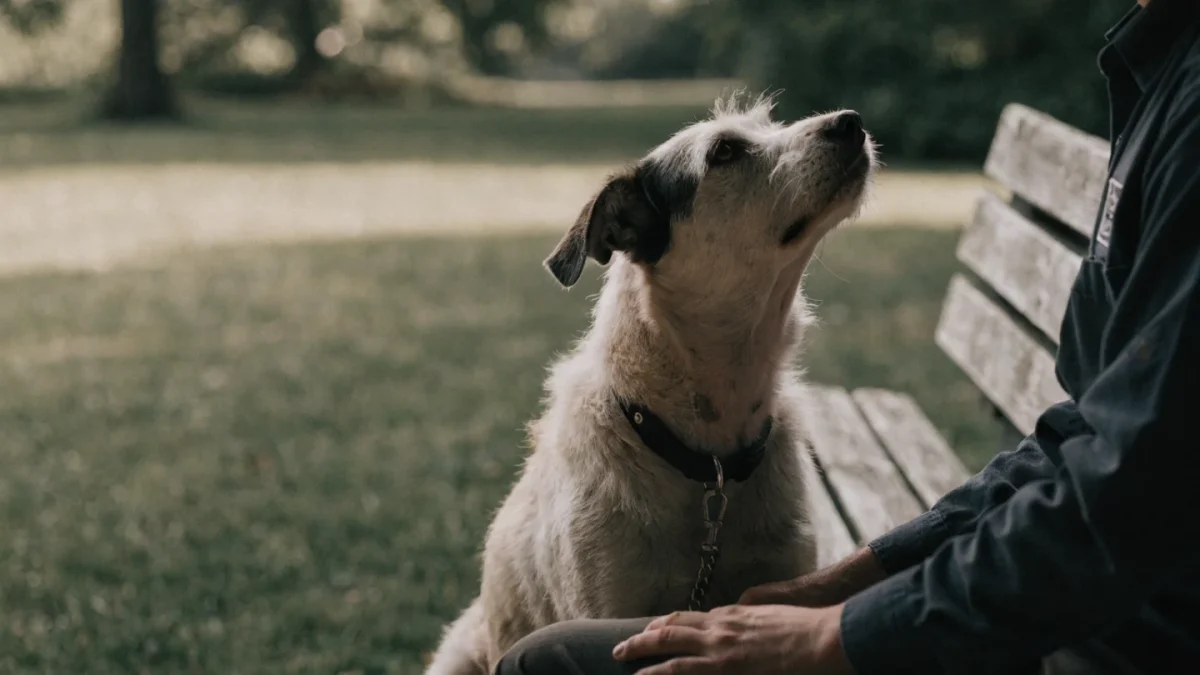
The rescue dog I remember most was a six-year-old hound mix who had never worn a collar in her life. Six years in a rural situation, running loose. First time on a leash, she froze completely and lay on the ground.
She was the sweetest dog imaginable — the problem was entirely the equipment, not the dog.
A year later, she walked beautifully. The path there required starting from absolute zero and having patience that some people don't realize adult dogs can benefit from.
The Challenge With Rescue Dogs
Unlike puppies — who can be shaped before habits form — rescue dogs arrive with whatever history they have. That history might be:
- No leash experience at all (the hound above)
- Bad leash habits from previous owners (chronic pulling that was never addressed)
- Fear-based leash associations (collar corrections, rough handling)
- An unknown mix of all of the above
The approach is the same regardless: go back to basics and build forward systematically. Don't assume anything, don't rush, and don't let the dog's age fool you into thinking they can't learn.
The Decompression Period First
A newly adopted rescue dog is often in stress for the first days to weeks. New environment, new people, new smells, new rules. Many behaviorists recommend a quiet settling-in period — sometimes called the 3-3-3 rule (3 days to decompress, 3 weeks to learn the routine, 3 months to feel at home). Treat the numbers as a rough guideline, not a schedule — I've seen dogs decompress in a couple of days and dogs that needed two months before they'd relax around new people. The stages are real; the timeline is individual.
Don't start intensive leash training while the dog is still actively acclimating. Wait until they're eating well, sleeping well, and showing some comfort and curiosity rather than fear.
Equipment Introduction
Collar/harness first, before you ever clip a leash. Feed meals with the equipment on. High-value treats when putting it on. Take it off before they've had enough of the good thing.
Rescue dogs with negative collar associations may need slower desensitization — showing the collar at a distance, pairing that with treats, gradually moving toward putting it on. Don't rush this.
Indoor Leash Practice
Before going outside, practice inside. Clip the leash on and let the dog drag it around your home while you supervise. Pick it up and follow the dog loosely — don't guide, just follow. Treat for any attention toward you while the leash is on.
This is where most owners skip ahead and it costs them. The outdoor world is overwhelming. Get the foundation right indoors first.
Short Outdoor Sessions
When you move outside, start in your immediate outdoor space — driveway, front step, building entrance — not the middle of a busy neighborhood. Keep sessions short: 5 minutes is enough at first.
Use high-value treats continuously. You want the dog to associate "outside with leash" with the best food experience of their day.
Expect more variance than with puppies. Some days a rescue dog will walk beautifully; the next day something in the environment tips them into shutdown. That's normal. Go back to earlier steps without making it a big deal.
The complete leash training guide covers the mechanics in detail, and training adult dogs from scratch gives you broader context for working with a dog who's starting over. (See also: how to leash train a puppy who has never worn.)
Rescue dogs can learn everything a puppy can. They just come with more history — and sometimes more to undo. The patience you put in during the first months pays off in a dog that walks well for the next decade.