

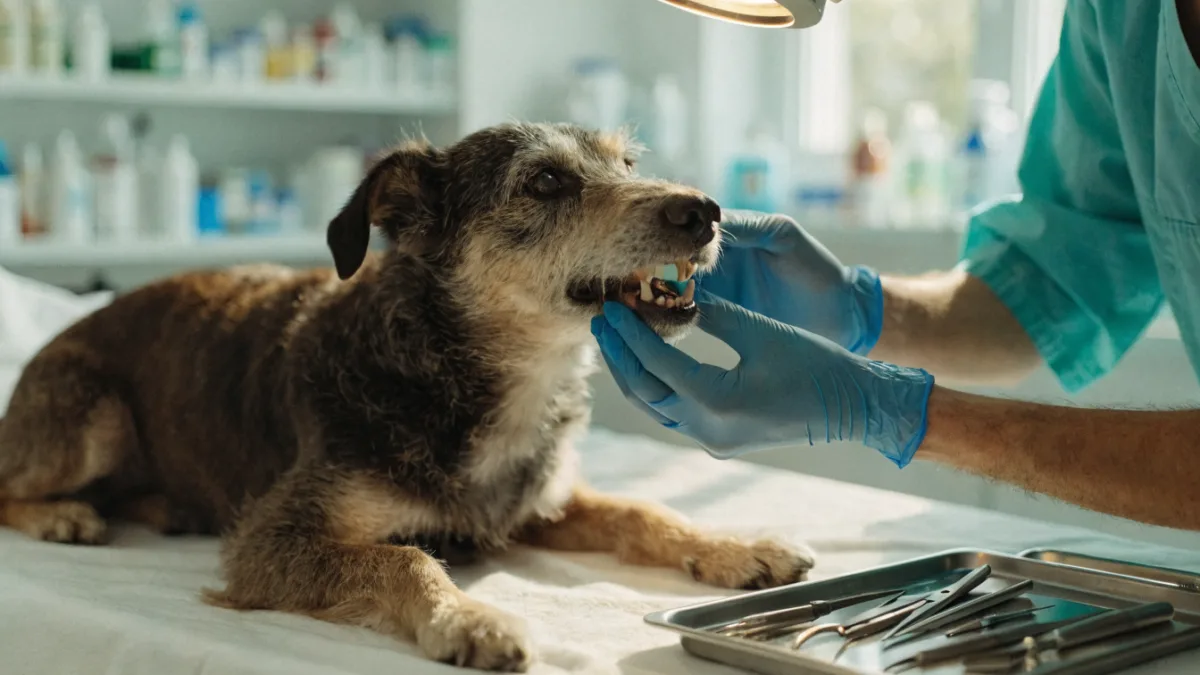
Whenever I tell an owner their pet needs a tooth pulled, I see the exact same expression cross their face. It’s a mix of sympathy and mild panic. We inherently understand that tooth extractions sound painful and intense, whether they involve a tiny incisor or a massive canine “fang.” But in my clinical practice, I’ve found that once you demystify the process, the anxiety melts away. Pets don’t experience the same emotional attachment to their teeth that we do—they just want the pain to stop. Let’s walk through exactly what happens when your dog or cat needs a dental extraction, why it’s often the kindest choice, and how to get your companion back to purring or tail-wagging in no time.
The Tell-Tale Signs: When a Tooth Has to Go
Our companion animals are incredibly stoic. In the wild, showing pain or weakness makes an animal vulnerable to predators, and despite thousands of years of domestication, our dogs and cats still carry that instinct. By the time a pet shows obvious signs of oral pain, the underlying issue is usually severe.
Take Buster, for instance. He’s an eight-year-old Beagle who came into my clinic last month. His owner noticed he had stopped eating his hard kibble and was dropping chunks of soft food on the floor. He had also started pawing at his mouth after meals. When I examined him, I found a severely infected, wobbly premolar. His owner felt terrible for waiting, but those subtle signs are incredibly easy to miss.
If you notice any of the following red flags, it’s time to schedule a dental evaluation:
- Persistent bad breath (halitosis). This isn’t just “doggy breath”—it’s the smell of bacterial infection and dying tissue.
- Visible tartar buildup, which looks like yellow or brown cement on the teeth, especially near the gum line.
- Red, swollen, or bleeding gums (gingivitis).
- Dropping food or chewing on only one side of the mouth.
- Unexplained pawing at the face or rubbing the mouth against furniture.
Some owners ask me if they can just brush the teeth more aggressively or use natural holistic gels to reverse the damage at this stage. I always appreciate a proactive approach to home care, but once a tooth is loose or the gums are receding to expose the roots,.[1] Plaque has already destroyed the structures holding the tooth in place, and no amount of brushing will rebuild jawbone.
The “Shark Teeth” Phase: Dealing with Baby Teeth
Sometimes, extractions aren’t about disease, but about development. Puppies have 28 deciduous (baby) teeth, while kittens have 26. Normally, these fall out on their own as the adult teeth erupt, a process that takes several months. The front incisors are typically the first to go.
However, sometimes things don’t go according to plan. I see this most often in small and toy breeds, like Yorkshire Terriers or Pomeranians. I recently treated a six-month-old Pomeranian named Pip. Her adult canine teeth had started to grow in, but her baby canines were stubbornly clinging to her gums. This condition is called retained deciduous teeth.
When this happens, the pet ends up with a “double row” of teeth. The problem isn’t just crowding. The adult tooth will grow in misaligned, directing plaque and food debris straight into the gum pocket, leading to early, severe decay. There is a common debate among pet owners about whether we should just let nature take its course and wait for these baby teeth to fall out naturally. I strongly advocate against waiting. If the baby teeth aren’t gone by the time the adult teeth are halfway in, surgical extraction is the safest route. We remove the baby teeth to clear the path for the adult teeth, ensuring a healthy, pain-free bite. You can read more about this specific procedure from.[2]
To Extract or to Root Canal? The Big Fang Debate
One of the most stressful conversations I have with owners occurs when a pet breaks a major “fang” tooth (the canine teeth). These are the large, pointed teeth at the front corners of the mouth. They have incredibly long roots—sometimes longer than the visible crown of the tooth itself!
Maya, a highly energetic two-year-old Belgian Malinois, recently fractured her upper canine tooth by aggressively biting down on a hard nylon bone. Her owner was devastated. When a tooth like this breaks and exposes the pulp (the living nerve inside the tooth), the pain is immense. You essentially have two options: extract the tooth entirely, or perform a root canal.
Many owners immediately lean toward extraction because it’s a one-and-done solution. However, extracting a canine tooth is major oral surgery. Because the root is so massive, we have to drill away a portion of the surrounding jawbone to lift the tooth out safely. This slightly alters the shape of the pet’s jaw and lip support. A root canal, performed by a specialized veterinary dentist, preserves the tooth and its structural role in the mouth, but it is significantly more expensive and requires specialized equipment.
I usually explain it like this: if a dog is a working dog (like a police or military dog), or a dog that does protection sports, preserving that tooth via root canal is highly recommended. But for the average companion animal, an extraction provides immediate, permanent pain relief. Once the gums heal over, they adapt perfectly well to life without their fang, eating and playing just as they did before.
What to Expect on Surgery Day
I completely understand the anxiety owners feel when handing their pet over for anesthesia. As with any surgical procedure, extractions come with risks, including bleeding, swelling, infection, and in rare cases, damage to surrounding tissues.
But modern veterinary medicine has made this process incredibly safe. Pet dental care is increasingly moving away from general practitioners doing their best with basic tools, toward specialized veterinary dentists who use advanced imaging. Taking dental X-rays before we even make an incision is now the gold standard. These images allow us to see exactly what is happening below the gum line, detect hidden root abscesses, and map out the nerve pathways, making the.[3]
We also utilize something called multimodal pain management. This is an area where I’ve truly seen the standard of care evolve over the years. Rather than relying on a single painkiller, we layer different types of medications. We use localized nerve blocks (just like you get at the human dentist) to numb the specific nerves around the tooth during surgery. Then, we use a combination of non-steroidal anti-inflammatories (NSAIDs) and other analgesics to keep the pet comfortable post-operatively.
The Road to Recovery: Caring for Your Pet Post-Extraction
The most surprising part of dental extractions for most owners? How fast their pets bounce back. While recovery time varies, most dogs and cats are acting completely normal by the very next day. In fact, they often feel better because we have just removed a source of chronic, throbbing pain they had been hiding.
That said, you will need to make some temporary lifestyle adjustments to allow the extraction sites to heal without irritation. Here is what the first week usually looks like:
Dietary Adjustments
Your pet’s gums will have sutures (dissolvable stitches) holding the tissue together where the tooth used to be. To protect this delicate tissue, you will need to provide soft food for a few days following the surgery. If your pet usually eats dry kibble, you can soak it in warm water or low-sodium broth until it’s mushy. If they eat canned food, you’re already ahead of the game.
Medication Management
While dogs typically require pain medication for 3 to 5 days following a tooth extraction procedure, always follow your specific clinic’s instructions. Never adjust, skip, or alter a dosage without consulting your veterinarian first. What works for a Labrador will not work for a Chihuahua, and human medications can be highly toxic to pets.
Activity and Home Care
No tennis balls, no hard chew toys, and definitely no tug-of-war for at least a week. Vigorous play can dislodge the blood clots forming in the sockets, leading to delayed healing or dry socket. Keep walks gentle and focus on sniffing rather than intense physical exertion. I always tell owners to look at the gums daily—they might look a bit red or swollen initially, but it should gradually fade to a healthy pink.
Final Thoughts
Watching your companion lose their teeth can feel daunting, but remember that in the veterinary world, dental disease is an active, painful infection. By agreeing to an extraction, you aren’t taking something away from your pet; you are giving them relief. Whether it’s a tiny baby tooth crowding a puppy’s mouth, or a fractured molar causing hidden agony in an older cat, addressing the problem head-on is one of the most profound acts of care you can provide. Your pet might have a slightly gappier smile, but they will be infinitely happier, healthier, and pain-free for it.
Sources
- tooth extractions become medically necessary — cornerstonevetclinic.com
- Harmony Animal Hospital's guide to deciduous extractions — harmonyanimalhospital.net
- entire extraction process much more precise — petmd.com