

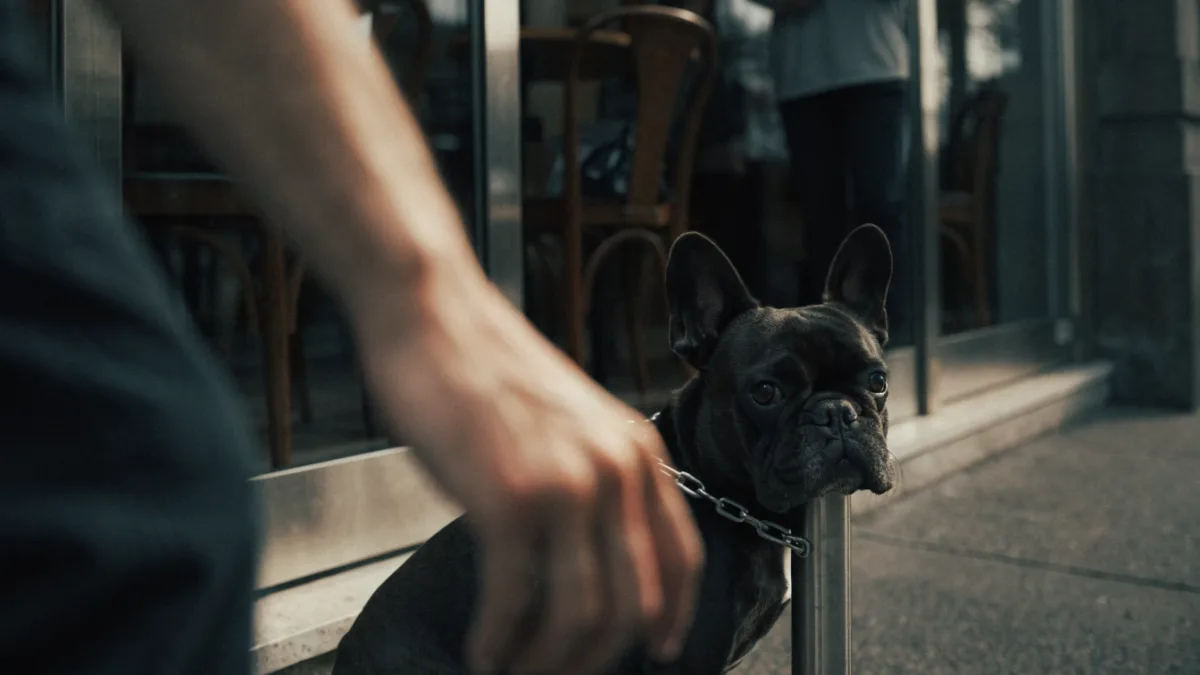
Picture a frantic owner named Mark arriving at a clinic last spring. He had tied his two-year-old French Bulldog, Buster, to a bench outside a local coffee shop while he ran in to grab a quick latte. He was gone for maybe ninety seconds. When he walked back out, the leash was sitting on the ground, clipped to the bench, and Buster was nowhere to be seen. Buster was eventually located safely because he was microchipped, but the sheer terror Mark experienced in those few hours is the kind of thing that changes how you think about pet safety forever. Dognapping and indoor catnapping are on the rise, turning pet theft into a highly lucrative criminal enterprise. Thieves specifically target purebred dogs and exotic cats because they can fetch thousands of dollars on the resale market. Keeping our pets safe requires a mix of common sense, modern technology, and a solid understanding of how these criminals operate.
Understanding the “Why” Behind Pet Theft
To protect your pet, it helps to think a bit like a thief. Pet flippers aren’t usually looking for a random mixed-breed companion; they are looking for high-value inventory. French Bulldogs, English Bulldogs, Poodles, and designer mixes are heavily targeted because of their high price tags. But it’s not just about the breed.
Thieves frequently target intact animals—meaning pets that have not been spayed or neutered. An unspayed female dog or cat is incredibly valuable to someone running an illegal breeding operation, often referred to as a puppy or kitten mill. They can use that stolen pet to churn out litter after litter of expensive puppies or kittens without paying a dime for the animal.
This brings up a massive point of frustration for those of us in the animal welfare and veterinary space. In many jurisdictions, the law still classifies pets as “property.” Stealing a dog is legally treated the same as stealing a bicycle or a lawn mower. Because the penalty is often just a minor misdemeanor, the risk is incredibly low for the thief, but the emotional toll on the family is devastating. That’s why advocacy groups are fiercely pushing new legislation to make pet theft a specific, higher-level felony offense.
High-Risk Scenarios You Might Not Think About
When we think of stolen pets, we usually picture a dog snatched from a dark alley. But the reality is often much more brazen, and it happens in broad daylight.
The Coffee Shop Tie-Up
Just like Mark and Buster, the most common scenario for dog theft is leaving them unattended outside a store. It takes only a few seconds for someone to unhook a leash or coax a dog into a waiting car. Never leave your dog tied up outside a business, and keep them securely leashed on walks. Wandering dogs are incredibly easy targets.
The Smash-and-Grab Vehicle Theft
I see it all the time: owners running into the grocery store and leaving the dog in the car with the windows cracked. Not only is this a dangerous heat risk, but a visible dog locked in a car is a prime target for a smash-and-grab theft. A thief only needs a heavy object to break the window, open the door, and drive off with your pet.
The Myth of the “Safe” Indoor Cat
I used to tell my indoor cat clients that they didn’t have much to worry about regarding theft. I’ve completely changed my mind on this. Indoor catnapping is a recognized threat, and it usually happens due to opportunistic moments. A delivery person leaves the front door propped open, or a ground-floor window is left unlatched. During home burglaries, thieves will often snatch exotic or high-value cats if they come across them. Another client of mine, Elena, had her purebred Bengal cat, Luna, slip out a broken porch screen. Luna wasn’t technically stolen, but she was easily snatched up by someone who found her wandering because she was a beautiful, rare-looking cat. Treat your indoor cat’s environment with the same vigilance you would a dog in your backyard.
Microchips, GPS, and the Digital Footprint
Identification is your absolute best defense if the worst happens. Traditional collars with ID tags are a great first step, and I highly recommend breakaway collars for cats to prevent strangulation hazards. But collars can be removed. Microchipping is permanent, and it cannot be easily altered or removed by a thief.
The recovery rate for microchipped pets is significantly higher than those without them. I’ve had scanners pick up chips that were inserted fifteen years ago. If your pet is microchipped, your job isn’t done—you must keep your registry information current. If you move or change your phone number, update the database the very same day. If you adopt a pet, confirm the chip is transferred to your name immediately.
Technology has also given us incredible new tools. The market for GPS-tracking smart collars has exploded recently. When looking for a tracker, find one that relies on cellular networks rather than just Bluetooth, and ensure it has a reliable battery life and waterproof casing for active dogs. Pair this tech with good old-fashioned home security. You can easily.[1] by utilizing smart locks, arming security systems when you leave, and installing motion-triggered surveillance cameras. Many modern cameras can even distinguish between a human and a pet moving in the yard.
The Social Media Balancing Act
We all love showing off our pets online—I’m as guilty of it as anyone. But there is a real debate right now about how much we should share. Pet flippers actively scroll through social media looking for targets. If you constantly post photos of your expensive purebred dog, detail your exact neighborhood, and mention your daily walking routine, you are painting a target on your pet’s back.
Be highly selective with what you share. It’s entirely fine to post a cute picture of your dog at the park, but avoid bragging about how much you paid for them. Turn off location tagging for your home address, and be cautious about posting real-time updates from your regular walking routes. Share the joy of your pet, but keep the logistical details private.
Securing Your Perimeter
Your backyard should be a safe haven, but it often serves as an easy access point for thieves. Take a walk around your yard’s perimeter. Look for loose boards in the fence, gaps underneath the gate, or low branches that someone could use to hoist a dog over. Ensure your gates have secure, locking mechanisms.
If you have an outdoor cat enclosure (often called a “catio”), make sure the structural wire is heavy-duty and secured with tamper-proof hardware. Opportunistic thieves look for easy wins; making your yard difficult to navigate is often enough to make them move on.
Community Vigilance and Final Thoughts
We rely heavily on community vigilance to keep all our companion animals safe. Always report suspicious vehicles lingering in your neighborhood, especially if someone is asking unusual questions about your pets or your neighbors’ dogs. Criminals will often “scope out” a neighborhood before they make a move. By working together and sharing information, we can [2] For more comprehensive tips, resources like [3] offer excellent checklists for everyday safety.
Ultimately, keeping our pets safe from theft is about balancing the joy of sharing our lives with them against the reality of the world we live in. By spaying and neutering our pets—which eliminates their value to illegal breeding operations—microchipping them, and staying vigilant in public and digital spaces, we drastically reduce their risk. Our pets rely on us completely for their safety and well-being. Taking a few extra moments to secure a leash, lock a door, or update a microchip registry isn’t just responsible ownership; it’s a profound act of love that keeps them exactly where they belong: at home with you.
Sources
- secure your home and pets — security.org
- prevent more cats and dogs from getting lost or stolen — facebook.com
- this guide on pet theft prevention — akcpetinsurance.com