

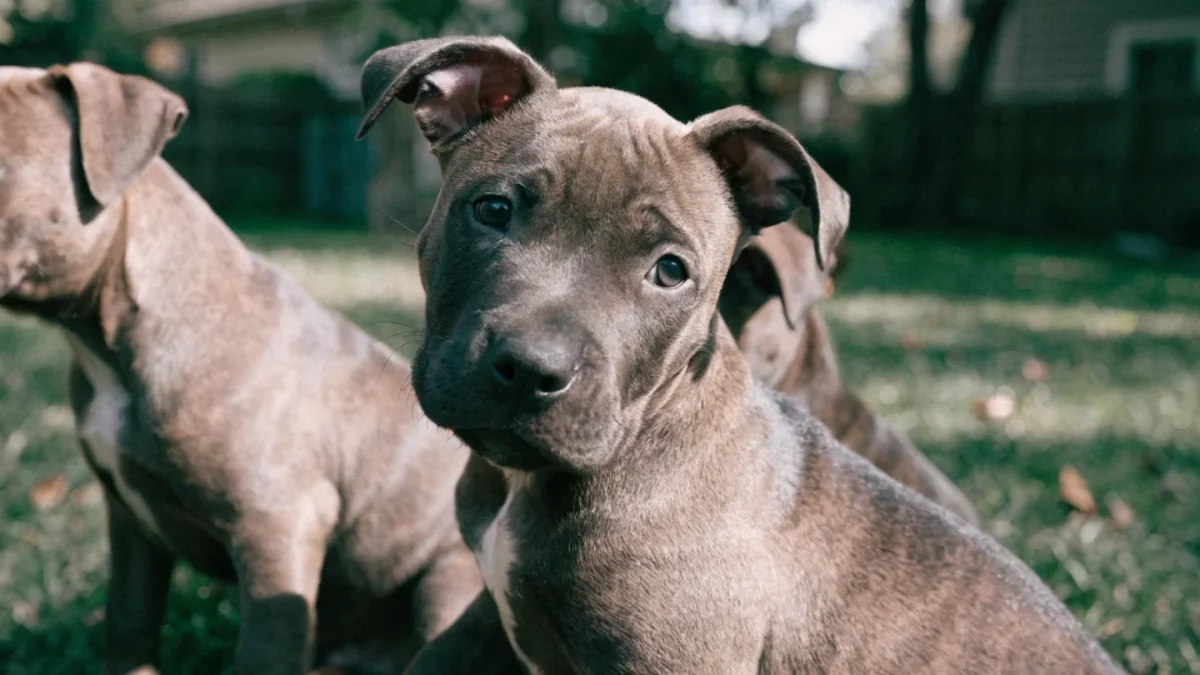
The American Pit Bull Terrier is one of the most commonly found breeds in shelters and rescues. It's also one of the most frequently bred by people who have no business producing puppies. That combination means the range of sourcing quality available to prospective owners is enormous — from carefully planned litters with documented health histories to backyard operations producing puppies with no screening, no socialization, and no accountability.
Your job as a buyer is to tell the difference. The pit bull terrier puppy buying guide below covers what to look for, what to avoid, and why adoption deserves equal consideration.
Health Testing That Matters
American Pit Bull Terriers are a generally robust breed, but they carry specific predispositions that responsible breeding programs screen for.
Hip evaluation. Hip dysplasia occurs in the breed at moderate rates. Both parents should have hip scores from a recognized evaluation program. Dogs should be at least two years old at the time of final evaluation.
Cardiac screening. Congenital heart conditions, including aortic stenosis, appear in the breed. A cardiac evaluation by a veterinary cardiologist provides baseline clearance. Ask to see the documentation.
Thyroid panel. Hypothyroidism is not uncommon in pit bull-type dogs. A baseline thyroid evaluation of breeding stock is standard practice in responsible programs.
Temperament assessment. This matters more in the APBT than in many breeds — not because the breed is inherently dangerous, but because the consequences of poor temperament in a powerful dog are significant. Responsible breeders evaluate the temperament of their breeding stock and select for stable, confident, human-social dogs. The dam's behavior when you visit is your best real-time indicator. Knowing the breed's normal behavioral range first — the APBT temperament covers this in detail — helps you read what you're observing.
Ask for all documentation. Accept no excuses for its absence.
Evaluating Puppies
At six to eight weeks, pit bull puppies should show confidence and social interest. You're looking for the puppy that:
- Approaches unfamiliar people with curiosity, not fear
- Recovers quickly from unexpected sounds or movements
- Plays with littermates without persistent escalation — normal puppy play includes wrestling, but one puppy that consistently refuses to disengage or that targets the same littermate warrants attention
- Engages with novel objects and surfaces rather than retreating
Avoid extremes. The puppy that charges everything without reading any social signals and the one that hides behind its siblings both present concerns. Moderate confidence with appropriate social awareness is the baseline you want.
A responsible breeder will match puppies to homes based on temperament, not buyer preference. The highest-drive puppy goes to the experienced sport or working home. The calmer, more handler-focused puppy may suit a family environment. Breeders who let you pick based on color or markings aren't making decisions in the dog's interest.
What to Observe at the Facility
Visit in person. Non-negotiable.
The mother should be present, healthy, sociable with visitors, and visibly well-cared-for. Her behavior is the strongest preview of adult temperament in her offspring. If the dam is anxious, fearful, or aggressive toward visitors, those tendencies have both genetic and developmental implications for the puppies.
Puppies should be raised in a home environment or one with regular human interaction, varied surfaces, and exposure to household sounds. Puppies raised in isolation — a garage, a chain-link pen with no enrichment — miss critical socialization during the period between three and fourteen weeks that shapes their behavioral foundation.
Red Flags
- No health testing. "My vet says they're healthy" is a wellness check, not a health screening program. Specific evaluations with formal documentation are the standard.
- Selling "rare" colors at premium prices. Color variations in pit bull-type dogs — blue, lilac, tri-color — are cosmetic. Breeding primarily for color typically means health and temperament have taken a back seat.
- Puppies available before eight weeks. Early separation deprives puppies of critical social learning from their dam and littermates. Eight weeks is the minimum. Some programs hold puppies to nine or ten weeks.
- No questions about your experience. A responsible breeder interrogates you about your living situation, your experience with the breed, your exercise plans, and your understanding of the legal landscape. A seller who hands over a puppy without asking anything is treating dogs as inventory.
- Multiple litters always available. Volume production is incompatible with the individualized attention that responsible breeding requires.
- No return clause. A breeder who doesn't require the dog to come back if you can't keep it at any point in its life doesn't care what happens to their dogs after the transaction.
Adoption Deserves Serious Consideration
Pit bull-type dogs are the most commonly surrendered and euthanized group in shelters. The complete breed guide addresses the breed's history and the factors that contribute to this reality. From a practical standpoint, it means there are exceptional dogs available through rescue at every age.
Adult pit bulls in rescue often come with known temperaments, some training history, and behavioral assessments that remove significant guesswork. You can meet the actual dog you'd be living with, rather than projecting an adult personality from a seven-week-old puppy.
Senior pit bulls — often overlooked entirely — can be outstanding companions for people who want the breed's loyalty and affection without the first two years of puppy intensity.
Whether you buy or adopt, the honest ownership assessment is worth completing before you start the search. Knowing whether the breed fits your life matters more than which specific dog you choose.