

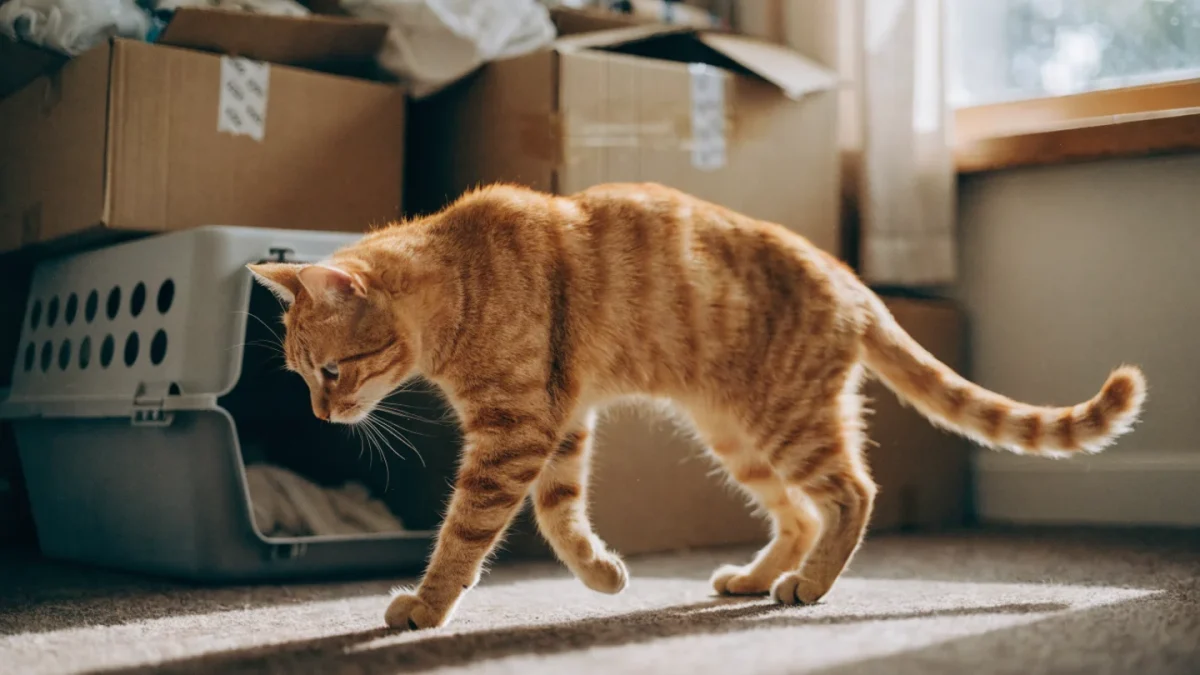
There's a specific kind of chaos that happens in the final week before a move. You stop functioning as a reasonable person and start functioning as someone who has too many tasks and not enough cardboard boxes. Pets are very sensitive to this, and if you don't build their prep into your timeline, it's easy to hit moving day having done nothing for them except accidentally scared them with the tape gun seventeen times.
Preparation helps — a lot. Not because it eliminates the stress of moving for your pet, but because a few specific things done in advance make the day itself significantly more manageable for everyone.
Here's what actually matters, organized by when to do it.
Three to Four Weeks Before
Update ID tags and microchip records
This is the most important thing on this list and the easiest to skip because it doesn't feel urgent. Do it first.
If your pet escapes during moving day — with doors open, strangers coming and going, and everyone distracted — you want your current phone number on their collar and updated in the microchip registry. Your old address does nothing for a lost pet. Your new one does very little either if you haven't moved yet. What actually matters is a working phone number.
Log in to the microchip registry your pet is enrolled in and update contact information. Put a new tag on their collar. Do it now, not the night before.
Get vet records together
Request copies of vaccination records, any relevant health history, and prescriptions. If you're moving to a new area and will need a new vet, you want records on hand from day one. If your pet is on regular medication, make sure you have enough supply to cover the move plus the time it'll take to find and register with a new vet.
Digital copies saved to your email are ideal — they survive box loss.
Start carrier conditioning
If your cat thinks the carrier only appears for vet visits, that association is deeply entrenched. You have a few weeks — use them.
Leave the carrier out with the door open. Put a blanket inside that smells like your pet or like you. Feed treats near it. If they go in voluntarily, even briefly, that's real progress. The goal isn't to make the carrier beloved; it's to make it not terrifying.
For dogs who don't travel well in crates, the same logic applies — practice some short rides in the weeks before if you can.
One to Two Weeks Before
Pack a pet essentials bag
This stays with you — not in the moving truck. For the full checklist, see our guide on packing a pet essentials box for moving day. At minimum it should include:
- Food and portable feeding/water bowls
- At least 24–48 hours' worth of any medications
- Leash, collar, and a spare ID tag
- A small bag for poop
- A familiar toy or blanket
- Cat: travel-sized litter box and litter
Do this early so you're not throwing it together at midnight before moving day.
Have a plan for where pets will be on moving day
This sounds like a logistical thing, but think of it as a safety thing. With the door propped open, people in and out, the general chaos of loading — the risk of escape is genuinely elevated.
Options:
- Board them for the day (or overnight if the move is complex)
- Have a friend or family member take them for the day
- Designate a room in your current home that gets emptied last, pets stay in with the door closed and a sign posted
Whatever you choose, commit to it before the day. Improvising a pet plan on moving morning is how pets end up loose on a street they've never been on.
For more on this, see our guide on keeping your pet safe on moving day.
Talk to your vet if anxiety is a real concern
Some pets — especially cats with fearful backgrounds, dogs with anxiety, animals who've experienced previous upheavals — need more than just good logistics. If your pet is genuinely anxious, talk to your vet about options before moving day. There are pheromone-based calming products, supplements, and in some cases short-term prescription options. The point is to have a plan, not to figure it out the morning of.
The Week Before
Maintain routine as much as possible
Feeding times, walks, play sessions — keep them consistent even as everything else becomes chaotic. Routine is the signal to your pet that the fundamentals are stable, even when the furniture is disappearing. Miso gets fed at 7am and 6pm. During our last move, I kept those times locked in even when I was eating granola bars over boxes and had no idea where my own plate was.
Start packing around pets, not after them
If you can, set up your pets' core items — their sleeping spot, food and water station — in a room that's not being packed yet. Let them have a stable zone in the chaos. Then pack that room last.
Gather the pet items to transport separately
Their beds, their toys, the litter box — these go in the car with you or are packed last so they're available immediately in the new home. Familiar-smelling items help in the new space. They're not useful if they're buried in the back of the truck.
On Moving Day
The morning of, confirm wherever pets are going. Don't let the chaos displace that conversation. If pets are staying home, get them situated in their room early — before the movers arrive, before the first box goes out. Closed door, sign posted, done.
See the full moving with pets guide for the complete picture of what to do once you arrive at the new home.
FAQ
How far in advance should I start preparing my pet for a move?
Realistically, a month is a good window for the major prep — updating records, starting carrier conditioning, building in vet consultations if needed. The week before is for logistics: packing the essentials bag, confirming where pets will be on moving day, keeping routine intact.
My cat hates the carrier. Is a month really enough time to change that?
It depends on how entrenched the association is. Significant improvement is possible in a few weeks if you're consistent — leaving the carrier out daily, tossing treats inside, feeding near it. Complete reversal of a deep aversion is harder in a short window. What you're aiming for is "tolerates without panicking" rather than "loves it." That's achievable.
Do I need to do anything special if I'm moving with a senior pet?
Older pets may find moves harder to adjust to — the behavioral flexibility that puppies and kittens have is reduced. The prep steps are the same, but with more emphasis on comfort, maintaining routine, and monitoring for signs of stress after the move. A vet conversation before moving day is particularly worth it for senior animals.
What should I tell my movers about my pets?
Be direct: here's where the pets are, please don't open that door/room, please let me know if you need access to anything in that room. Most professional movers are used to this. The sign on the door is for the times when you're not present to have the conversation in person.
My dog seems totally unbothered by the packing. Does that mean they'll be fine on moving day?
Probably yes — many dogs handle moves relatively smoothly, especially adaptable dogs. But moving day itself has different variables: strangers, open doors, elevated energy. Keep the day's plan for your dog in place (where they'll be, who's responsible for them) even if they seem relaxed during packing. Easy-going in preparation doesn't guarantee easy-going on the day.