

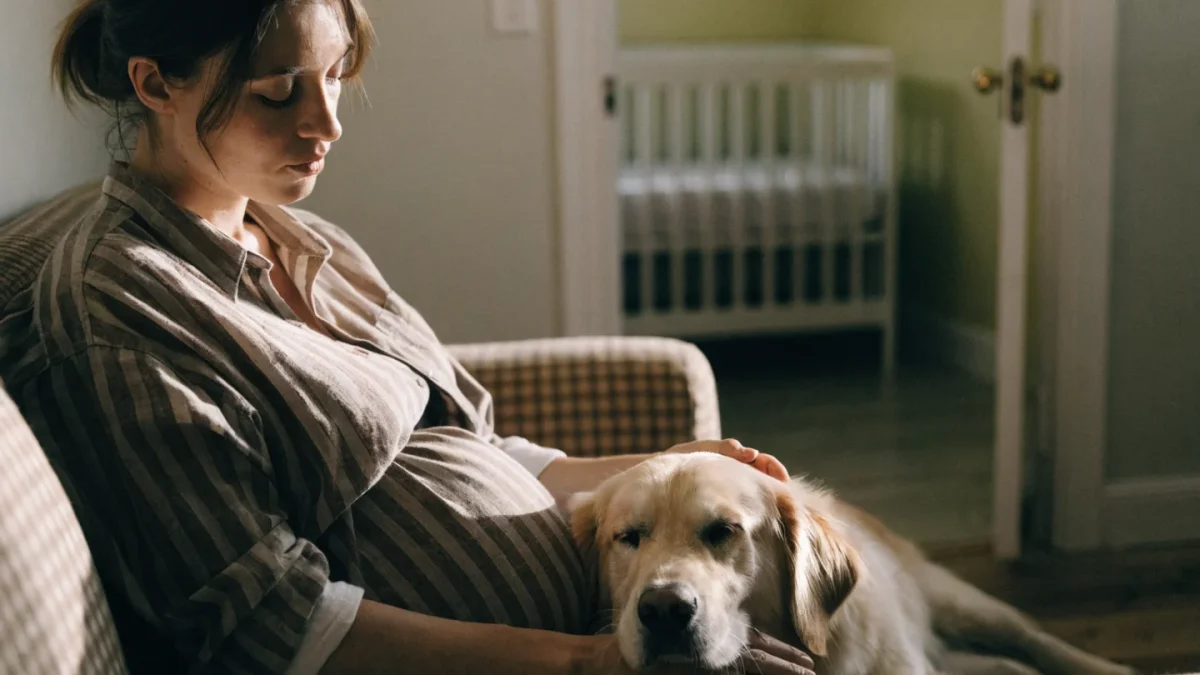
A friend of mine made the mistake of changing everything about her dog's routine the week the baby came home. New feeding schedule, restricted access to the living room, no more sleeping at the foot of the bed — all at once, all without warning. She thought she was being proactive. What she actually did was associate every disruption in her dog's life with the arrival of this loud, strange, tiny human.
The dog didn't take it well. Nothing dramatic — no aggression, no danger — but weeks of stress behaviors: pacing, whining, refusing to eat. It took a month to stabilize, and she told me later that most of the problems could have been avoided if she'd started the adjustments earlier.
That's the core of preparing a pet for a baby: make changes gradually, well in advance, so the baby isn't the thing your pet blames.
Start Two to Three Months Before
The most important thing you can do is begin changing your pet's routine before the baby arrives. The goal is to decouple those changes from the baby's presence.
Adjust the Schedule
If your dog gets a morning walk that won't be realistic with a newborn, start shifting it now. Change feeding times if they'll need to change. If your pet currently sleeps in the bedroom and won't after the baby arrives, transition them out gradually — move their bed a little farther from yours each week.
These changes are small individually, but stacked together and introduced all at once, they feel massive to a pet who relies on routine for security.
Change Access to Rooms
If the nursery will be off-limits, establish that boundary now. Install a baby gate or start closing the door. Let the pet get used to not having access to that space before it's associated with the baby.
If the pet currently has the run of the house and some areas will become restricted, introduce those restrictions over weeks, not overnight.
Reduce Attention Gradually
This one's hard, but it's practical: a new baby is going to consume most of your attention for a while. If your pet is used to a specific amount of interaction and suddenly gets a fraction of it, they'll feel the loss acutely.
Start slightly reducing the intensity of attention — shorter play sessions, less time on the couch together, more independent settling — so the transition feels gradual rather than abrupt.
Introduce Baby Sounds and Smells
Sounds: Play recordings of baby crying, babbling, and cooing at low volume while your pet is relaxed. Gradually increase the volume over days. The goal is desensitization — these sounds should become unremarkable before they become constant.
Smells: Baby lotions, powders, and laundry detergent have strong scents. Use them on yourself or on a blanket before the baby arrives so the smells are familiar. After the baby is born, if possible, bring home a blanket or piece of clothing with the baby's scent before bringing the baby home.
Equipment: Set up the crib, swing, bouncer, and stroller early. Let the pet investigate them. Some pets are startled by moving objects like swings — better to discover that now than with a baby inside.
Set Up Safe Zones
Every pet needs a retreat space — somewhere they can go that's quiet, comfortable, and completely theirs. A crate left open with a bed inside, a cat tree in a quiet room, a dog bed in a low-traffic area.
Make sure the pet is already using and comfortable with this space before the baby arrives. It should feel like a refuge, not an exile.
The Day You Come Home
The homecoming itself matters more than people realize.
For dogs: Have someone else take the baby inside first. Greet the dog yourself, calmly, without the baby in your arms. Let the initial excitement settle before introducing the baby. Keep the dog on a leash for the first meeting — not because anything bad will happen, but because control is reassuring for everyone. Let the dog sniff from a safe distance. Reward calm behavior. Don't force proximity.
For a detailed walkthrough, introducing your dog to the newborn step by step covers the process.
For cats: Most cats will investigate the baby on their own terms. Don't force an introduction. Make sure the cat's routine stays as normal as possible — same feeding times, same litter box access, same spots to sleep. Cats care less about the baby itself than about whether their world has been disrupted.
For concerns about cats and babies, separating cat-and-baby facts from myths addresses the most common worries.
The First Few Weeks
The early weeks are about maintaining normalcy where you can. Your pet's entire schedule just changed — there's less sleep in the house, more noise, different energy. What keeps them stable:
Consistent feeding times. Even if everything else is chaotic, meals that arrive when expected provide an anchor.
Maintained exercise. Dogs still need walks. This is harder with a newborn, but even shorter walks maintain routine and burn off the nervous energy that disrupted schedules create.
Positive associations. Give your pet treats and calm attention when the baby is present. You want them to associate the baby's presence with good things, not with being ignored or pushed away.
Never force it. Don't hold the baby near a reluctant pet. Don't scold the pet for being cautious. And never, under any circumstances, leave an infant and a pet unsupervised together. Not even for a moment. Not even with the most gentle pet you've ever known.
When to Worry
Some behavior changes are normal — slight withdrawal, curiosity, minor schedule disruptions. But watch for:
- Persistent changes in eating or elimination habits
- Aggression (growling, hissing, snapping) directed at or near the baby
- Excessive hiding or avoidance beyond the first week or two
- Compulsive behaviors (over-grooming, pacing, destructive behavior)
If any of these persist, consult your vet. Some pets develop anxiety that needs professional support, and addressing it early is always better than waiting.
For the bigger picture of raising kids with pets, that covers the full arc from infancy through adolescence.
FAQ
How early should I start preparing my pet for a baby?
Ideally, 2 to 3 months before the due date. This gives you time to make gradual changes to routine, establish new boundaries, and introduce baby-related stimuli without rushing.
Should I give my pet away if they don't adjust well?
Surrendering a pet should be a last resort, not a first response. Most pets adjust within a few weeks with patience and consistency. If behavioral issues persist or safety is a genuine concern, consult a veterinary behaviorist before making a permanent decision.
Will my cat try to sleep in the crib with the baby?
Cats are attracted to warm, soft surfaces, so it's possible. Keep the nursery door closed or use a crib tent or netting as a precaution. This is a practical safety measure, not evidence that your cat has bad intentions.