

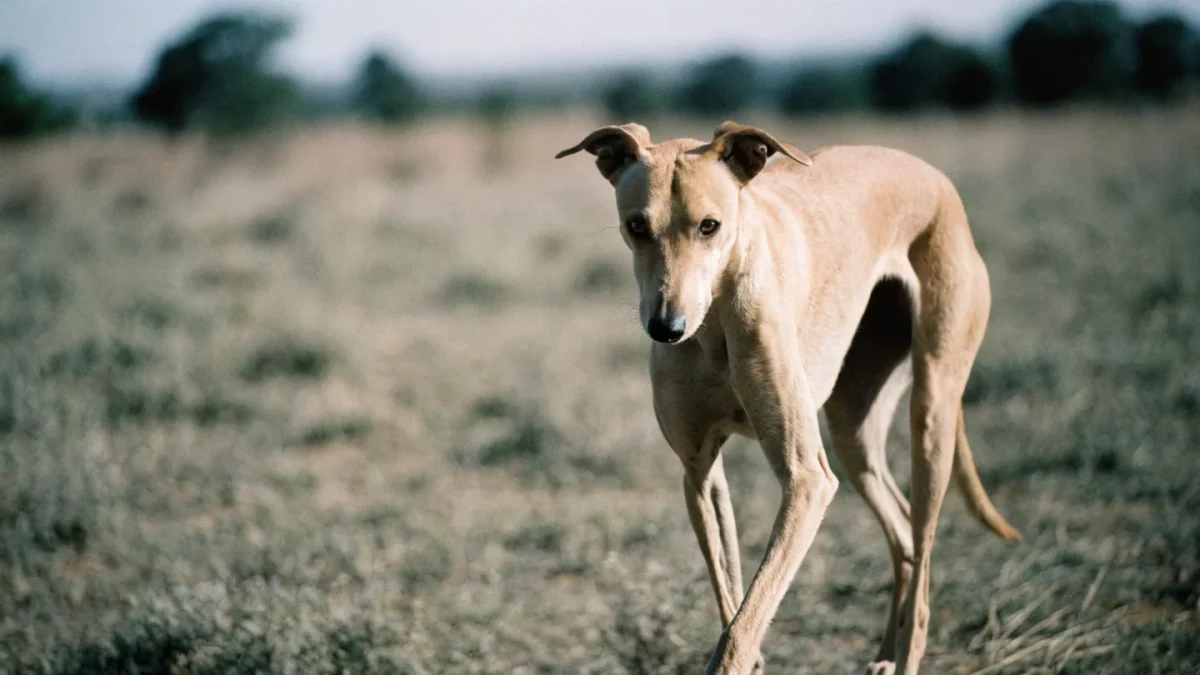
There are roughly 360 dog breeds recognized by at least one major kennel organization worldwide. Most people can name maybe 30. The breeds that dominate popularity lists — Labrador Retrievers, French Bulldogs, German Shepherds — represent a tiny fraction of canine diversity, while hundreds of remarkable breeds exist in near-anonymity, known mainly to enthusiasts and the communities that developed them. Some of these breeds have histories spanning millennia. Some face genuine extinction risk. All of them deserve to be known.
Otterhound
The Otterhound may be the most endangered dog breed in Britain. Nobody tracks the global population with real precision, but most estimates put it somewhere between 600 and 1,000 dogs worldwide — the UK Kennel Club lists it on its Vulnerable Native Breeds register, and fewer than 60 puppies get registered globally in a typical year. However you slice it, that's rarer than some species of wild cat. Developed in medieval England for hunting otters in rivers and streams, the Otterhound is a large scenthound (roughly 36-54 kg) with a rough, waterproof double coat, webbed feet, and an exceptional nose. When otter hunting was banned in 1978, the breed lost its primary function overnight. Without a working role or significant pet following, the population declined precipitously. Efforts to preserve the breed continue, but the gene pool is critically small.
Azawakh
The Azawakh is a West African sighthound originally bred by Tuareg and other nomadic peoples of the Sahel region. It's a strikingly elegant dog — tall, lean, with a short coat that comes in shades of fawn, red, blue, and brindle. Azawakhs are guardian sighthounds, unusual among sighthound breeds for their territorial and protective instincts. They bond intensely with their family and can be deeply suspicious of strangers. The breed was virtually unknown outside West Africa until the 1970s and remains rare in most countries. The AKC recognized the Azawakh in 2019.
Mudi
The Mudi is a Hungarian herding breed that has spent centuries overshadowed by its more famous cousins, the Puli and Komondor. A medium-sized dog (8-13 kg) with a wavy or curly coat and alert, intelligent expression, the Mudi is prized in Hungary as a versatile farm dog — capable herder, effective ratter, and alert watchdog. Its population has always been small, partly because Hungarian farmers historically didn't distinguish the Mudi from other herding breeds in formal terms. The FCI recognized the breed in 1966, and the AKC added it to its roster in 2022. Outside Hungary, Mudis are genuinely hard to find.
Thai Ridgeback
The Thai Ridgeback is an ancient breed from Thailand with a distinctive ridge of backward-growing hair along its back — a trait shared only with the Rhodesian Ridgeback and the Phu Quoc Ridgeback. Referenced in Thai writings for at least 350 years, these muscular, independent dogs were used for guarding, hunting, and snake killing. Outside Southeast Asia, the breed is scarce.
Xoloitzcuintli
The Xoloitzcuintli (show-low-eats-QUEENT-lee), commonly shortened to Xolo, is a Mexican breed with over 3,000 years of documented history. Aztec and Maya civilizations considered the breed sacred, believing it could guide souls through the underworld. The hairless variety (there's also a coated variety) has smooth, warm skin and comes in three sizes — toy, miniature, and standard. The Xolo nearly disappeared in the mid-twentieth century before Mexican breeders organized a rescue effort in the 1950s. Today the breed is Mexico's national dog and recognized by the AKC, but it remains uncommon in most countries.
Lagotto Romagnolo
The Lagotto Romagnolo is an Italian water retriever that became the world's only breed specifically developed for truffle hunting. It transitioned from waterfowl retrieval to truffle work when the Romagna marshes were drained in the 1800s. AKC-recognized since 2015 but still far less common than similar-looking breeds.
Norwegian Lundehund
The Norwegian Lundehund hunted puffins on steep northern Norwegian cliffs and evolved remarkable adaptations: six functional toes on each foot, a neck flexible enough to bend backward to the spine, and shoulders that extend to let it flatten completely. After puffin hunting was outlawed and a distemper outbreak hit, the breed nearly went extinct — recovery began from just six surviving dogs.
Why These Breeds Stay Rare
Rarity persists for overlapping reasons: geographic isolation (no export infrastructure), loss of original function (otter hunting, puffin hunting), small founding populations creating genetic bottlenecks, and lack of marketing compared to breeds with well-organized international breed clubs. For how all breeds fit into the classification system, the breed group overview provides the organizational framework.
Frequently Asked Questions
Can I actually find these rare breeds?
Yes, but expect a search. Start with the breed's national breed club (if one exists in your country), then expand internationally. Waitlists are common — sometimes measured in years. Some rare breeds have active rescue organizations despite small populations. Be prepared to travel for a puppy and to work with breeders who prioritize genetic diversity and health over convenience.
Are rare breeds healthier because of less overbreeding?
Not necessarily. Some rare breeds have better health profiles than popular breeds because they haven't been mass-produced by commercial breeders. But others face health challenges specifically because of small populations — limited genetic diversity can concentrate certain hereditary conditions. The Otterhound, for instance, faces the genetic bottleneck problem. Rarity itself is neither protective nor harmful; what matters is the breeding practices within the population.
Why do kennel clubs keep recognizing new breeds?
Kennel clubs don't create breeds — they recognize existing ones that meet specific criteria (documented pedigrees, breeding consistency, sufficient population, and an organized breed club). Recognition provides access to shows, trials, and a formal registry that helps track genetic health data. The AKC recognizes two to four new breeds most years, typically breeds that have been established for decades or centuries in their country of origin but are new to the AKC registry. Recognition doesn't change the breed; it acknowledges it within a formal framework.