

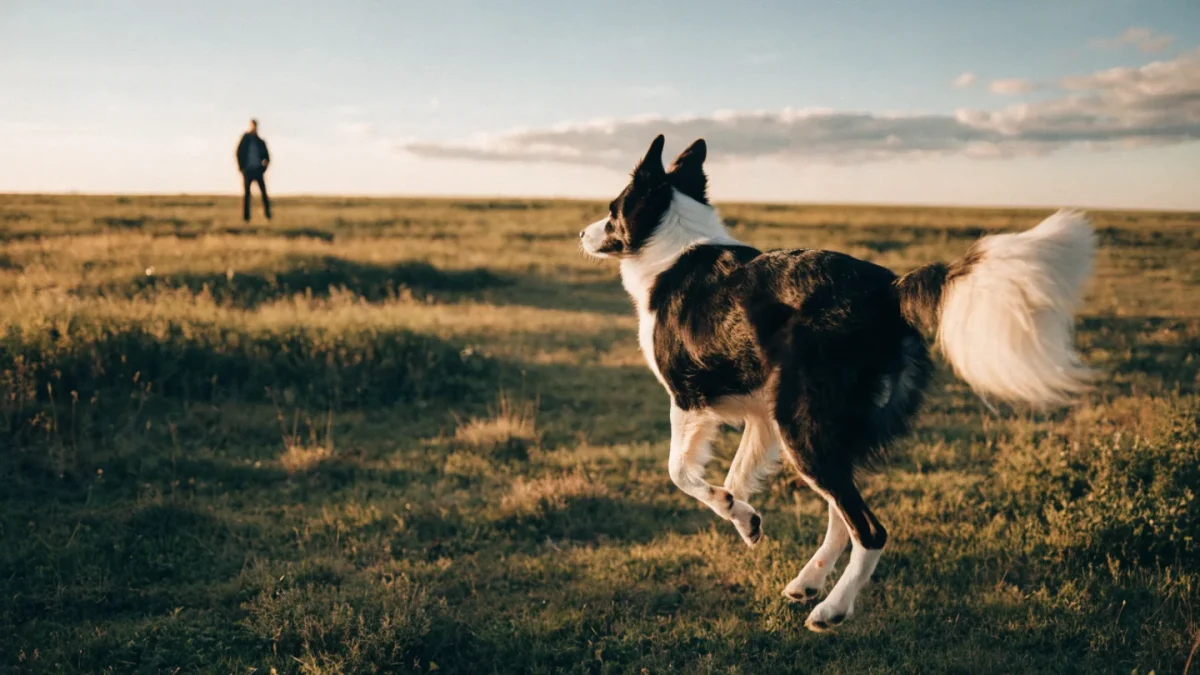
Off-leash freedom is one of the best things we can give dogs. The ability to run at full speed, change direction unpredictably, sniff everything, and just be a dog without the constant constraint of a leash — it's genuinely enriching.
It's also one of the things most owners rush toward before the dog is actually ready for it.
The Question Isn't Just "Does My Dog Have a Recall"
A dog can have a recall that works in the yard but fails completely in a park. A dog can recall from mild distractions but lose it entirely when a squirrel appears. These aren't details — they determine whether off-leash is safe.
The real question is: does your dog have a reliable recall and appropriate behavior in this specific environment with these specific distractions?
Factors That Support Off-Leash
Consistent recall under genuine distraction in similar environments. Not just in your yard where every square foot is familiar. In places with other dogs, people, wildlife smells, unexpected sounds.
No history of running and not coming back. A dog that has run away even once in a given environment type has demonstrated something you need to reckon with. What changed? Was it a one-time event or a pattern?
Good impulse control generally. A dog that blows off sit and stay regularly also blows off recall when something more interesting appears. The behaviors correlate.
Practiced on long line in this environment. Long line work in a specific location is the final step before removing the line. If you haven't done long-line recall practice there, you're skipping a step.
No aggression history. A dog with a history of fighting other dogs off-leash in a given environment type is not a good off-leash candidate there, regardless of recall quality.
Factors That Suggest Keeping the Leash On
- Breed with very high prey drive or scent instinct in natural areas
- Intact males in mixed-sex off-leash areas
- New environment not yet practiced
- Recall reliability under 8/10 in any recent session
- Dog has fled or run away in this type of environment before
- Reactive or aggressive toward other dogs or people
The Practical Framework
Use a long line as a stepping stone until you have confidence. Practice building a reliable recall systematically. Remove the long line only when the dog is consistently responding at 8-9/10 in that environment over multiple sessions.
Off-leash should be earned by the dog — not given because they seem fine and you'd like to give them freedom. (See also: off-leash dog parks.)
"Seems fine" is not the standard. Demonstrated, practiced reliability in a specific environment is the standard. Build to it, and off-leash time will be something you can both genuinely enjoy without the back-of-your-mind anxiety that comes from giving freedom before it's been earned.