

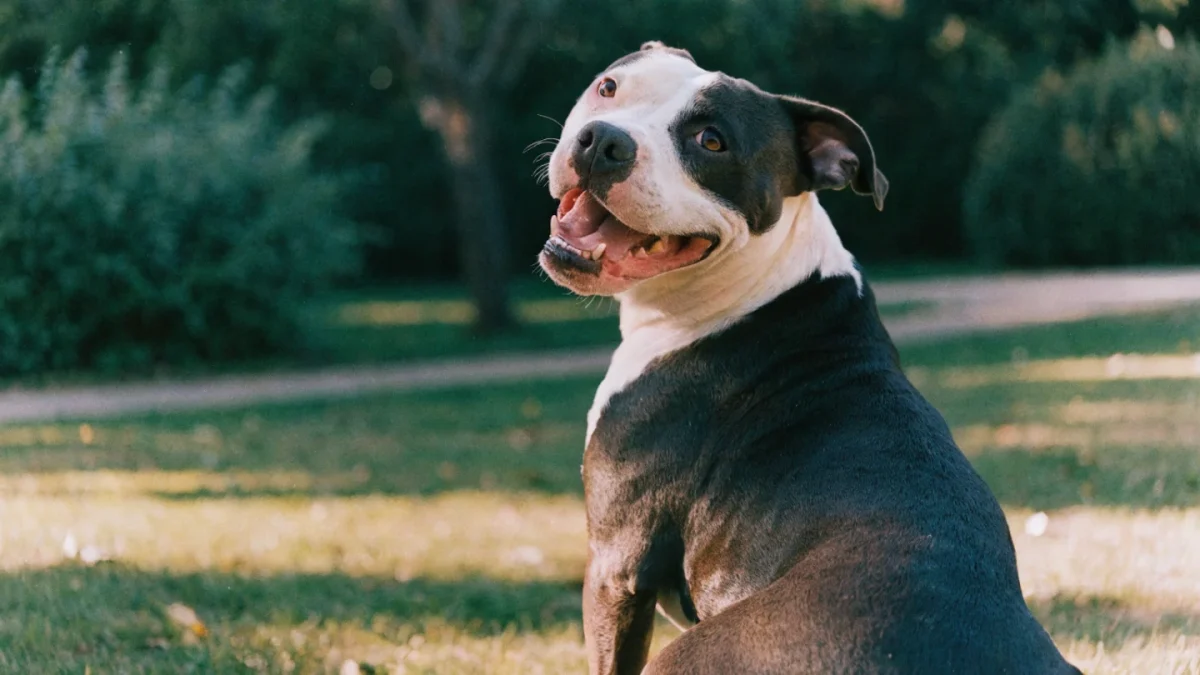
I want to be clear about something: "Pit Bull" isn't a breed. It's a term applied to several distinct breeds and many mixed-breed dogs based on physical appearance — blocky head, muscular build, short coat. The term is inconsistently applied — a study published in The Veterinary Journal (2015) found that shelter staff correctly identified dogs with pit bull heritage DNA only 33–75% of the time, while up to 48% of dogs without any relevant breed DNA were labeled as pit bull-type. The stereotypes attached to the label are frequently based on misidentification and media coverage of incidents that often involved dogs that were mis-socialized, abused, or chained.
What I can tell you about the dogs that typically fall under the bully breed umbrella — American Pit Bull Terriers, American Staffordshire Terriers, Staffordshire Bull Terriers, American Bullies, Bull Terriers — is that they're among the most people-focused, trainable dogs I've worked with.
They're also commonly misunderstood in ways that create real management problems.
What Bully Breeds Actually Are
People-focused: Most bully breed dogs love people intensely. They were developed as close-contact working dogs and fighting dogs that needed to stay focused on human handlers — dog aggression and human aggression were historically bred as separate traits, and dogs showing aggression toward handlers were typically culled from breeding programs. The ASPCA's position statement on pit bulls confirms that dog-directed and human-directed aggression are separate behavioral traits that operate independently of each other. The result is usually a dog with strong human focus and less reliability with other dogs.
High physical energy: Athletic, muscular, and built for sustained activity. Need significant daily exercise to be manageable.
Strong leash presence: These are powerful dogs with a lot of drive. Leash training matters early — a 60-pound bully breed that pulls on leash is genuinely difficult to manage.
Dog-selective behavior: Many individual bully-type dogs are selective about other dogs — they do well with some dogs and not with others. This isn't universal, but it's common enough that it's a planning point, not a surprise.
Pain tolerance: Historically, dogs bred for working and protection needed to work through discomfort. This means bully breeds can show less obvious pain signals, which matters for both training (corrections that bother other dogs may not register the same way) and health management.
Training Approach
Positive reinforcement works exceptionally well. These dogs are motivated, people-focused, and enthusiastic. If you have a dog that loves you and loves food or toys, training is genuinely enjoyable. The combination of physical capability and handler focus makes them natural candidates for advanced obedience, agility, rally, and weight pull.
Start leash training immediately. A bully breed puppy pulling slightly on leash becomes a serious management issue at 50+ pounds. Consistent loose-leash training from puppyhood is the highest-return investment you can make. Leash pressure and counter-pull are real concerns.
Early socialization and ongoing management with other dogs. Not every bully breed dog will be reliable with all dogs forever. Accept this, plan for it, and manage appropriately — on-leash around unfamiliar dogs, careful assessment before off-leash interactions. Dog-on-dog aggression management covers the protocols when issues arise.
Don't let size normalize pushy behavior. Jumping, mouthing, and leash pulling get tolerated in puppies of any breed and become significant problems at adult size. Establish expectations from day one.
Breed-Specific Legislation
BSL creates real practical challenges for bully breed owners regarding housing, travel, and public access. Be informed before acquiring these dogs.
The Stereotype Problem
The reputation these dogs carry is often the biggest management challenge their owners face. Other people's fear or hostility — based on appearance, not behavior — means that bully breed owners often have to work harder to demonstrate their dog's actual temperament.
The best response is a well-trained, well-socialized dog that demonstrates their actual personality. A bully breed with reliable manners, solid leash walking, and a calm social greeting does more to shift perceptions than any argument.
Dog-to-dog socialization is part of this — a dog that can pass another dog politely on leash is a dog whose owner can walk with confidence anywhere.