

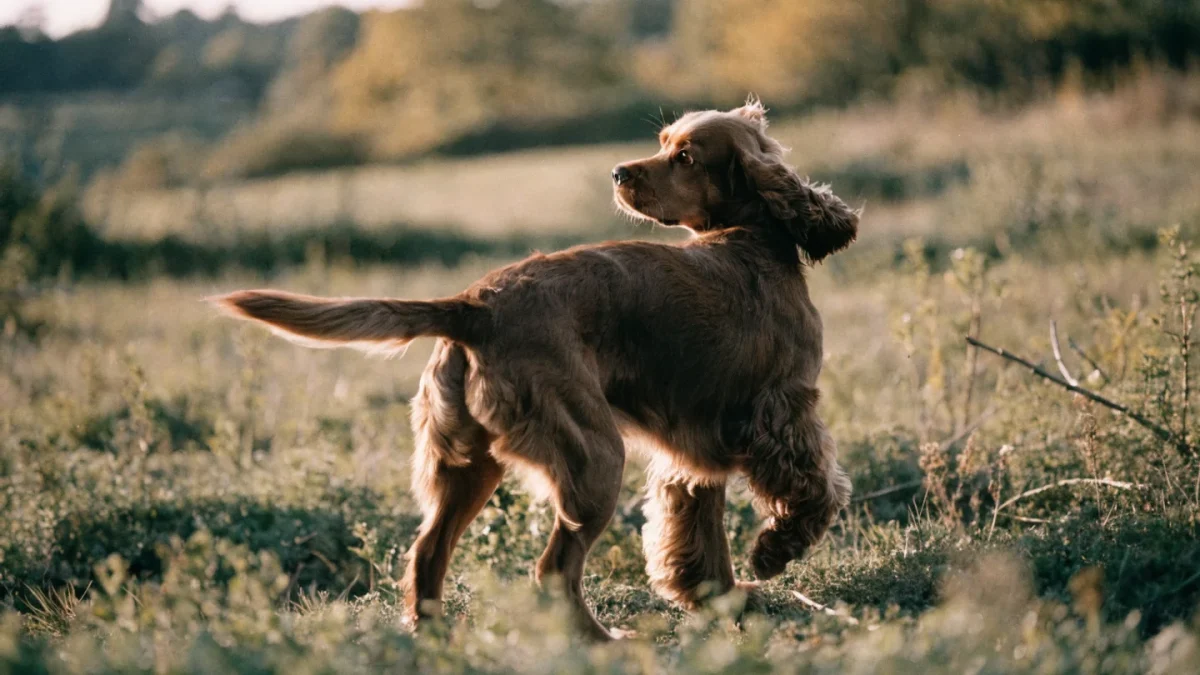
Sporting dogs are what you get when you breed for cooperation with humans over hundreds of generations of working in the field. The result is a group of dogs that are natural partners — tuned in to their handlers, eager to work, and genuinely designed to respond to cues.
English Setters, Irish Setters, Gordon Setters, English Springer Spaniels, Cocker Spaniels, Vizslas, Weimaraners, German Shorthaired Pointers, Brittany Spaniels, and their relatives are generally among the easiest dogs to train basic and intermediate skills with.
But "easiest to train" comes with a caveat: easiest doesn't mean low-maintenance, and their natural cooperative drive has specific vulnerabilities.
The Sporting Dog Character
Handler-focused: These dogs developed to work close to hunters, responding to whistle and hand signals in real-time. This produces a natural attentiveness to the handler that's a significant training advantage.
High energy and stamina: Bred to hunt for hours. Many sporting dogs need substantially more exercise than casual walks provide — an hour of real running, retrieving, or active work daily at minimum.
Environmental sensitivity: What makes them excellent hunters — sensitivity to scent, sound, and movement — also makes them easily distracted in training if a bird crosses the field or the wind carries interesting scent.
Soft temperament: Many sporting dogs are sensitive to harsh correction, tone of voice, and handler frustration. They're often described as "soft" — meaning they don't push back on correction but may shut down under pressure. Positive reinforcement methods suit them well.
Flushing vs. pointing vs. retrieving: The specific job within the sporting group varies. Spaniels flush and retrieve. Setters and Pointers find and mark game. Retrievers (covered separately) retrieve. These functional differences affect which natural drives are strongest.
Training Advantages
Sporting dogs offer three significant training advantages that other groups don't match:
Natural check-in behavior: Sporting dogs in the field regularly glance back at their handler for direction. This natural "check in" behavior is the foundation of recall, attention, and handler focus. You can reinforce this naturally occurring behavior from day one.
Food and toy drive: Most sporting dogs have strong food drive and many have strong toy/retrieve drive. This gives trainers multiple reward currencies to work with.
Social and cooperative: They genuinely want to work with you. They're not making a calculation about whether cooperation is worth it — cooperation is built into their behavioral architecture.
The Challenges
Environmental distraction: A German Shorthaired Pointer working on a sit-stay will maintain that stay beautifully at home and in a training facility. Put them in a field with a pheasant scent drifting past and you may have a different experience. Building reliable recall for these breeds requires specific proofing in field-like environments, not just around other dogs.
Exercise requirements: Sporting dogs that aren't getting adequate physical outlet are frustrating to train because their energy has nowhere to go. An hour of real running before a training session often produces a more focused dog than three training sessions without exercise.
Adolescent difficulty: Like retrievers, sporting dogs have a pronounced adolescent phase (6-18 months) where recall and attention reliability drop. Consistent training through this period is essential.
What Works Best
Nose work is a natural fit — these dogs have sophisticated scenting ability and find sniffing intrinsically rewarding. Nose work for sporting dogs satisfies the hunt drive in a controlled, rewarding way.
For active families: field sports, hunt tests, dock diving, agility, and flyball all use sporting dog drives productively.
For the recall challenge specifically: long-line training in field-like environments, with extremely high-value rewards for the recall response, and gradual building of distance and distraction over many months. Trust the process and don't rush the timeline.
The cooperation is already there. Your job is to build on it, protect it through consistent positive training, and channel the hunt drive into rewarding outlets.