

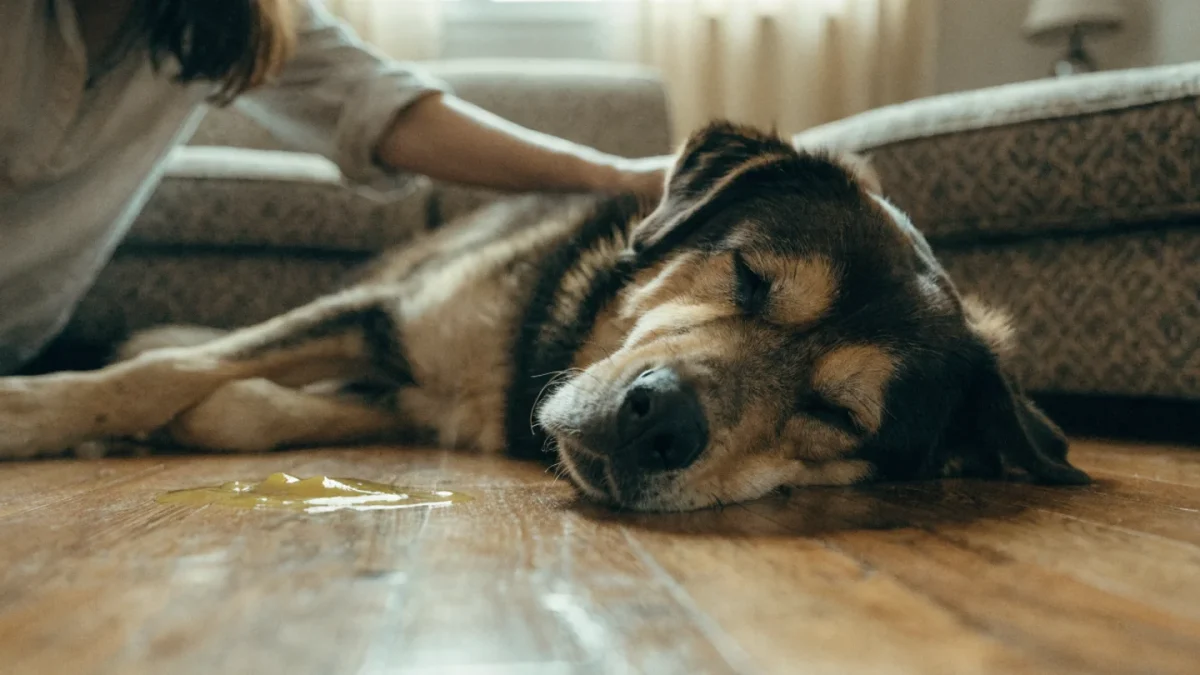
I remember a phone call from a panicking owner at 8 pm on a Saturday: her Labrador had vomited three times and had diarrhea. She was ready to drive to the emergency clinic. By the time I'd asked a few questions — dog's energy level? (fine, playing in the yard an hour ago), blood in the stool? (no), recent dietary change? (yes, her son had given him a large amount of leftover brisket) — we had a much clearer picture. Dietary indiscretion. A bland diet for 24 hours and a vet appointment if he wasn't better by morning.
She called the next day to say he was back to normal. But her instinct to take it seriously wasn't wrong — because the calls where someone waited 24 hours and shouldn't have are the ones that stay with you.
Here's how to make that call more confidently.
Step One: Is This an Emergency Right Now?
Before anything else, run through this checklist:
Go to the vet immediately if any of these apply:
- Blood in the vomit (red blood or dark material that looks like coffee grounds — the latter suggests digested blood from higher in the GI tract)
- Blood in the diarrhea (either red streaks or large volumes; small amounts of red blood in loose stool are less urgent but still warrant a call)
- The abdomen looks swollen, distended, or hard
- Your pet is in obvious pain — hunched posture, crying out, reluctant to move
- Retching without producing anything, especially in a large or deep-chested dog (possible bloat/GDV)
- Your pet has eaten something that might be toxic or a foreign object
- The pet is completely flat, unresponsive, or collapsed
- Your pet is a puppy or kitten (young animals dehydrate rapidly and can deteriorate quickly)
- Your pet has diabetes, Addison's disease, or another condition that makes GI illness higher risk
You can monitor for 24-48 hours if:
- Single episode or two in a day, and the pet is otherwise bright and engaged
- No blood, no pain, no distension
- The pet is a healthy adult
- You have a plausible explanation (ate something rich, changed food abruptly, stressed by travel)
"Monitoring" means actively watching — not just hoping for the best. More on that below.
Common Causes
Dietary Indiscretion
Dogs are the champions of eating things they shouldn't. Fatty table scraps, garbage, compost, dead wildlife, other pets' food — the GI system protests, and the result is typically vomiting and diarrhea within hours to a day. This is one of the most common presentations I see, and most cases resolve with supportive care. The main risk from dietary indiscretion isn't the GI upset itself — it's pancreatitis, which can develop after a high-fat meal. If the vomiting is severe and persistent after a fat-heavy meal, pancreatitis is on the differential.
Infections
Bacterial, viral, and parasitic infections are all common causes of acute GI illness. Parvovirus is the most serious in dogs — a life-threatening disease in unvaccinated puppies, with profuse bloody diarrhea and severe vomiting. Highly contagious. Any unvaccinated puppy with severe GI illness should be seen urgently.
Giardia and other intestinal parasites cause diarrhea that can be intermittent and persistent, often without other symptoms. A fecal test diagnoses these. Salmonella and Campylobacter can cause infection in pets (and be passed to humans) particularly from raw food diets.
Stress and Anxiety
Stress is a legitimate and underappreciated cause of GI upset in both dogs and cats. Moving house, adding a new pet, a new baby, changes in routine — these can all trigger vomiting and diarrhea, particularly in cats. Stress colitis is a recognized syndrome in dogs, typically causing large bowel diarrhea with mucus and urgency.
Food Sensitivity or Intolerance
Reactions to specific ingredients can cause chronic intermittent or persistent GI signs. Unlike acute dietary indiscretion, these tend to be recurring and often linked to a specific food the animal eats regularly. Food sensitivities and elimination diets covers the diagnosis and management process in detail.
Inflammatory Bowel Disease
IBD causes chronic GI symptoms — recurring vomiting, diarrhea, weight loss — that don't resolve with simple interventions. It requires biopsy for definitive diagnosis and long-term management.
Foreign Body or Obstruction
Vomiting that is persistent, frequent, and doesn't correspond with eating — especially in a dog that has access to toys, socks, or other small objects — raises concern for obstruction. GI obstruction as a cause of persistent vomiting is a surgical emergency that cannot wait. Cats who ingest linear foreign bodies (thread, string, ribbons) are at particular risk of intestinal perforation.
Organ Disease
Vomiting and nausea are symptoms of kidney disease, liver disease, Addison's disease, diabetes, and hyperthyroidism in cats — conditions that have nothing to do with the GI tract itself. When a pet presents with recurrent vomiting and no GI cause is found, bloodwork to screen for systemic disease is the next step.
Reading the Vomit and Stool
I know — not the most pleasant topic. But what comes out tells you a lot.
Vomit appearance:
- Undigested food soon after eating: possible esophageal problem, or eating too fast
- Partially digested food (chewed, mixed with bile): stomach content, typical acute gastritis
- Yellow or greenish fluid (bile): stomach has been empty a while; bile reflux
- Foamy white material: stomach air and secretions; often nausea without much stomach content
- Coffee-ground texture or dark material: digested blood — more serious
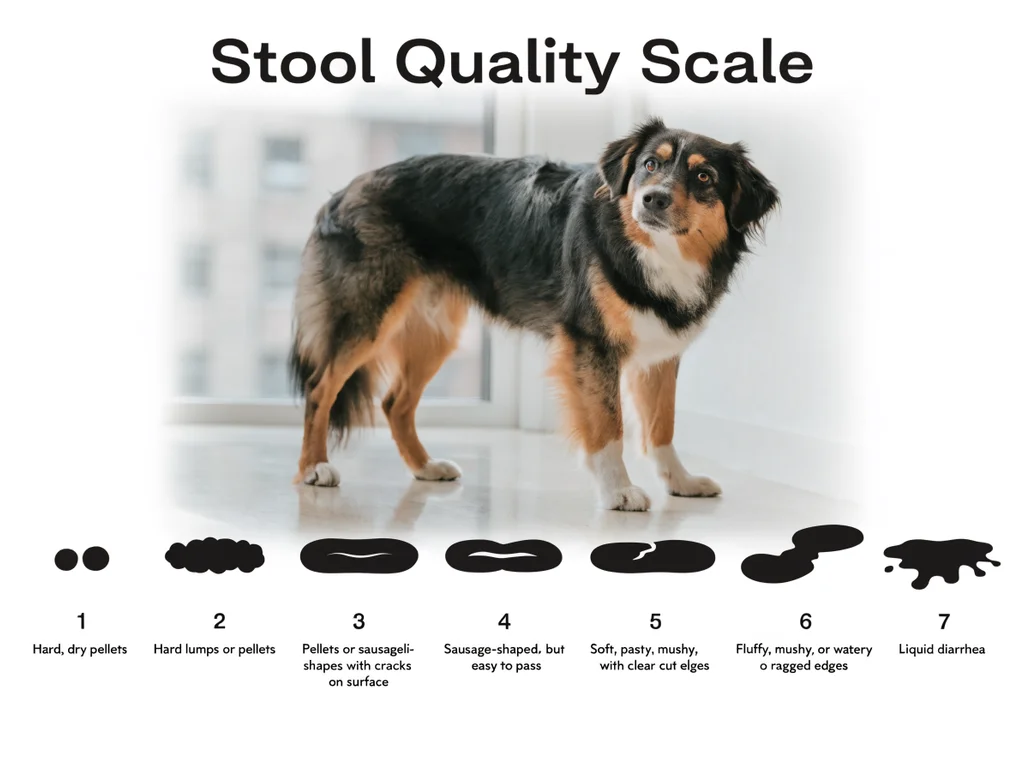
Stool assessment (yes, you need to look at the poop):
- Color: pale, gray, or yellow stools can indicate liver or pancreatic involvement; tarry black stools (melena) indicate upper GI bleeding — urgent
- Consistency: firm, soft, liquid
- Contents: visible parasites, foreign material, blood or mucus
- Frequency: once vs. constantly straining
For cats specifically, common causes of vomiting in cats specifically covers the particular patterns and causes that differ from dogs.
Home Care for Mild Cases
If you've decided monitoring is appropriate, here's what to do:
1. Withhold food for 4-6 hours (dogs) or 2-4 hours (cats). Give the stomach a rest. Don't withhold water unless the pet is vomiting it back up immediately — dehydration is the main risk and water is important.
2. Offer water in small amounts. Cats especially should have water available. If the pet is vomiting frequently, small amounts (a few tablespoons at a time) every 20-30 minutes rather than free-choice access.
3. Offer a bland diet. Boiled lean protein (chicken breast without skin, or plain white fish) and plain white rice or boiled potato in small portions. Gradually reintroduce normal food over 2-3 days if stools firm up. There are also commercially prepared gastrointestinal diets that are formulated for this purpose.
4. Monitor hydration. Check skin turgor: gently pinch the skin between the shoulder blades and release. In a well-hydrated pet, it snaps back instantly. Slow return suggests dehydration. Dry gums and sunken eyes are more serious signs. A dehydrated pet needs veterinary fluids.
5. Keep track of frequency and character. How many times is the pet vomiting or defecating? Is the stool or vomit changing in character? Is energy level staying stable? This information is valuable when you call or visit the vet.
What not to give: Human anti-nausea medications, anti-diarrheals (especially those containing loperamide — some dogs carry a genetic mutation that makes this drug toxic), or any medication without veterinary guidance.
When to Stop Monitoring and Call the Vet
Even if you started monitoring:
- No improvement after 24-48 hours
- Deterioration at any point
- Development of any of the emergency signs listed earlier
- You're seeing dehydration signs
- Your gut tells you something is wrong
The second one matters. I've had enough experience to know that experienced pet owners often know when something is "off" even when they can't articulate why. If you feel that something is wrong beyond a simple upset stomach, trust that instinct and call.
Frequently Asked Questions
Can I give my dog over-the-counter stomach medication?
Some are safer than others, and none should be given without checking with a vet first. Some human medications are toxic to pets, and even safe ones can mask symptoms that need evaluation. A quick call to your vet or a telehealth consultation is worth doing before reaching into the medicine cabinet.
My cat has been vomiting hairballs regularly. Is that normal?
Occasional hairballs in cats are common, but "regular" is relative. More than once a week, or vomiting that seems more liquid than a classic hairball, warrants a vet check. Cats who are vomiting frequently may have underlying GI disease, not just hair accumulation.
Is bloody diarrhea always an emergency?
A small streak of red blood in otherwise-formed stool in a pet that seems well is less urgent than large amounts of blood, black/tarry stool, or bloody diarrhea in a sick pet. That said, any blood in the stool in a puppy or kitten is urgent. In adults, a single streak in a sick pet that's otherwise fine can be watched for a few hours, but call your vet for guidance rather than self-managing.
My dog vomits in the early morning before breakfast. Is this a problem?
Early morning vomiting of bile or yellow fluid — sometimes called "bilious vomiting syndrome" — occurs when the stomach is empty and bile refluxes from the small intestine. It's often managed simply by giving a small late-night snack to keep something in the stomach. But recurrent vomiting of any kind deserves a vet conversation to rule out other causes.