

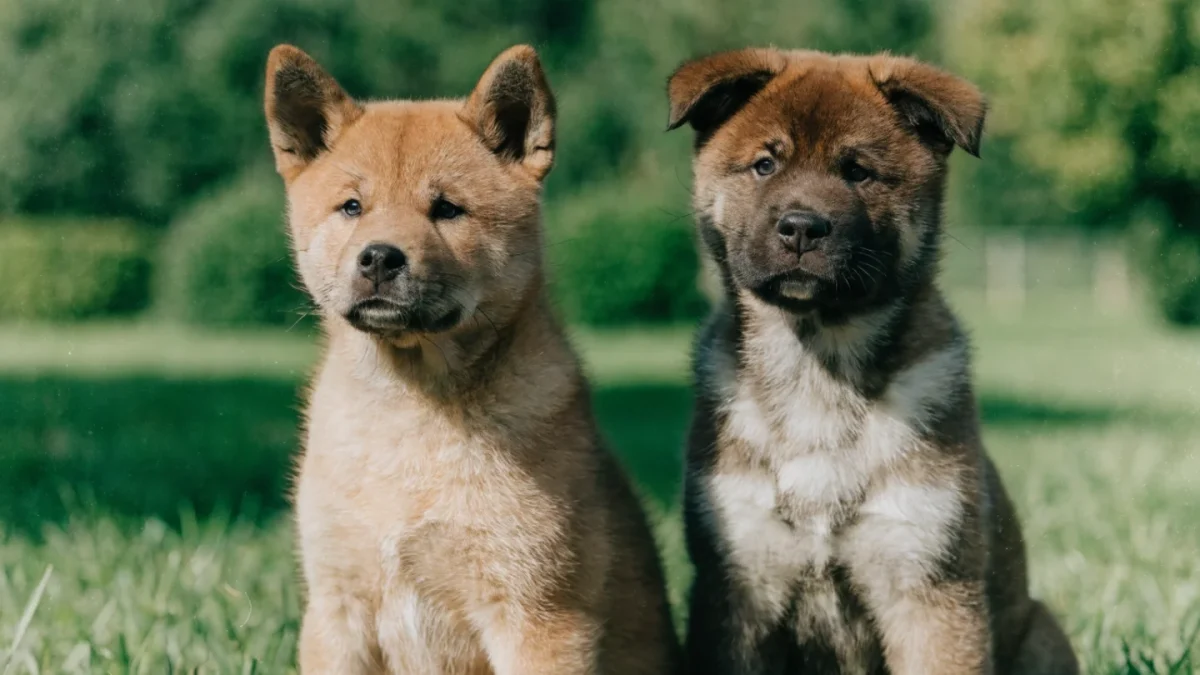
The decision to get an Akita puppy is actually two decisions. The first is whether an Akita fits your life at all — the honest ownership assessment addresses that directly. The second, assuming the answer is yes, is which type of Akita and from whom. That second decision has lifelong consequences for the dog's health, temperament, and the challenges you'll face over the next decade.
This akita puppy buying guide japanese vs american covers both the type question and the evaluation process. The breed's specific health predispositions — particularly the autoimmune conditions that cluster in certain lines — make breeder selection more critical here than in many other breeds.
Japanese Akita vs. American Akita: Choosing a Type
These two types share a common ancestor but have been bred along divergent lines for roughly 70 years. The differences matter.
Japanese Akita (Akita Inu). Lighter in build, more refined in facial structure with a fox-like head. Colors restricted to red, brindle, white, and sesame — always with urajiro (white markings on the cheeks, muzzle, chest, and underside). Weight typically ranges from 25 to 40 kg. Temperament tends toward the more reserved and aloof end of the Akita spectrum. Often described as more cat-like in demeanor — dignified, fastidious, and quietly observant.
American Akita. Heavier build, broader bear-like head, and virtually any coat color is accepted including pinto patterns, black masks, and solid colors. Weight typically ranges from 32 to 59 kg. Temperament tends to be bolder and more outwardly confident than the Japanese type, though still fundamentally independent and reserved compared to most Western breeds.
Neither type is healthier, more authentic, or better. They reflect different breeding philosophies applied over decades. Japanese breeders prioritized restoring the original Matagi mountain dog type. American breeders worked with the larger, heavier dogs that postwar servicemen brought home. Both carry the core Akita temperament — loyalty, independence, guarding instinct — but the expression differs. The genetics behind Japanese and American Akita divergence explains why coat color and autoimmune predisposition differ between the lines — worth reading before selecting a type.
Your choice should reflect your preferences for size, appearance, and temperament intensity. If you want a smaller, more refined dog with a particularly reserved bearing, the Japanese Akita may suit you. If you prefer a larger, more imposing dog with a somewhat bolder disposition, the American Akita is the likely fit.
Health Testing That Matters
The Akita's health profile demands specific pre-breeding screening. The complete breed guide details the health risks. Here's what responsible breeders test for and what you should require documentation of:
Hip evaluation. Both parents should have formal hip scores from a recognized evaluation program. Dogs under two years cannot receive a final evaluation, so parent dogs should be at least two when assessed. Hip dysplasia is one of the breed's most common orthopedic issues.
Thyroid testing. Autoimmune thyroiditis is prevalent in Akitas. Both parents should have current thyroid panels — ideally annual testing rather than a single evaluation. Thyroid function can change over time, and a normal result at age two doesn't guarantee normal function at age five.
Eye examination. Both parents should have current eye clearances from a veterinary ophthalmologist. Progressive retinal atrophy (PRA) is present in the breed, and DNA testing can identify carriers. Entropion — inward rolling of the eyelid — also occurs at elevated rates.
Autoimmune line history. This is the screening most specific to Akitas and the one most buyers don't know to ask about. VKH syndrome (Vogt-Koyanagi-Harada-like syndrome), pemphigus foliaceus, and sebaceous adenitis all cluster in certain bloodlines. A breeder who tracks autoimmune incidence across multiple generations is a breeder who takes the breed's most serious health challenge seriously. Ask directly: "Have any dogs in this line been diagnosed with VKH or other autoimmune conditions?" A transparent answer — even if the answer includes affected dogs — is more trustworthy than evasion.
Evaluating Puppies
At six to eight weeks, Akita puppies should show moderate, recoverable confidence. The breed is naturally more reserved than a Labrador or golden retriever puppy, so don't expect exuberant social enthusiasm. Look for:
- A puppy that approaches you after a brief assessment period — cautious curiosity is normal
- Recovery from unexpected sounds or movements within seconds
- Interest in novel objects and new stimuli without panic
- Calm, deliberate exploration rather than frantic hyperactivity or frozen withdrawal
With Akitas, the extreme ends of the behavioral spectrum both warrant concern. The puppy that charges fearlessly at everything may develop the kind of boldness that's difficult to manage in a 50 kg adult. The puppy that won't leave the back of the pen may carry a temperament baseline that makes socialization an uphill battle.
A responsible breeder will have strong opinions about which puppies belong in which homes. They'll evaluate your experience level, household composition, and lifestyle before recommending a match. If a breeder lets you choose solely based on color or sex without discussing temperament, reconsider the source.
Red Flags
These should stop the process immediately:
- No health testing documentation. "My vet says the parents are healthy" is not breed-specific health screening. Formal evaluation results or nothing.
- Cannot discuss autoimmune history. Either they don't track it — irresponsible for this breed — or they're hiding problems.
- Puppies available before eight weeks. Early separation from the litter deprives Akita puppies of crucial canine social learning during a period when the breed's hierarchical instincts are beginning to form.
- Multiple litters simultaneously available. Volume and quality are inversely related in breeding programs.
- No questions about your experience. A breed with the Akita's ownership demands requires screening at both ends of the transaction.
- Selling "rare" colors at premium prices. Color doesn't affect temperament, health, or breed quality. Breeders who market rare colors are prioritizing marketability over substance.
- No return clause in the contract. A responsible Akita breeder will require that the dog comes back to them if you can no longer keep it — at any point in the dog's life. This protects the breed from ending up in situations where its behavioral needs can't be met.
Adoption
Breed-specific rescue organizations regularly have Akitas available, including young adults and occasionally puppies. Adult Akitas in rescue come with known temperaments — you can see how the dog actually behaves with people, other animals, and in household settings, rather than guessing based on puppy behavior.
Senior Akitas, often overlooked, can be remarkable companions for experienced owners who want the breed's presence and loyalty without navigating the demanding puppyhood and adolescence. A seven-year-old Akita with a solid temperament offers years of partnership with the maturity already in place.
The caveat with rescue Akitas is that rehoming is genuinely difficult for this breed. The deep bonding and loyalty that define the Akita mean the dog grieves its previous family, and building trust with a new owner requires patience, consistency, and time. This isn't a reason to avoid rescue — it's a reality to prepare for.