

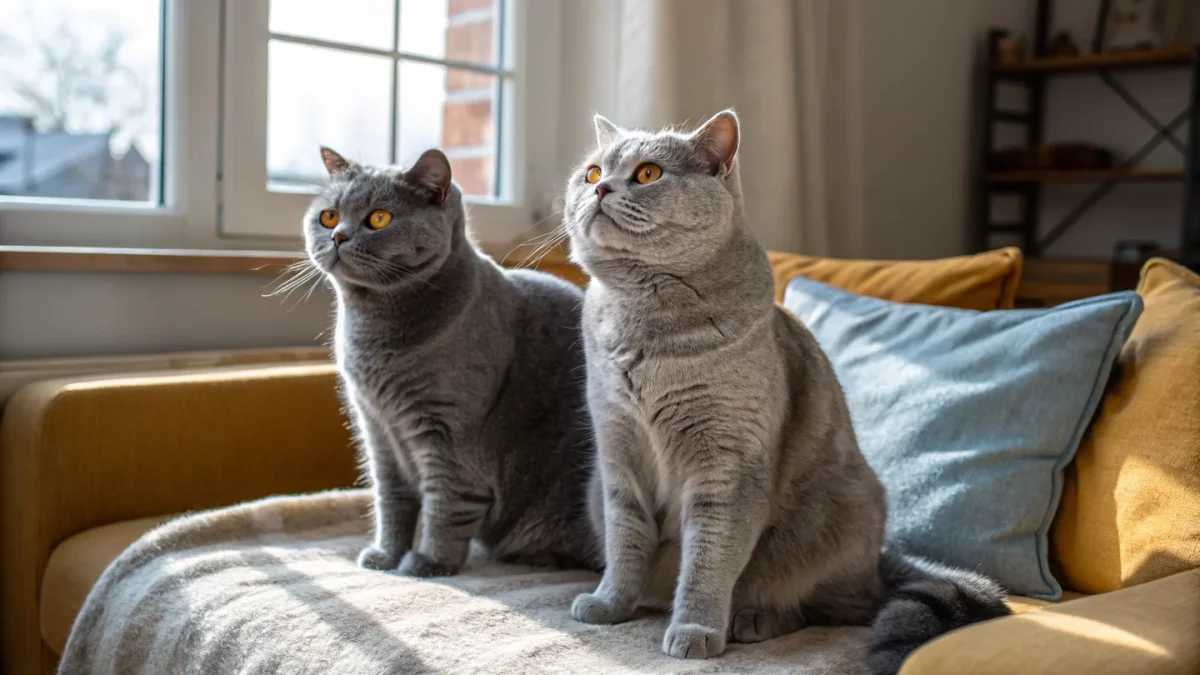
The idea that all cats are similar in their care demands is one of the more persistent misconceptions in pet ownership. Some cat breeds are genuinely demanding in ways that surprise experienced owners, let alone newcomers. The Siamese that needs constant company, the Bengal that dismantles the kitchen, the Persian with its daily grooming obligation — these are all excellent breeds, but they're excellent for specific owners who understand what they're taking on.
For a first cat, the goal is a match that's rewarding without being overwhelming — a breed with real personality and real companionship, but one that forgives beginner mistakes and doesn't punish lifestyle mismatches with destructive behavior or stress.
For the complete breed selection framework, how to choose the right cat breed covers all variables.
What First-Time Owners Actually Need
- Adaptability to variable schedules and slight inconsistencies
- Tolerance for learning-curve handling mistakes
- Manageable coat — no daily grooming obligation
- Personality that's warm without being overwhelmingly demanding
- Reasonable solitude tolerance for the inevitable workday
1. American Shorthair
The American Shorthair is something of a hidden gem in this context — the American Shorthair breed profile covers the breed's history as a working cat and what the adaptable temperament looks like day to day. Adaptable, healthy, playful but not manic, and with a coat that requires almost no maintenance. Their temperament was shaped by generations of working cats and domestic companion cats — they handle varied households with equanimity. They're not dramatically exciting, which is precisely the point.
2. British Shorthair
Calm, self-sufficient, low vocalization, manageable coat. British Shorthairs don't demand, don't overwhelm, and don't create drama. For a first-time owner who isn't sure what kind of relationship they want with a cat, the British Shorthair is a safe, rewarding, low-risk choice. They're affectionate on their own terms, which new owners often find respectful rather than cold.
3. Maine Coon
If you want more engagement — a playful, dog-like companion with real personality — the Maine Coon is an excellent first choice provided you understand the activity need and the grooming commitment (weekly brushing). They're forgiving and adaptable, good with other animals, and genuinely fun to live with. The size can be surprising at first.
4. Ragdoll
Patient, gentle, and exceptionally tolerant of handling. Ragdolls are particularly good for first-time owners with children, because the breed's unusual tolerance for physical interaction provides a margin for error that most breeds don't. The semi-long coat needs brushing two to three times weekly — a real commitment, but manageable for most people. The Ragdoll breed profile covers color varieties, adult weight ranges, and the HCM health screening that responsible breeders conduct.
5. Exotic Shorthair
The Persian personality (calm, quiet, gentle) in a short-coat package that doesn't require daily grooming. The flat face carries health implications (same as Persian), but for someone who loves the calm Persian temperament but doesn't want the grooming obligation, the Exotic Shorthair is a worthy consideration.
Breeds First-Time Owners Should Approach Carefully
- Bengal: High enrichment needs; destructive when bored
- Siamese: Vocal demands that surprise many new owners; needs consistent company
- Persian: Daily grooming essential; flat-face health management
- Cornish/Devon Rex: High social needs; poor solitude tolerance
- Sphynx: Weekly baths essential; temperature sensitivity requires heated environment
These are all wonderful breeds — but they reward experienced, prepared owners who specifically want their characteristics. For a first cat, the margin of error is smaller.
The Most Honest Recommendation
If you're genuinely uncertain and want something forgiving while you figure out what kind of cat relationship you enjoy, consider adopting an adult mixed-breed cat from a shelter after spending time with the individual animal. You can observe actual temperament directly. What you see is what you get. And the choice itself contributes something good — an adult shelter cat finds a home.
The breed list above is for people who specifically want a pedigree cat. Both paths are fine.