

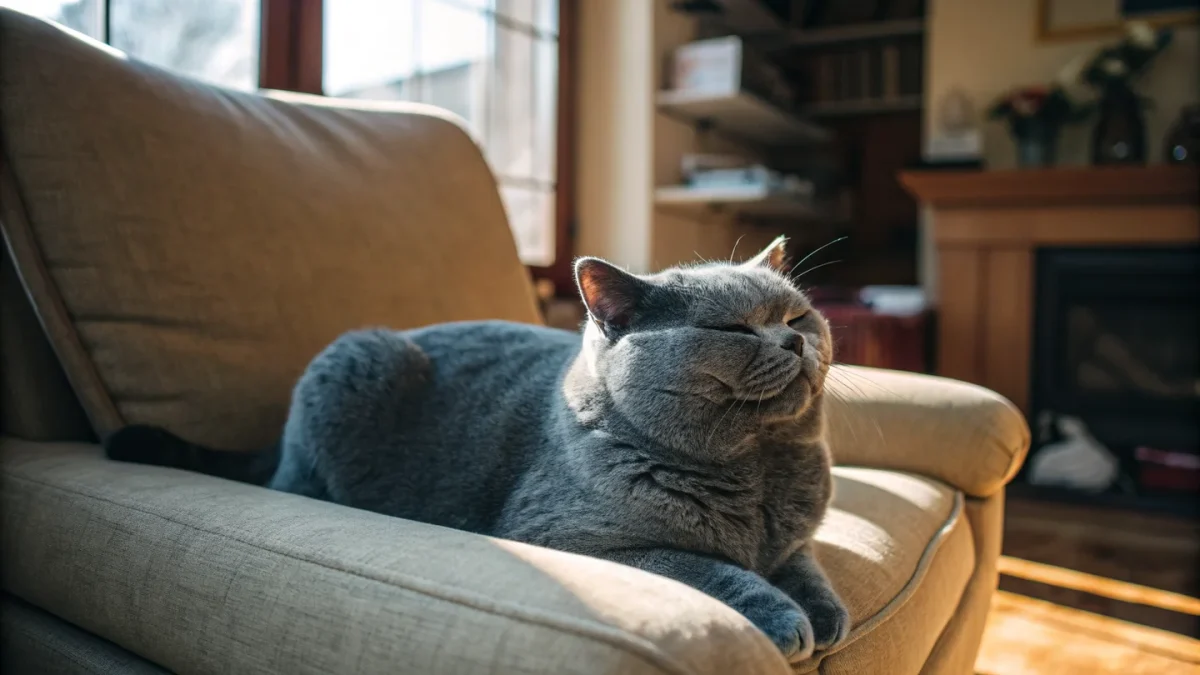
The relationship between older adults and cats is one of the more well-documented human-animal bonds. Cats provide companionship without the physical demands of dogs, routines that add structure to the day, and the particular warmth of a living creature that seeks your company without complexity.
For senior and retired owners, the matching considerations shift somewhat. Activity levels for vigorous daily play may be lower. Grooming obligations need to be realistic. A cat that's easy to carry to the vet matters. And an animal that genuinely relaxes in your company — rather than one that creates daily chaos — is worth more than a fascinating but exhausting personality.
For the full decision framework, the cat breed selection guide covers all the variables.
What Seniors Need From a Cat
- Low to moderate energy: Calm household compatibility; doesn't require running and jumping games to be content
- Manageable grooming: Realistic for one person without assistance
- Gentle temperament: Doesn't scratch or bite from overstimulation; tolerant of slower movements
- Warmth and presence: Actually seeks company rather than ignoring people
- Manageable for vet visits: Not excessively difficult to handle or transport
1. British Shorthair
One of the most consistently suitable breeds for older adults. Calm, low-energy, quiet, and self-sufficient — but warm enough to provide genuine companionship. They're happy to sit near you and accept petting on their own schedule. The grooming is manageable (weekly brushing). Their physical sturdiness makes them easy to handle and carry.
2. Ragdoll
The Ragdoll's exceptional tolerance for being held and handled is a specific advantage. For seniors who find physical interaction with their cat comforting, the Ragdoll's patience with being held, carried, and stroked is greater than almost any other breed. They're quiet, gentle, and people-oriented.
The semi-long coat needs brushing two to three times weekly — worth being honest about whether this is realistic over time.
3. Persian (with realistic grooming assessment)
Persians are calm, quiet, and provide gentle, decorative companionship in a settled home — the Persian breed profile covers the flat-face health considerations and what the daily grooming commitment entails in practice. They're excellent for seniors with established routines and time for grooming. The significant caveat is honest: the daily grooming commitment is real, and in situations where it becomes difficult to maintain — due to mobility changes or other circumstances — the cat's welfare suffers. Consider this carefully before committing.
4. Birman
The Birman is warm, gentle, and moderately interactive — not demanding, but genuinely companionable. They handle settled household environments well and provide affectionate company without the Ragdoll's extreme closeness-seeking or the Siamese's emotional intensity. The semi-long coat needs regular brushing. The Birman breed profile covers the breed's sacred cat history, the distinctive white "glove" markings, and what the moderate temperament looks like day to day.
5. Russian Blue
For seniors who prefer a quieter, more independent companionship — a cat that provides peaceful presence without requiring active engagement — the Russian Blue is excellent. They're loyal to their households, quiet, and content in calm environments.
Practical Considerations Beyond Breed
Age at adoption: Adopting a young kitten may be inadvisable for older adults, not because of the kitten per se, but because a cat adopted at 10 weeks may live 16-18 years. Planning for the cat's full lifetime — including who would care for the animal if circumstances change — is a genuine consideration.
Adopting an adult or senior cat from a rescue can be a particularly good match: the cat's personality is established, the kitten chaos is behind them, and adult cats are often overlooked in shelters.
Grooming over time: Physical changes over years can make grooming obligations that seem manageable now become difficult. Breeds with genuinely minimal grooming (British Shorthair, Russian Blue, American Shorthair) are more reliably sustainable.
Multi-cat considerations: One calm, settled cat that provides focused companionship is often better than two cats who entertain each other but are less oriented toward their person.