

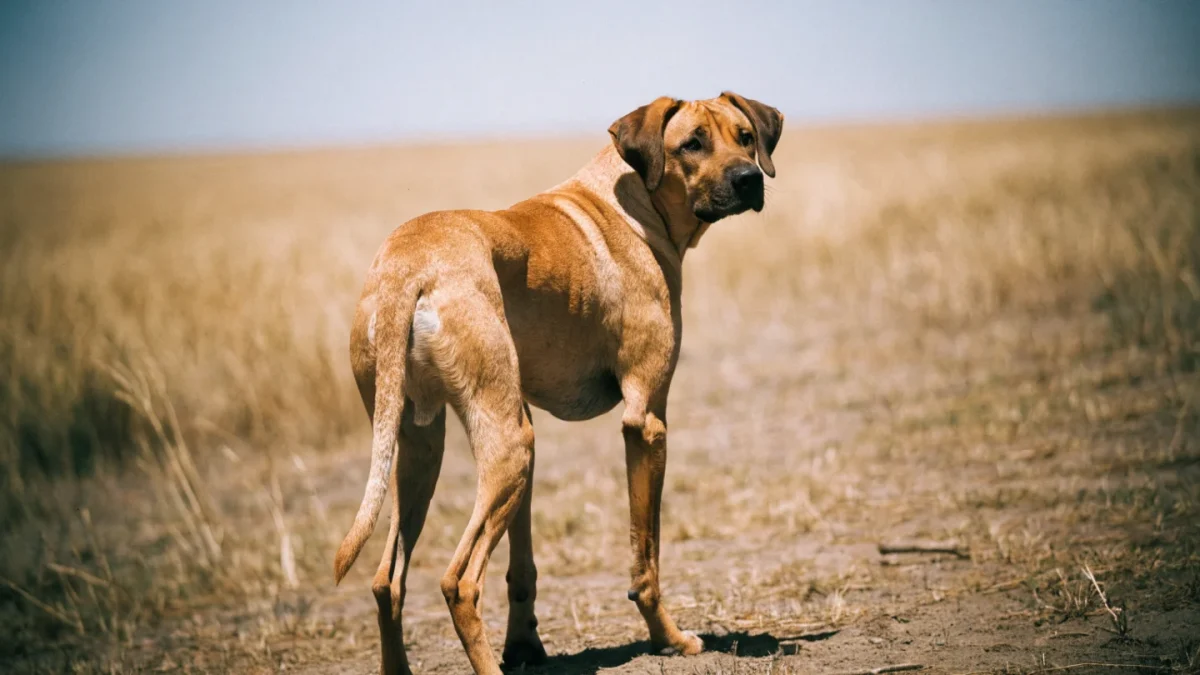
Dogs cool themselves primarily through panting — evaporating moisture from the tongue and respiratory tract — and secondarily through their paw pads. They don't sweat through their skin the way humans do. This means coat type, muzzle length, and body composition directly determine how well a breed handles heat. Short-coated dogs with lean builds and long muzzles dissipate heat most efficiently. Double-coated, brachycephalic, or heavy-bodied breeds do it worst.
If you live where summer temperatures regularly exceed 30 degrees Celsius, breed selection becomes a health and safety consideration, not just a preference. Here are six breeds whose biology is built for warmth. For the broader picture of how to factor climate into breed selection, climate should be a primary filter in your decision.
1. Vizsla
The Hungarian Vizsla was developed on the sun-baked plains of Hungary's central lowlands. Their short, single-layer coat provides almost no insulation — which is a liability in cold but an advantage in heat. At 20 to 29 kg with a lean, athletic build, they dissipate body heat efficiently.
Why they handle heat: The Vizsla's thin single coat allows rapid heat release through the skin. Their lean musculature generates less metabolic heat during exercise than heavier-built breeds. They can maintain activity in warm conditions that would sideline double-coated breeds.
The tradeoff: Vizslas need significant daily exercise (60 to 90 minutes) regardless of climate. Walks and runs should be timed for cooler parts of the day. They're also intensely social and develop anxiety when separated from their people.
2. Rhodesian Ridgeback
Developed in southern Africa, the ridgeback was bred to work in temperatures that routinely exceed 35 degrees Celsius. At 32 to 41 kg, they're a large breed that handles heat remarkably well for their size, thanks to a short, dense coat and efficient physiology. For the full breed profile, see the Rhodesian Ridgeback complete breed guide.
Why they handle heat: The ridgeback's origin in hot, arid conditions produced a breed with superior thermoregulation for its size. Their short coat releases heat quickly, and their lean, muscular build is metabolically efficient. They naturally conserve energy in extreme heat, reducing activity during the hottest hours.
The tradeoff: Ridgebacks are independent and need consistent training. They require substantial exercise (60+ minutes) and have strong prey drive. Their size means they still need shade and water access — no breed is immune to heatstroke.
3. Australian Cattle Dog
Developed in 19th-century Australia by crossing dingoes with British herding dogs, the Australian cattle dog (also called blue or red heeler) is adapted to harsh, hot conditions. At 15 to 22 kg, they're compact, tough, and weather-resistant.
Why they handle heat: The cattle dog's short double coat is designed for Australian conditions — protective against sun without trapping excessive heat. Their compact build and moderate size contribute to efficient thermoregulation. They were bred to work cattle in extreme heat across vast distances.
The tradeoff: Australian cattle dogs are extremely high-energy and need 60 to 90 minutes of vigorous daily exercise. They're nippy — herding by biting at heels is literally what they were bred to do. They can be reserved or suspicious with strangers and require experienced handling.
4. Dalmatian
The Dalmatian's origin is debated, but their historical role as a coach dog — running alongside horse-drawn carriages for miles in varied conditions — produced a breed with exceptional endurance and heat tolerance. At 24 to 32 kg with a sleek, short coat, they're built for sustained activity in warm weather.
Why they handle heat: Dalmatians have a thin, close-fitting single coat and a lean build that releases body heat efficiently. Their endurance background means they maintain performance in warm conditions better than most medium-large breeds. They were bred to run in the sun.
The tradeoff: Dalmatians have a unique urinary system that predisposes them to urinary stones — they excrete uric acid rather than allantoin, which is unusual among dog breeds. They need regular hydration monitoring, especially in hot weather. They're high-energy (60+ minutes daily), can be stubborn, and shed more than their short coat suggests.
5. Basenji
The basenji is one of the oldest known dog breeds, originating in Central Africa's Congo Basin where temperatures and humidity are consistently high. At just 10 to 12 kg, they're a compact, elegant breed with a very short, fine coat and distinctive trait — they don't bark.
Why they handle heat: Basenjis have the thinnest coat of any breed on this list, allowing maximum heat dissipation. Their light, lean build and small size minimize metabolic heat production. They're naturally adapted to tropical conditions and maintain comfort in temperatures that would stress most breeds.
The tradeoff: Basenjis are among the most independent and challenging breeds to train. They don't bark but produce a distinctive yodel (called a "barroo"). They have strong prey drive, are expert escape artists, and their cat-like personality means they often refuse to cooperate. Not a breed for owners who want compliance.
6. Pharaoh Hound
One of the oldest domesticated dog breeds, the Pharaoh hound was developed in Malta (despite its Egyptian-sounding name) for rabbit hunting across rocky, sun-exposed terrain. At 20 to 25 kg with a short, glossy coat and lean build, they're elegantly adapted to heat.
Why they handle heat: The Pharaoh hound's extremely short, close coat and lean physique are optimized for heat dissipation. Their large ears provide additional surface area for cooling. They're comfortable working in hot conditions and don't overheat as quickly as heavier-built breeds.
The tradeoff: Pharaoh hounds are sensitive and somewhat reserved. They have strong prey drive and limited off-leash reliability. They're not as widely available as other breeds, which can make responsible sourcing more challenging. They need daily exercise (40 to 60 minutes) and mental stimulation.
Hot Climate Safety for All Breeds
Even heat-adapted breeds need management: never exercise during peak heat hours (typically 11 a.m. to 4 p.m.); always provide shade and fresh water; test pavement with your hand before walking (if it's too hot for your palm for five seconds, it's too hot for paw pads); watch for heat exhaustion signs — excessive panting, drooling, lethargy, stumbling, or bright red gums; and never leave any dog in a parked vehicle, even for minutes. For the opposite climate challenge, see cold-climate breeds.