

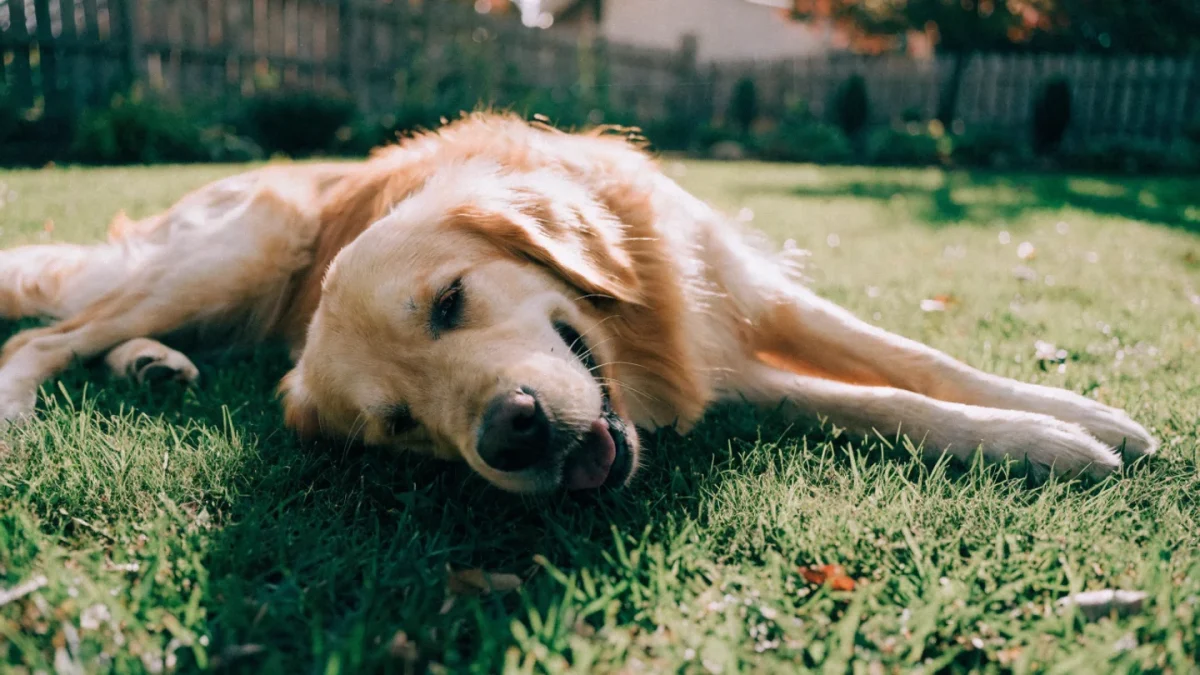
Large dogs in family settings get a bad reputation from people who confuse size with danger. In reality, many large breeds are calmer, more patient, and less reactive than their smaller counterparts. A 40 kg dog that's been bumped, climbed on, and startled by children without flinching is safer than a 5 kg dog that snaps when a toddler moves too quickly. Size creates stability — physical and temperamental — when the breed is right.
The practical requirements scale with size: more food, larger vehicle, higher veterinary costs, and the physical ability to handle the dog. But for families with the space and budget, a large breed often makes a better family companion than people expect. See the complete breed selection framework for the bigger picture.
1. Golden Retriever
At 25 to 34 kg, goldens sit at the upper-medium to large range and deliver the temperament profile that makes large-dog family living work: patience, biddability, and a frustration tolerance that handles children's unpredictability without stress reactions.
Why they fit families: Goldens calibrate their behavior to the person they're with. With small children, they're notably gentler. They're responsive to training, eager to participate in family activities, and their social nature means they integrate into busy household dynamics naturally.
The tradeoff: High cancer rates, heavy shedding, and an extended puppyhood that's more challenging than many families anticipate. Expect two to three years before adult composure sets in.
2. Labrador Retriever
Labs (25 to 36 kg) are the most popular family dog for a reason that goes beyond trend — they combine durability, trainability, and an almost indestructible good nature that handles the chaos of family life.
Why they fit families: Labs have a high pain threshold, strong bite inhibition, and recover quickly from startling or discomfort. They match children's energy level and maintain patience through repetitive play. They're responsive to household rules and socialize easily with visitors.
The tradeoff: Young Labs are exceptionally energetic and mouthy. They need 60 to 90 minutes of daily exercise, they eat anything, and their tail at full wag can clear a coffee table. The first two years require committed management.
3. Bernese Mountain Dog
At 36 to 50 kg, the Berner is a true gentle giant — calm, affectionate, and anchored in a way that creates stability in family environments. Their Swiss Alps heritage as farm dogs means they're comfortable with activity and noise without being reactive.
Why they fit families: Bernese mountain dogs position themselves in the center of family activity and stay there contentedly. They're patient with children, tolerant of handling, and their moderate energy level (30 to 60 minutes of exercise daily) suits families that don't need a marathon-running companion.
The tradeoff: A 7-to-8-year average lifespan means families will likely lose this dog while children are still young. Cancer rates are high. They drool, shed heavily, and struggle in warm climates. These are real considerations for families making a long-term commitment.
4. Newfoundland
The Newfoundland (45 to 70 kg) has been called "nature's babysitter," and while that label oversimplifies, there's truth to it. These dogs have a documented history of water rescue and child supervision that reflects a genuinely protective, patient temperament.
Why they fit families: Newfoundlands are extraordinarily patient, gentle, and naturally watchful over children. Their massive size means they're essentially immovable — a child leaning on, climbing over, or falling against a Newfoundland is unlikely to hurt or destabilize the dog. They're calm indoors despite their size.
The tradeoff: Drool. Significant, continuous drool. Also: a short lifespan for their size (8 to 10 years), high food costs, heat sensitivity, heavy shedding, and the logistics of managing a dog that can weigh as much as an adult human. Grooming is a serious time commitment.
5. Standard Poodle
Standard poodles (20 to 30 kg) are the athletes of the large-family-dog category. They bring intelligence, low shedding, and a playful yet manageable temperament to households that want a large dog without the heavy coat maintenance of most big breeds.
Why they fit families: Poodles are exceptionally trainable, which means household rules stick. They're playful and energetic enough to match active children, gentle enough for younger family members, and their low-shedding coat is a genuine advantage in family homes. They participate enthusiastically in family activities.
The tradeoff: Professional grooming every 4 to 6 weeks is a fixed cost. Poodles are sensitive dogs that can absorb household conflict — yelling, frequent arguments, or high stress affects them behaviorally. They need mental stimulation beyond physical exercise.
6. Irish Setter
The Irish setter (25 to 32 kg) brings an exuberant, joyful energy to family life that's infectious. Developed as a gun dog in Ireland, the breed has evolved into an enthusiastic, affectionate companion with one of the most beautiful coats in the dog world.
Why they fit families: Irish setters are playful, outgoing, and maintain their youthful energy well into middle age — matching the energy of active children for years. They're social, non-aggressive, and their gentle mouthwork (from their sporting heritage) makes them safe around small hands.
The tradeoff: That gorgeous red coat requires regular brushing (three to four times weekly) and sheds moderately. Irish setters mature slowly — some don't fully settle until age 3 to 4. Their energy level is high (60 to 90 minutes of exercise daily), and they can be scattered and easily distracted during training.
Size-Specific Considerations for Families
Large dogs with children require some additional management: teach children never to ride on or hang from the dog; ensure the dog has a retreat space away from children; manage feeding — large dogs eat from elevated bowls that children shouldn't be near during meals; and supervise introductions between the dog and visiting children who may be unfamiliar with large breeds. For families with space constraints, see small family breeds. For all breeds suited for families with kids, the broader list includes options at every size.