
I had a client once who was struggling with her Siberian Husky's recall. She'd done everything right — high-value treats, consistent practice, positive only. But at the park, off-leash, the dog would get 50 feet away and then just… check out. Not aggressive, not scared. Just unavailable.
"He knows the command," she told me. "He just ignores it."
He didn't ignore it. The genetic programming to run independently — developed over centuries of working autonomously ahead of sleds — was simply louder than the recall cue at distance. The solution wasn't better treats. It was restructuring the management and training timeline to work with the breed's nature.
That's what breed-specific training is about.
What Breed Actually Tells You
A dog's breed (or mix) is a compressed behavioral history. Breeding selects for specific behaviors that were useful for specific jobs. After hundreds of generations of selection, those behaviors are part of the dog's fundamental wiring — not learned quirks, but default states.
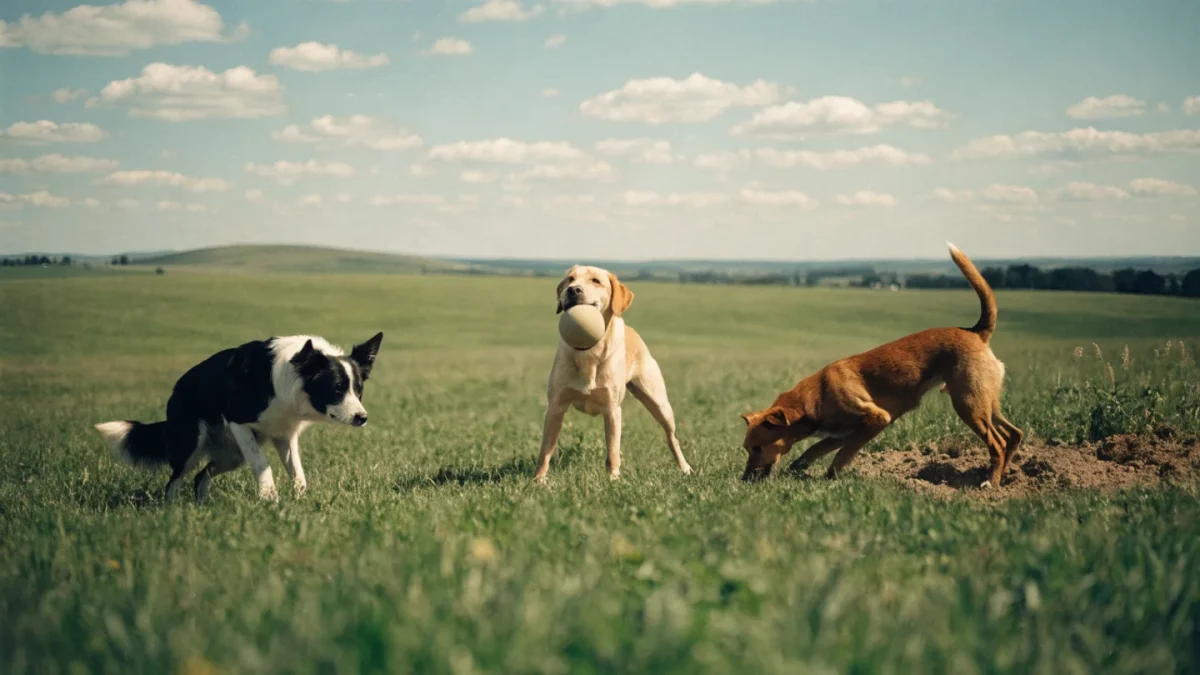
Herding breeds: Movement sensitivity, eye contact with moving things, directional following, nipping at heels, circling. The instinct to control movement is the job. This makes them exceptionally responsive to handler body language and directional cues — and challenging around fast-moving children.
Retrievers: High drive to carry and bring back objects, soft mouth, strong human focus, biddable nature. Easy to train in food and toy contexts, with natural inclination toward handler cooperation. Their "weakness" is often distraction by other people and dogs — they like everyone too much.
Terriers: Independent problem-solving, high prey drive, persistence to the point of stubbornness, reactive to small animals. Bred to make decisions underground without handler direction. This independence translates to recall challenges and tendency to ignore cues when a scent is interesting.
Hounds (scent): Nose-dominant to a degree that other breeds aren't. When the nose engages, higher brain functions go offline. Training has to account for this — scent drive wins most of the time against verbal cues at distance.
Hounds (sight): Pure sprint instinct toward moving objects. Low tolerance for restraint during high arousal. Recall in open spaces is extremely challenging and should never be off-leash unless in a safely enclosed area.
Working breeds (Shepherds, Dobermans, Rotties): High intelligence, high drive, strong loyalty and territorial instinct. Exceptionally capable and exceptionally demanding. Thrive with consistent structure and a real job. Difficult when under-stimulated.
Guardian breeds (Pyrenees, Kangals, Anatolians): Independent decision-making is a job requirement — these dogs patrol livestock without human direction. Recall and tight obedience aren't their default. They require different training frameworks than working or sporting breeds.
How to Work With Drive Instead of Against It
The most useful shift in breed-aware training is asking: what does this behavior want to do, and how can I redirect it?
A border collie that herds children doesn't need to be punished out of herding — they need a job that channels the herding instinct somewhere appropriate. A terrier that digs in the garden needs a sanctioned dig zone plus some management, not just correction.
Basic obedience foundation matters for every dog, but how you build it should reflect the breed.
For high-prey-drive dogs: Use movement in training. Toys as rewards, games that involve chasing and catching, fast session pacing that keeps energy engaged.
For independent breeds: Work on relationship and value first. These dogs don't give you compliance for free — you have to make yourself genuinely worth listening to. High-value rewards, games they love, and clear consistent patterns.
For scent breeds: Accept that recall will require extra work and extra management. Enclosed spaces for off-leash. Long-line training for recall in open areas. Nose work as an outlet that satisfies the drive rather than fighting it.
For guardian breeds: Build trust over time, set clear consistent expectations, work on focus and engagement as a primary goal before behavior chains.
Genetics vs. Individual Personality
Breed tendencies are exactly that — tendencies, not certainties. You will find individual Labs that don't retrieve, Border Collies that aren't particularly interested in herding, and Huskies that have excellent recall.
The breed expectation tells you what to prepare for and what skills to prioritize. The individual dog in front of you tells you what you actually have.
Meet both. Plan for the breed. Train the dog.
Mixed Breeds
Mixed breeds don't come with breed labels, but they come with drives. Observe what your dog does naturally and you'll see the genetic inheritance in action. A mix that stares intensely at squirrels and uses a low crouching approach has herding lines somewhere. A mix that alerts to strangers at the fence line has some guardian breeding. Match the training to the drive you see, not to the breed you guess.
Dog sports matched to breed drive is one of the most effective ways to channel genetics productively.
FAQ
Do some breeds learn faster than others?
Some breeds score higher on tests of trainability and willingness to work with humans. But "trainability" as typically measured is really "biddability" — willingness to take direction from humans. Independent breeds like Chows, Basenjis, and some hounds are often described as "stubborn" or "difficult to train" when they're actually highly intelligent dogs that don't find human approval intrinsically rewarding. They learn quickly when motivated — but what motivates them is different.
My dog's breed is known as difficult. Should I expect failure?
No. A challenging breed requires a more experienced approach, more creative training, and more patience — but it doesn't predict failure. Many people successfully train "difficult" breeds because they take the time to understand what the dog actually needs.
How do working-line dogs differ from show-line dogs of the same breed?
Significantly in many breeds. Working-line German Shepherds, Border Collies, Belgian Malinois, and Labrador Retrievers are typically higher drive, more reactive, and more demanding than their show-line counterparts. They need more sport, more work, and more management. If you adopted what you thought was a calmer version of a breed and ended up with something much more intense — you may have a working-line dog.
Can I "train out" a breed's instincts?
You can manage, redirect, and interrupt instinctive behaviors. You cannot eliminate a drive that's been selected into a breed over hundreds of years. A terrier will always find small fast things interesting. A herding dog will always have movement sensitivity. The goal isn't removal — it's management and channel.