

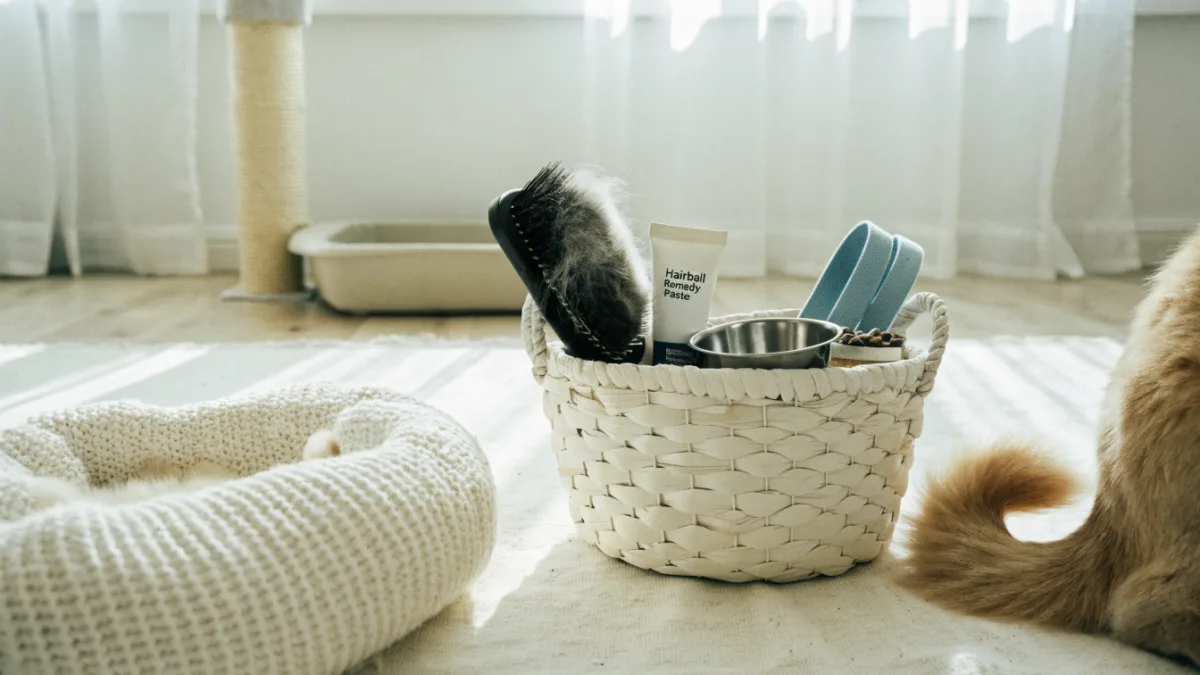
If you’ve never witnessed a reverse sneeze in person, let me paint you a picture. It’s 7 a.m. You’re holding your coffee, still half asleep, and suddenly your dog sounds like a goose having a panic attack. Or your cat crouches low, extends her neck, and makes a gagging noise so dramatic you’re already reaching for the car keys. I get it — I’ve been on the other end of those panicked phone calls more times than I can count. Just last month, a client named Rebecca rushed her four-year-old Beagle, Max, into the clinic convinced he was choking. He wasn’t. He was reverse sneezing, which, despite how terrifying it looks (and sounds), is usually completely harmless. But here’s the thing — understanding the difference between a reverse sneeze, a hairball hack, and something more serious like an asthma attack can save you a lot of sleepless nights and unnecessary emergency vet bills.
The Reverse Sneeze: Your Dog (or Cat) Isn’t Dying
Let’s start with the one that generates the most panic: the reverse sneeze. A normal sneeze pushes air out of the nose forcefully. A reverse sneeze does the opposite — your pet rapidly and forcefully sucks air into their nose. The result is a snorting, gagging, honking sound that, if you’ve never heard it before, will absolutely make your heart stop.
I remember when I first started practicing, a woman brought in her eight-year-old Chihuahua, Peanut, insisting he had “something stuck in his throat.” She’d already tried reaching into his mouth, giving him water, and even doing a modified Heimlich maneuver. Peanut was fine. He’d inhaled some dust from a home renovation project, and his body was doing exactly what it was designed to do — clearing the irritant out.
What Triggers It?
Reverse sneezing is a reflex. Your pet’s body is trying to clear irritants from the nasal passages, mouth, or throat. Common culprits include:
- Pollen, grass seeds, and other airborne debris
- Smoke from candles, fireplaces, or cigarettes
- Strong household odors — cleaning chemicals, perfumes, essential oils
- Sudden bursts of excitement or exercise
- Rapid eating or drinking
- Pulling hard on a collar (which is why I’m a big fan of harnesses for small breed dogs)
While we typically associate reverse sneezing with dogs — especially brachycephalic breeds like Pugs, French Bulldogs, and Boston Terriers — cats do it too. My own cat, a twelve-year-old tabby named Olive, reverse sneezes every spring when the oak pollen kicks up. The first time it happened, even I panicked for a split second, and I’ve been doing this for fifteen years.
The Hairball Hack: It’s Not Actually a Cough
Here’s something that might surprise you: when your cat is hacking up a hairball, they’re not actually coughing. I know it sounds like a cough, but technically, it’s a retching or gagging motion. The hairball mass sits in the esophagus — the tube connecting the mouth to the stomach — not in the lungs or airway. So while it looks and sounds like coughing, the mechanics are entirely different.
This distinction matters more than you might think. A true cough involves the lower respiratory tract. A hairball gag involves the digestive tract. The treatments are different, the underlying causes are different, and confusing the two can lead to a lot of wasted money on the wrong remedies.
I saw a sweet ten-year-old long-haired cat named Clementine last year whose owner had been treating her for hairballs for months. The owner had tried every lubricant gel and “hairball remedy” on the market, but Clementine kept gagging. When she finally came in, we discovered Clementine was actually dealing with feline asthma. Those “hairball hacks” were coughing episodes triggered by airway inflammation. Once we got her on the right medication, the hacking stopped completely.
Managing Hairballs the Evidence-Based Way
I’ll be honest — I used to recommend petroleum-based hairball gels without thinking much about it. I’ve changed my mind on this. While those products can help hair pass through the digestive tract, the evidence for long-term daily use is pretty thin, and some cats aren’t thrilled about the taste. What I focus on now is prevention through grooming and diet:
- Regular brushing — especially for long-haired breeds. You’d be amazed how much hair you can remove before it ever reaches their stomach.
- Dietary fiber — look for cat foods that include beneficial fiber sources to support healthy digestion and hair passage.
- Fatty acid supplements — omega-3s support skin and coat health, which can reduce shedding overall.
If your cat is producing hairballs more than once or twice a month despite these measures, it’s worth a conversation with your vet. Sometimes what looks like “just a hairball” is something else entirely.
Telling the Difference: Reverse Sneeze, Hairball, or Asthma?
This is the question I get asked most often, and honestly, it’s the hardest one to answer over the phone. The symptoms overlap, and every animal expresses them slightly differently. But here’s a general guide I give my clients:
The Reverse Sneeze
Loud, rapid inward inhalation. Your pet will often stand still with their neck extended forward and elbows spread apart. The sound is snorty, honking, and rhythmic. Episodes typically last anywhere from a few seconds to a minute, and your pet acts completely normal immediately afterward.
The Hairball Gag
Rhythmic retching or gagging motions, often with the neck extended low to the ground. You’ll see abdominal contractions — the whole body heaves. Eventually (and usually), something comes up. If nothing comes up after repeated episodes, that’s when I want to see your pet.
Feline Asthma (or Canine Bronchitis)
This one presents as a true cough or respiratory distress. Your cat or dog may crouch low with their neck extended, but the sound is different — more of a dry, hacking cough or wheeze. You might notice labored breathing, open-mouth breathing (in cats, this is always an emergency), or a bluish tint to the gums. Asthma requires veterinary treatment, not home remedies.
Collapsing Trachea
Common in small breed dogs, this sounds like a goose honk and is often triggered by excitement, pulling on a collar, or eating/drinking. If your small dog makes this sound regularly, talk to your vet — there are management strategies that can significantly improve their quality of life.
When to Actually Worry
Here’s my general rule of thumb: occasional episodes that resolve quickly and leave your pet acting normal are usually nothing to worry about. Max, the Beagle I mentioned earlier? He reverse sneezes maybe once a month after sniffing particularly vigorously in the yard. That’s his normal, and Rebecca knows it now.
But please call your vet if you notice any of the following:
- Episodes becoming more frequent or lasting longer than a minute or two
- Discharge from the nose or eyes, especially if it’s colored or bloody
- Difficulty breathing between episodes
- Lethargy, loss of appetite, or behavioral changes
- Gums that look pale, blue, or dark red
- A foreign object you can actually see (don’t try to remove it yourself — call your vet)
I always tell my clients: you know your pet better than anyone. If something feels off — even if the symptoms match a “normal” reverse sneeze — trust that instinct. There’s no shame in bringing your pet in for peace of mind.
Your Smartphone Is a Diagnostic Tool
One of the best developments I’ve seen in recent years isn’t a new medication or surgical technique — it’s the smartphone. Because reverse sneezing, hairball gagging, and coughing episodes happen sporadically (sometimes only once a month), they almost never happen conveniently during your vet appointment. I can’t tell you how many times a pet has walked into my exam room looking perfectly healthy after their owner described a dramatic episode the night before.
Now, when clients pull out their phones and show me a video, it changes everything. I can see exactly what’s happening — the posture, the sound, the duration, how the pet acts afterward. It often eliminates the need for unnecessary testing and helps me make an accurate diagnosis on the first visit. So if your pet has one of these episodes, film it. I know it feels strange to grab your phone when your pet seems distressed, but that thirty-second video might be the most useful thing you bring to your appointment.
Look Around Your Home
Before I wrap up, I want to mention something that often gets overlooked: your home environment plays a massive role in these episodes. I had a client whose cat, a three-year-old Siamese named Luna, started reverse sneezing almost daily. We went through the usual diagnostics and found nothing. Then I asked about changes in the household. Turns out, the owner had started using a new plug-in air freshener about a week before the episodes began. She unplugged it, and within three days, Luna stopped reverse sneezing entirely.
Pets have incredibly sensitive respiratory systems. Those candles, cleaning sprays, diffusers, and air fresheners that make your home smell wonderful? They can be genuine irritants for the animals living with you. I’m not saying you have to give up everything — I still burn the occasional candle in my own home — but be mindful. If your pet starts showing respiratory symptoms, look at what’s changed in their environment recently.
At the end of the day, most of these dramatic-sounding episodes are your pet’s body doing exactly what it’s designed to do — clearing irritants, managing hair, and keeping their airways clear. Understanding the difference between a harmless reverse sneeze and something that needs attention isn’t just about saving money on vet bills. It’s about being the advocate your pet needs. They can’t tell us when something feels wrong, so we have to pay attention, stay calm, and know when to ask for help. And honestly? The fact that you’re reading this tells me you’re already doing exactly that.
For more information on reverse sneezing in cats, check out this helpful resource from,[1] or learn more about.[2] You can also join the conversation in communities like [3] where pet owners discuss these topics — just remember to verify what you read online with your own veterinarian.
Sources
- PetMD — petmd.com
- reverse sneezing in both dogs and cats — zoetispetcare.com
- Pet Vet Corner — facebook.com