

I started noticing freeze-dried food at the premium end of pet stores about eight years ago — small bags with significant price tags and marketing language about "raw nutrition without the risk." The category has grown considerably since then, and I've had enough clients ask me about it that I've spent real time looking at what the evidence actually says.
My summary: freeze-dried and dehydrated foods are genuinely different from kibble in ways that matter nutritionally. Whether those differences justify the cost for your specific pet is a different question.
The Processing Difference
This is where the real story is, not the marketing.
Kibble extrusion involves temperatures that can exceed 150-180°C. That kills pathogens effectively, which is good. It also degrades heat-sensitive vitamins (particularly B vitamins and vitamin C), some enzymes, and denatures proteins to varying degrees — research confirms that vitamin stability during extrusion can drop to 50% for some nutrients, with B1 and B6 being particularly vulnerable to Maillard reactions at high temperatures (Grasso et al., PMC, 2020; Vitamin stability during extrusion, PubMed, 2009). The post-processing vitamin supplementation compensates for most of this, but the starting ingredient quality is necessarily affected.
Freeze-drying works completely differently. The food is frozen, then placed in a vacuum chamber. The ice converts directly to vapor without the food passing through a liquid stage. No heat is involved. Nutrients, enzymes, and flavor compounds are preserved quite well. The result is a shelf-stable product that, when rehydrated, has a nutritional profile much closer to fresh food than kibble does.
Dehydration removes moisture with low heat over an extended period. It's gentler than extrusion but involves more heat than freeze-drying, so there's some nutrient loss — less than kibble, more than freeze-dried. Air-drying (a specific form of low-temperature dehydration) is closer to freeze-drying in terms of nutrient preservation.
What "Better Preserved" Actually Means
Higher vitamin retention is real and meaningful. But I want to be careful not to overstate the practical difference for a healthy pet eating a well-formulated kibble. Commercial kibble manufacturers compensate for nutrient losses in processing by supplementing post-extrusion. A properly formulated, AAFCO-verified kibble meets nutritional requirements despite the processing losses.
Where freeze-dried and dehydrated foods have a real edge:
Ingredient quality transparency. Because these products often use minimal processing and their ingredients are more visually recognizable, quality is somewhat more apparent. A freeze-dried raw chicken product that you can see is mostly chicken is easier to evaluate than a kibble where the ingredient interactions after extrusion are opaque.
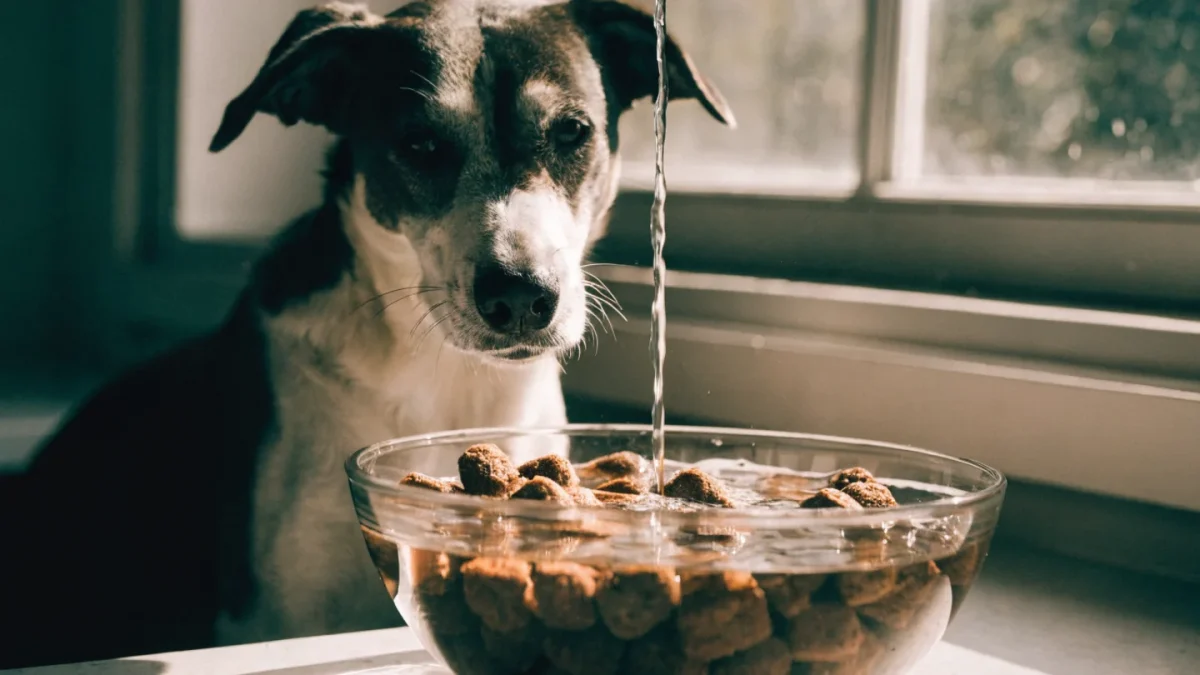
Moisture content when rehydrated. Rehydrated freeze-dried food can reach 60-70% moisture, which approaches wet food levels. For pets who need higher moisture intake but won't eat canned food, this is a useful option.
Palatability. Most pets find freeze-dried food highly palatable. The concentrated flavor (removed moisture concentrates smell and taste) makes it appealing, which has value for picky eaters or animals recovering from illness.
The Cost Problem
Let's be direct: feeding a 25kg dog exclusively on freeze-dried food is financially prohibitive for most households. The daily cost can be five to ten times that of a comparable-quality kibble.
Most practical applications of freeze-dried food are:
As a topper. A small amount of freeze-dried food crumbled over kibble adds palatability, aroma, and some additional nutrition without requiring the entire diet to be freeze-dried.
For picky eaters or ill pets. Where appetite is the primary concern, the palatability advantage is worth the cost premium.
For travel or convenience. Shelf-stable and lightweight, freeze-dried food is genuinely practical for travel compared to wet food or frozen raw.
As part of a rotation. Some owners rotate between kibble, wet food, and freeze-dried to provide variety and hedge nutritional bets across different formats.
For how freeze-dried fits in the broader pet food spectrum, the positioning is between raw food and premium kibble — better nutrient preservation than conventional kibble, safer than raw for most households.
Freeze-Dried vs Dehydrated: Is One Better?
Freeze-drying preserves nutrients better. Dehydrated food is typically less expensive. Both require rehydration to serve (though many owners skip rehydration — the pet's gut water balances this to some extent, but rehydrating is recommended, as research shows freeze-dried foods have very high amino acid digestibility whether rehydrated or not, though adequate total water intake remains important for urinary health) (Herian et al., PMC, 2023).
For dogs and cats who need maximum nutrient density from a preserved format, freeze-dried has the edge. For households where cost is a primary concern and the goal is "better than kibble but not raw," a quality dehydrated food is a reasonable middle ground.
Both are comparing freeze-dried to kibble and wet food only meaningful when you're actually looking at specific formulations — the category tells you about processing method, but not about ingredient quality or nutritional completeness, which vary widely within each category.
FAQ
Is freeze-dried food safe compared to raw?
Commercial freeze-dried raw food from reputable manufacturers is significantly safer than homemade raw because many products undergo high-pressure processing (HPP) to reduce bacterial pathogens — research confirms HPP achieves 1–9 log reductions in Salmonella in raw pet food depending on treatment conditions, while preserving the raw nutritional profile (Bolocan et al., PubMed, 2022). That said, for immunocompromised pets or households with vulnerable humans, even HPP-treated raw carries more risk than cooked food.
Can I feed freeze-dried food without rehydrating it?
Yes, and many pets eat it that way without issues. Rehydrating is recommended because it increases moisture intake and improves digestibility. Dry crumbled freeze-dried used as a topper on wet food or kibble doesn't require rehydration. If feeding as a complete diet, rehydrating is worth doing for the moisture benefit.
My pet won't eat after I switched to freeze-dried. What's happening?
Unusual — freeze-dried is typically very palatable. If a pet is refusing it, check whether it's been rehydrated adequately (under-rehydrated freeze-dried can have an odd texture), whether the formula is appropriate for the pet's life stage, and whether there might be a health issue affecting appetite. Occasionally, the specific protein source in a freeze-dried formula doesn't appeal to a particular animal — trying a different protein is a reasonable next step.