

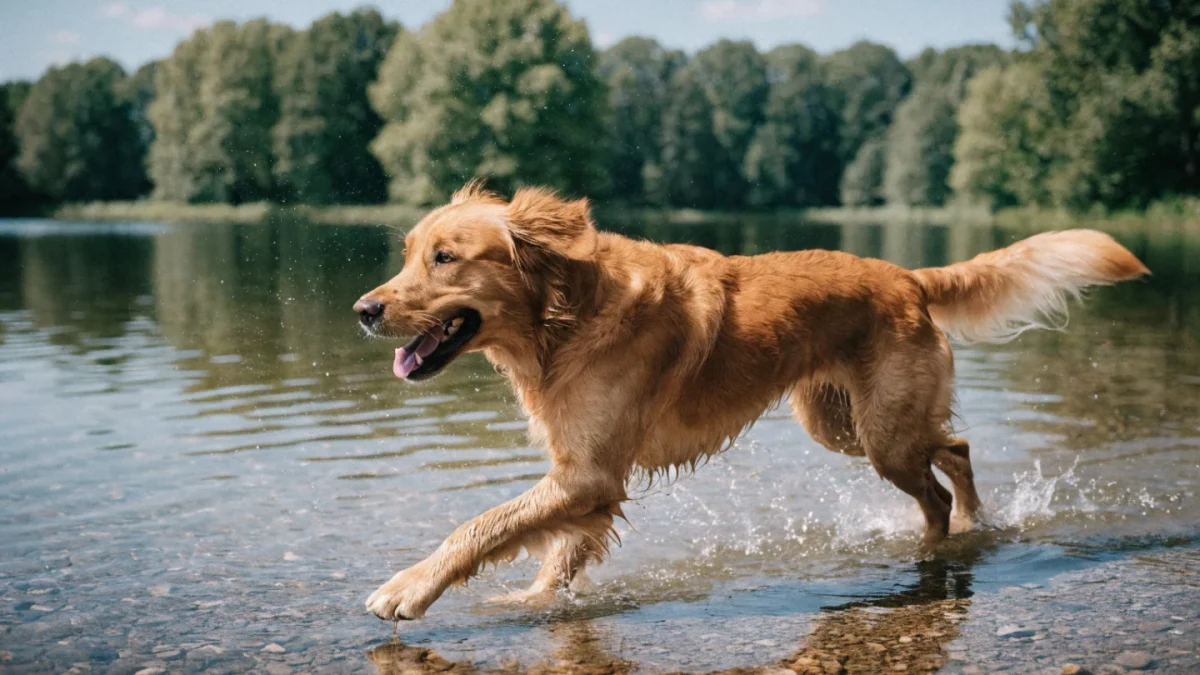
Summer is when having a dog goes from pleasant to genuinely great. The days are long, the parks are full, and there are approximately forty things you can do together on a Saturday that weren't options in February. But there's a gap between "outdoor activities that look fun in photos" and "outdoor activities that are actually enjoyable for both of you" — and the gap is usually heat management.
This is the practical version. These are activities that work, what makes them work, and what you need to think about before you go.
Before Any Outdoor Activity: The Summer Pre-Check
This applies to everything on this list. Before warm-weather outdoor activities with your dog, run through:
- Time of day — early morning (before 10am) and evening (after 6pm) are dramatically safer in hot weather than midday
- Pavement temperature — back of your hand for 7 seconds; if you pull back, their paws will burn
- Water supply — bring more than you think you need, and a collapsible bowl
- Heat and humidity — high humidity on a moderate temperature day can be worse than low humidity on a hot one (panting is less effective when the air holds more moisture)
For the full warm-weather framework, the spring and summer pet care guide has everything. And if you want to know specifically how to spot and respond to heat stress, the protecting your pet from heatstroke guide is a quick read worth having in your head before any active summer outing.
1. Hiking
Probably the best summer activity for active dogs — they get sustained movement, new smells, varied terrain, and they're usually exhausted in the best possible way afterward.
What makes it work:
- Leash rules: most trails require dogs on-leash. Check before you go, and bring a leash even if the trail is off-leash — other hikers and dogs may not appreciate your very friendly dog charging at them.
- Trail etiquette: step to the side for other hikers, pick up after your dog, and yield to horses if you encounter them (horses spook; step off-trail on the downhill side and keep your dog calm).
- Paws: rocky and gravelly trails chew up paw pads faster than soft paths. Build up gradually.
- Water: streams and lakes on trails are tempting for dogs, but some carry Giardia and other parasites. Carrying your own is safer than relying on trail water.
- Wildlife: in areas with wildlife, be aware of what you might encounter. Keeping dogs on-leash protects them from confrontations.
Build up to longer hikes the way you would for yourself — a dog who isn't conditioned for sustained climbs can get muscle sore too.
2. Swimming
Most dogs love it. Some need encouragement. A few (especially brachycephalic breeds like bulldogs and pugs) need a life jacket and close supervision because they're naturally not strong swimmers.
Lakes, rivers, oceans, pools — each has its own considerations. Read the dog swimming safety guide before you head to the water.
The quick version: rinse off salt or chemicals after swimming, never let dogs drink salt water or large amounts of lake/river water, watch for blue-green algae in warm standing fresh water (toxic), and make sure your dog can exit the water without stress.
3. Backyard Hang / Backyard Camping
Underrated. Genuinely one of the lowest-effort, highest-enjoyment summer activities for dogs.
Set up a shaded area — canopy, umbrella, or the natural shade of trees — with water, and let your dog just be outside with you while you do other things. Read a book. Have people over. Dogs get enrichment from being in the environment, smelling what's happening in the yard, monitoring the activity level of the neighborhood. It doesn't have to be structured.
Backyard camping (spending the night outside) is an extension of this and something a lot of dogs love — they get to be outside with their person in an unusual, interesting context. Just make sure the yard is securely fenced and they're protected from overnight cold or insects depending on your climate.
4. Farmer's Markets and Outdoor Markets
Many farmer's markets and outdoor shopping areas are dog-friendly. This is great mental enrichment — new people, new smells, different surfaces, a different environment entirely.
Practical notes: shaded areas fill up fast on hot days; bring water and a bowl; watch for food dropped on the ground (lots of markets have grapes, onions, and other things you don't want your dog eating). Keep your dog close in crowds — they can easily step on, or be stepped on by, other people.
Check ahead whether the specific market or event is dog-friendly, as policies vary.
5. Dog-Friendly Beach Days
If you have access to a pet-friendly beach, this is a top-tier summer activity for the right dog. The combination of swimming, running, sand, and smells hits a lot of enrichment needs at once.
What to know:
- Look up regulations: designated dog beaches vs. general no-dogs rules vary enormously by location
- Salt water is a laxative for dogs and causes vomiting if they drink enough of it — they will try to drink it, so bring fresh water and interrupt the attempts
- Rinse off after the beach — salt and sand irritate skin with prolonged exposure
- Watch for jellyfish and sharp debris on the sand
- Hot sand burns paws the same way hot pavement does
- Sun exposure on thin-coated and light-skinned areas (ears, nose) can burn on long beach days
6. Paddleboarding or Kayaking
Growing in popularity, and dogs who are comfortable near water often take to it surprisingly well. The key is a gradual introduction — getting them used to the board on land, then in shallow water near shore, before going further out.
A dog-appropriate life jacket is a good idea regardless of how well they swim. Falling off a paddleboard happens to everyone.
This works best with calm, confident dogs who aren't easily spooked by unstable surfaces. An anxious or reactive dog on a paddleboard in a busy area is not going to have fun.
7. Outdoor Dining at Pet-Friendly Patios
Not exactly active adventure, but genuinely enjoyable for social, well-socialized dogs. Sitting at an outdoor café table, watching people pass, is genuine enrichment for a dog who likes being around activity.
Pre-requirements: your dog should be comfortable lying quietly for extended periods without anxiety, and shouldn't react with barking or lunging at passing people or dogs. If your dog isn't quite there yet, busy patio dining is a practice destination rather than a relaxation destination — you'll be managing the whole time.
Bring water. Many pet-friendly restaurants will provide a water bowl, but not all do.
8. Road Trips With Stops at Dog-Friendly Destinations
Summer road trips are a staple, and many travel destinations are genuinely dog-friendly — national forests (as opposed to national parks, which typically have more restrictions), state parks, dog-friendly beach towns, mountain towns.
Plan stops every 2-3 hours to let your dog stretch, relieve themselves, and drink water. Hot cars are extremely dangerous — never leave your dog in the car even for a quick errand.
Look for pet-friendly accommodations in advance; availability varies by location and season, and it's much easier to plan ahead than to arrive somewhere and realize your options are limited.
9. Running Together
If you run and your dog is up for it, running together in the cooler parts of the day is great mutual exercise. Build distance gradually — dogs will often push themselves to keep up even when they're tired, so pacing is your responsibility.
Caution for puppies: high-impact running on hard surfaces isn't recommended for dogs under 18 months (growth plates, joints). And for short-nosed breeds, even moderate sustained jogging in heat can be a respiratory challenge.
10. Agility and Outdoor Dog Sports
Many areas have local agility clubs, flyball teams, or disc dog groups that welcome newcomers, even casually. These are great for high-energy dogs who need both physical and mental stimulation. They're also genuinely fun to watch and participate in — there's a community aspect that a lot of dog owners find they appreciate.
These activities are typically held in early morning or evening in summer precisely because of heat concerns. Ask locally about dog sport clubs if this sounds interesting.
A Note on Cats
I've mostly written this for dogs because summer outdoor activities skew heavily dog. Most cats don't go on hikes or swim.
But if you have a cat who's harness-trained or has access to a secure outdoor enclosure (catio), summer can be lovely for them too. Sitting in a screened porch, watching birds, patrolling the garden — these are lower-key but genuinely enriching for a cat who has that access.
For indoor cats, summer enrichment is more about managing window time and keeping the environment interesting — a separate topic, but a real one.
Summer is long enough that you don't have to cram everything in. Pick two or three activities that genuinely fit your dog's energy and your lifestyle, do them consistently, and you'll both be better for it.