

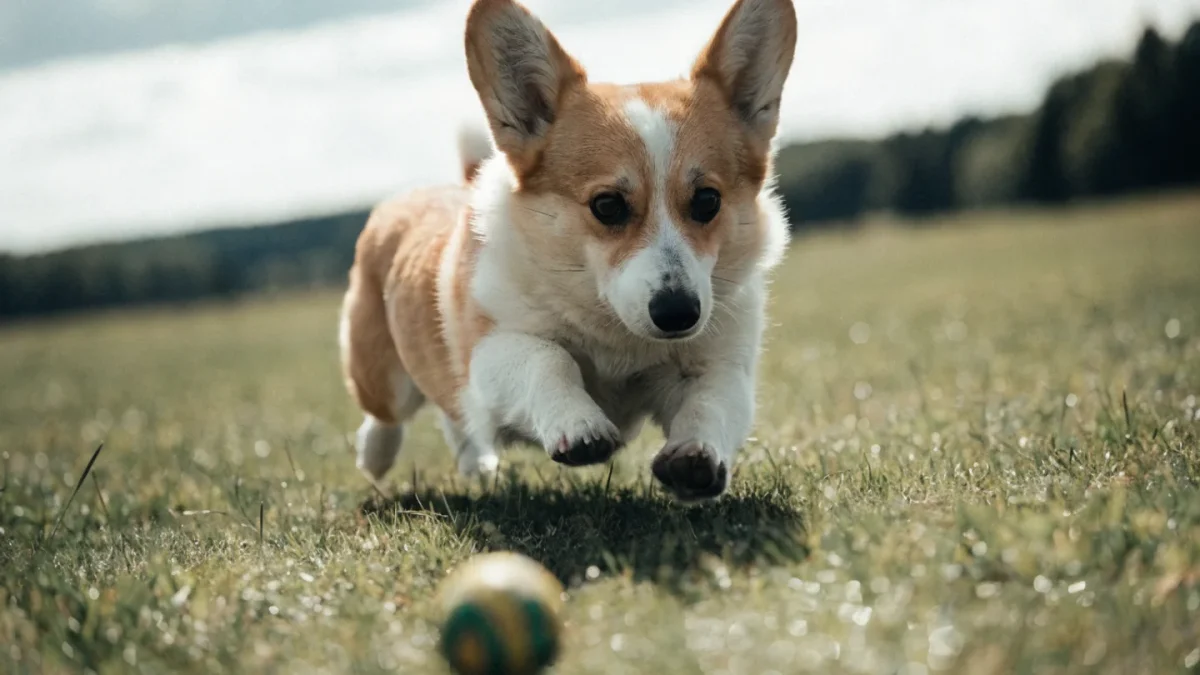
A dog that was bred to run cattle across Welsh hillsides for eight hours doesn't stop needing exercise because you moved it into a house with a small yard. The Pembroke Welsh Corgi's exercise requirements catch more new owners off guard than almost anything else about the breed, and the consequences of underestimating them show up fast: barking, digging, destructive chewing, and a dog that herds everything in the house because it has no other outlet.
Forty-five to 60 minutes of purposeful daily exercise is the baseline for an adult Pembroke — not the ceiling. "Purposeful" is the operative word. Letting the dog into the backyard doesn't count. A slow-paced stroll around the block barely registers. This is a working breed with genuine stamina, and its herding temperament demands activities that engage body and brain simultaneously.
What "Enough" Actually Looks Like
The most effective exercise for a Pembroke combines moderate physical effort with mental engagement. Brisk walking at a pace that keeps the dog trotting rather than ambling is a solid foundation. Add variety: change routes, explore new environments, allow sniffing time (which is mentally tiring in ways that pure cardio isn't).
Fetch works well for most Pembrokes. They're not natural retrievers in the way a Labrador is, but most enjoy the chase-and-return pattern when trained to it. Keep throws low — ground-level rolling is preferable to high arcs that encourage jumping and landing hard on a long spine.
Agility, at an appropriate scale, is outstanding for Pembrokes. The low center of gravity and quick directional changes that served them in cattle work translate directly to agility course maneuvers. Many Pembrokes compete successfully in the sport.
Scent work and puzzle activities tire the brain without stressing the body. Hiding treats around the house, using puzzle feeders, or teaching the dog to find specific objects by name are all legitimate exercise. Fifteen minutes of concentrated scent work can drain a Pembroke's energy reserves as effectively as a 30-minute walk.
Swimming, where accessible, provides excellent low-impact cardiovascular exercise. Not all Pembrokes take to water naturally — their body proportions make swimming less intuitive than for longer-legged breeds — but those that learn generally enjoy it.
The Spinal Safety Factor
Every exercise conversation about Pembrokes comes back to the spine. Their chondrodystrophic build — long back, short legs — creates mechanical vulnerability to intervertebral disc disease (IVDD). Exercise planning must account for this reality. For a deeper look at the genetic basis of IVDD risk in corgis, including the FGF4 retrogene that drives chondrodystrophy, that article covers the molecular mechanisms behind the structural vulnerability.
Avoid activities that load the spine repeatedly: jumping on and off furniture, catching discs or balls at height, rough wrestling with larger dogs, and running on hard surfaces for extended distances. Stairs in moderation are fine for healthy adults, but shouldn't be a daily high-repetition activity for puppies or older dogs.
The safest approach is consistent moderate exercise rather than the weekend-warrior pattern of minimal activity during the week followed by intense outings on Saturday. A Pembroke's spine handles steady, distributed effort far better than occasional bursts of high impact.
Puppies and Seniors
Puppies under 12 months need exercise calibrated to their developing skeleton. Short play sessions of 5 minutes per month of age, multiple times daily, is a reasonable framework. Let puppies set their own pace during free play on soft surfaces. Avoid forced repetitive exercise — no jogging, no extended fetch sessions, no agility jumps until growth plates have closed.
Senior Pembrokes (typically 9 years and older) still need daily activity but at reduced intensity. Shorter walks, gentle play sessions, and an increased emphasis on mental enrichment maintain quality of life without overtaxing aging joints and spines. Watch for signs of discomfort: reluctance to walk, stiffness after rest, or changes in gait that could indicate DM onset or disc problems.
When Exercise Isn't Enough
If a Pembroke is getting 45 to 60 minutes of varied daily exercise and still exhibiting destructive or obsessive behaviors, the issue is usually mental stimulation, not physical output. Increasing walk duration won't fix a dog that's bored. Adding complexity — new environments, training challenges, interactive toys, social opportunities — addresses the root cause.
A Pembroke that has both physical exercise and mental engagement appropriate to its age and condition is, generally, a calm and pleasant housemate. Getting to that point requires daily commitment. That commitment is the entry price for living with a herding breed — no exceptions, regardless of the dog's size.
For the full picture of what this breed demands, see the Pembroke Welsh Corgi breed guide.