

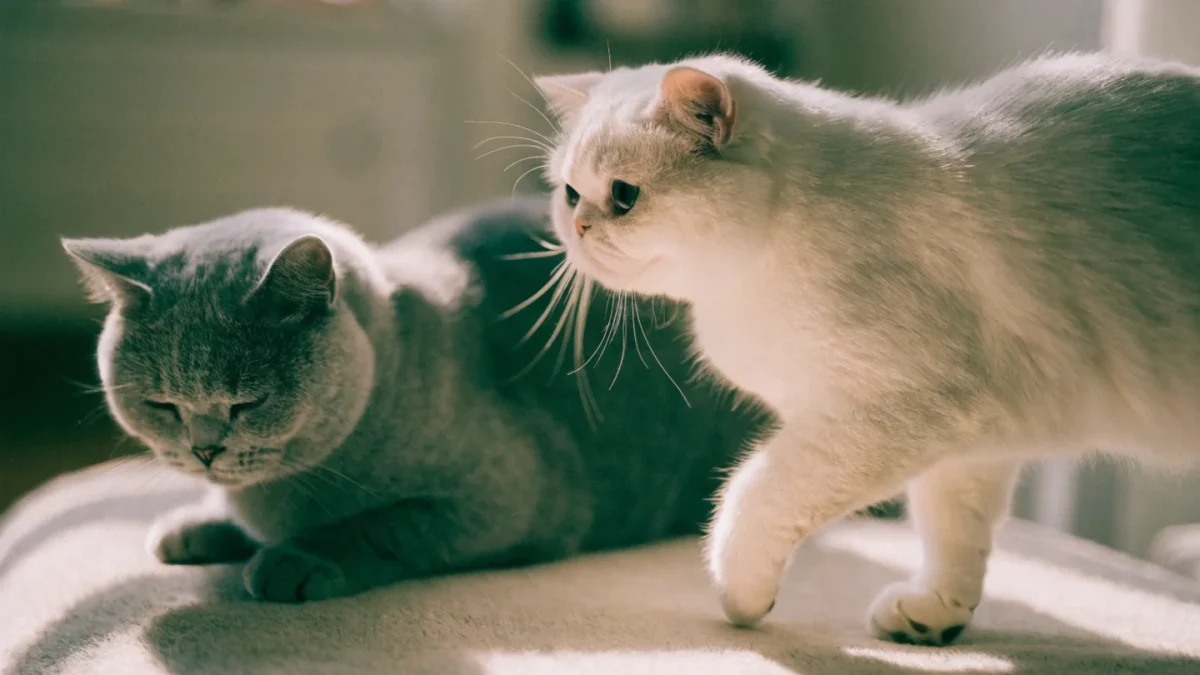
Both breeds appear on "calm cat" lists regularly, and both earn the description. The Persian and British Shorthair are good choices for people who prefer a settled, low-drama companion over a high-energy, high-maintenance animal. But treating them as interchangeable options is a mistake — the grooming difference alone is enormous, and the personality differences are real enough to matter.
The cat breed comparison guide provides the systematic framework for these kinds of decisions.
Quick Comparison
| Trait | Persian | British Shorthair |
|---|---|---|
| Coat | Very long, dense, tangles easily | Short, extremely plush |
| Grooming need | Daily brushing essential | Weekly brushing adequate |
| Energy | Very low | Low-medium |
| Vocalization | Very quiet | Very quiet |
| Facial structure | Brachycephalic (flat-faced) | Normal |
| Independence | Moderate-high | High |
| Adaptability | Lower — prefers stable routines | Excellent |
| With children | Gentle but sensitive | Excellent |
The Grooming Reality, Stated Plainly
The Persian coat is genuinely beautiful and genuinely demanding. Without daily brushing, it mats. Mats are not a cosmetic issue — they can become tight against the skin, causing pain and infection. Badly matted Persians require sedated shave-downs. This is not a rare occurrence; it happens regularly when new Persian owners underestimate the maintenance requirement.
If you want to own a Persian in good coat, you need to enjoy the grooming process or at least be reliably willing to do it. It takes 15-20 minutes daily for most coats. Some owners find this meditative and bond with the cat through it. Others find it burdensome after the first month.
The British Shorthair coat requires a weekly brush and occasional extra attention during seasonal shedding. That's it. The coat is dense and can leave fur on furniture, but it's not a welfare issue if you skip a week.
Personality in Detail
Persian: The Persian is calm in a way that reads as dignified — the full Persian breed profile covers history, health testing, and color varieties in detail. They're not blank — they have preferences, they choose companions carefully, and they notice changes in their environment. They're quieter than the British Shorthair about expressing opinions, but they have them. Persians tend to prefer established routines and familiar people over new situations and strangers.
The brachycephalic face creates specific health considerations: eye discharge requires regular cleaning, dental crowding is common, and breathing quality varies significantly with how extreme the facial compression is. Less extreme (or "doll-faced") Persians generally have better health outcomes.
British Shorthair: The British Shorthair adapts to more varied households without complaint. They handle visitors, children, and routine changes with equanimity. They're affectionate but don't demand affection — they'll settle near you and indicate that proximity is sufficient. The British Shorthair breed profile covers the full historical record, coat colors available, and the HCM cardiac screening that responsible breeders conduct.
Historically, the breed was working cats before they were show cats, and the sturdy practicality of working stock still shows in the personality. British Shorthairs are hardy, reliable, and low-drama.
The Verdict
Choose the Persian if you find the coat beautiful enough to justify daily maintenance, want a calm decorative companion with a settled personality, live in a stable household without much bustle, and are prepared to account for the flat-face health management.
Choose the British Shorthair if you want a calm, adaptable, self-sufficient companion without the grooming overhead — and without the structural health concerns. The British Shorthair is the more practical choice between these two for most people and most households.
This is one comparison where I'd nudge most people toward one option: unless you specifically love the Persian aesthetic and are honest about the maintenance commitment, the British Shorthair delivers a similar lifestyle with significantly less management.