

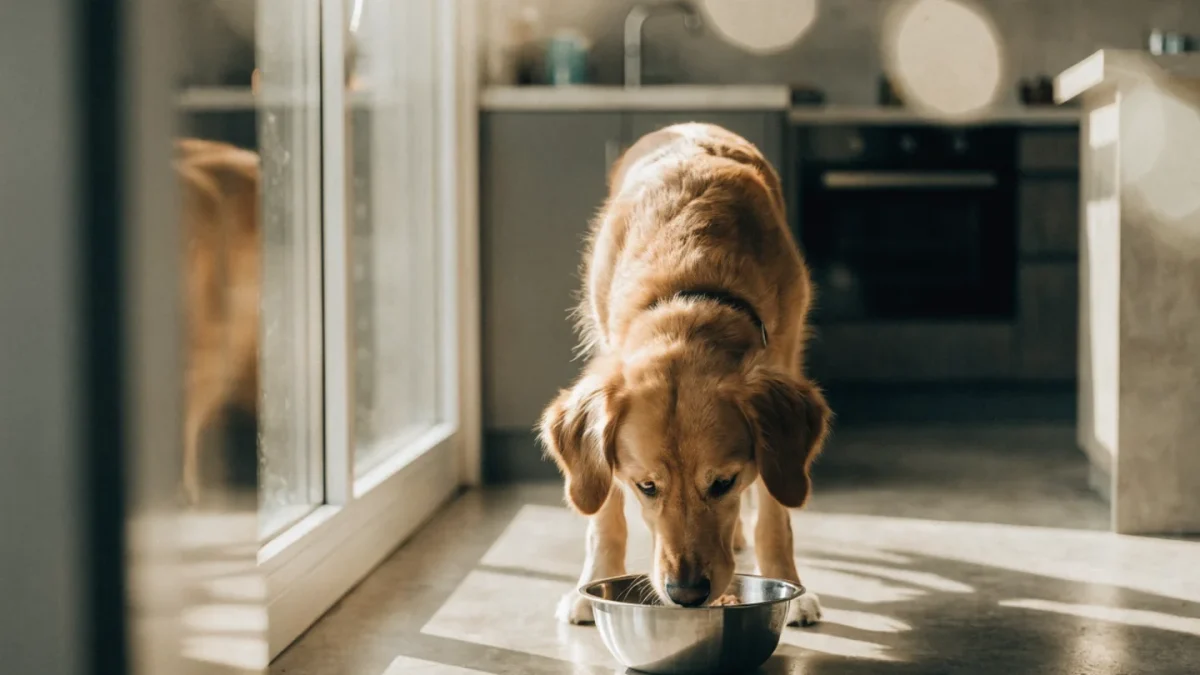
One of the questions I get most often in practice isn't "what's wrong with my dog" — it's "is this normal?" A dog vomits once after eating grass. A cat has loose stool for a day. A senior dog starts wanting smaller meals. Most of the time these are passing events, but owners have no reliable way of knowing when normal has crossed into concerning.
That uncertainty is what I'm hoping to resolve here. The gastrointestinal system is where your pet's health intersects most directly with everything they eat and every bug they encounter, and having a solid understanding of how it works — and what goes wrong when it doesn't — is genuinely useful for every pet owner.
How the Dog and Cat GI System Works
The digestive tracts of dogs and cats share the same basic architecture as other mammals, but there are meaningful differences in how they're designed that affect what they can eat, how they process food, and what goes wrong.
The Mouth and Esophagus
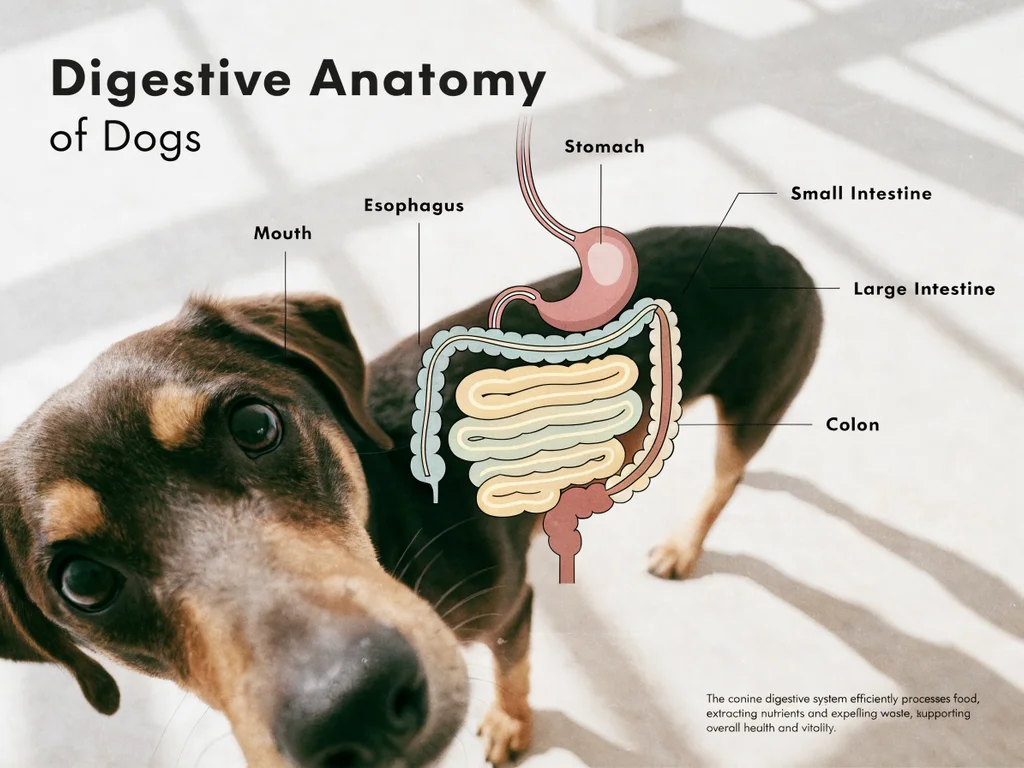
Digestion starts at the mouth, but unlike humans, dogs and cats produce little to no salivary amylase — the enzyme that begins carbohydrate digestion in people. Their saliva is primarily a lubricant for swallowing. Interestingly, dogs make up for it further down the line with substantial pancreatic amylase (a domestication-driven adaptation cats never picked up), which is part of why dogs tolerate carbohydrates in their diet so much better than cats do. Both species are evolutionary carnivores to varying degrees, and their dental anatomy reflects this: shearing teeth rather than the flat grinding molars that process plant material.
The esophagus carries food to the stomach via muscular contractions (peristalsis). In some breeds, particularly brachycephalic dogs (Bulldogs, Pugs, French Bulldogs), the esophagus can be involved in structural problems that cause regurgitation rather than vomiting — a distinction that matters for diagnosis.
The Stomach
The stomach of dogs and cats is highly acidic — more so than humans — which helps break down protein and is part of the evolutionary adaptation to eating raw meat. This acidity also provides a degree of protection against many pathogens.
Dogs are scavengers by heritage and have stomachs that can handle intermittent large meals; cats are obligate carnivores designed for small, frequent meals. These differences affect how we should feed them and why cats are particularly sensitive to meal timing disruptions.
Gastric emptying time — how long food sits in the stomach before moving on — varies between species and with meal composition. High-fat meals empty more slowly. Stress affects gastric motility. This is why anxious dogs sometimes vomit digested food hours after eating.
The Small Intestine
This is where most nutrient absorption happens. The small intestine is lined with finger-like projections called villi that dramatically increase the surface area available for absorption. The intestinal surface is also home to an enormous population of microorganisms — the gut microbiome — that play roles in digestion, immune regulation, and protection against pathogens.
The small intestine is divided into three sections: duodenum (where bile from the liver and enzymes from the pancreas enter to continue digestion), jejunum (the main site of nutrient absorption), and ileum.
Many of the most common and serious GI diseases in dogs and cats — inflammatory bowel disease, small intestinal bacterial overgrowth, lymphoma — affect the small intestine. Signs tend to include weight loss and large-volume watery diarrhea.
The Large Intestine (Colon)
The large intestine absorbs water and electrolytes from digested material, and ferments undigested fiber using its resident bacteria. Its primary output is formed stool. Large bowel disease tends to cause different signs than small bowel disease: frequent urging to defecate, small volumes of stool, mucus, and fresh blood in the stool rather than weight loss and large-volume watery diarrhea.
Understanding this distinction helps owners give their vet useful information. "Diarrhea" is not a diagnosis — the location and character of the problem helps narrow it significantly.
The Liver and Pancreas: Supporting Organs
The liver produces bile (necessary for fat digestion), metabolizes nutrients, filters toxins, and produces proteins essential for blood clotting and immune function. Liver disease frequently affects digestion as a secondary consequence.
The pancreas has two major functions: endocrine (producing insulin and glucagon for blood sugar regulation) and exocrine (producing digestive enzymes). Pancreatitis — inflammation of the pancreas — is one of the most common serious GI emergencies, particularly in dogs. When the pancreas is inflamed, those digestive enzymes activate prematurely and essentially begin to digest the gland itself.
Common GI Problems: An Overview
Vomiting vs. Regurgitation
These are different mechanisms, and the distinction matters. Vomiting is an active process — the dog or cat shows nausea signs (drooling, lip-licking, swallowing repeatedly), and then the abdomen contracts forcefully to expel stomach contents. Regurgitation is passive — food comes back up effortlessly, without apparent effort, often shortly after eating, and the material tends to be undigested and tubular.
Regurgitation usually indicates an esophageal or motility problem; vomiting can be caused by stomach, intestinal, pancreatic, liver, kidney, or systemic disease. Our vomiting and diarrhea guide covers the red flags that distinguish manageable cases from emergencies.
Diarrhea
Diarrhea — loose, frequent, or abnormally watery stools — has an enormous number of causes: dietary indiscretion, intestinal parasites, bacterial infection, viral disease, inflammatory bowel disease, food sensitivity, stress, medication side effects, and many others. Most acute diarrhea in otherwise well pets resolves within 48-72 hours. Diarrhea lasting beyond this, or accompanied by blood, severe lethargy, or vomiting, needs veterinary evaluation.
Food Sensitivities and Intolerances
Not every pet that reacts poorly to food has a "true" allergy — some have intolerances that involve different immune pathways or no immune involvement at all. Food sensitivities and elimination diets explains how to identify dietary triggers and what a proper elimination trial looks like, because the process is specific and commonly done incorrectly.
Inflammatory Bowel Disease (IBD)
IBD is a group of conditions characterized by chronic infiltration of inflammatory cells into the intestinal wall, disrupting normal architecture and function. It causes chronic or recurring vomiting, diarrhea, and weight loss. Cats with IBD can be surprisingly difficult to distinguish from cats with small cell lymphoma — even histopathology alone can struggle, catching a meaningful share of lymphoma cases only when combined with immunophenotyping and clonality testing on top of standard biopsy. The distinction has significant treatment and prognosis implications, which is why a thorough workup matters more than a quick read of a single sample.
Pancreatitis
Inflammation of the pancreas causes acute abdominal pain, vomiting, and lethargy. In dogs, it's frequently linked to dietary indiscretion — eating fatty food, garbage, or table scraps. Miniature Schnauzers have a well-documented predisposition — some studies put their pancreatitis prevalence at more than four times that of dogs generally, likely tied to this breed's separate tendency toward high blood triglycerides. Cats develop pancreatitis through less obvious triggers, and they often have it alongside inflammatory bowel disease and cholangitis or cholangiohepatitis (inflammation of the bile ducts, sometimes extending into the liver itself) — the three together are what vets mean by "triaditis." Hepatic lipidosis, fatty liver disease, can pile on top of that combination if a sick cat stops eating — which is one more reason appetite loss in a cat with any of these conditions gets taken so seriously.
Pancreatitis ranges from mild and self-limiting to severe and life-threatening. Severe cases require hospitalization for IV fluids, pain management, and supportive care.
GI Obstructions
Dogs and cats can ingest objects that become lodged in the stomach or intestines. GI obstructions and foreign body ingestion covers this in detail, but the key point here: obstruction is always a surgical emergency. Signs of obstruction — persistent vomiting, lethargy, abdominal pain, not eating — need same-day veterinary evaluation. Waiting is dangerous.
Constipation
Constipation — difficulty or inability to defecate — is more common in cats than dogs. In cats it's frequently associated with dehydration, a diet low in fiber, obesity, or in severe chronic cases, megacolon (loss of normal colonic motility). In dogs, foreign material ingestion (bones, grass, hair) or prostate enlargement (in intact males) are common contributors.
Species-Specific Considerations
Dogs
Dogs have significantly more dietary flexibility than cats — they produce more amylase (though still less than humans) and can digest moderate amounts of plant material. This doesn't mean they should eat anything, but it does mean they recover from dietary indiscretions more readily than cats in many cases.
Dogs are prone to gastric dilatation-volvulus (bloat) — a life-threatening emergency where the stomach fills with gas and then rotates, cutting off blood supply. Large, deep-chested breeds (Great Danes, Standard Poodles, German Shepherds, Weimaraners) are most at risk. Eating rapidly, exercising around mealtimes, and single large daily meals are all documented risk factors. Feeding smaller meals more often, using a slow-feeder bowl for dogs who inhale their food, and holding off on vigorous exercise for an hour or so after eating all lower the odds. For dogs in the highest-risk breeds, many surgeons now recommend a prophylactic gastropexy (surgically tacking the stomach in place) at the time of spay or neuter — it doesn't prevent the dilatation, but it does prevent the twist, which is the part that kills. If a large dog has an obviously distended abdomen and is retching without producing anything, go to an emergency vet immediately.
Cats
Cats are obligate carnivores with specific nutritional needs — unlike dogs, they cannot synthesize certain nutrients (taurine, arachidonic acid) from plant precursors and must consume them directly from animal protein. This is why feeding cats a diet inadequate in animal protein has severe health consequences over time.
Cats are also highly susceptible to hepatic lipidosis (fatty liver disease) when they stop eating, even for 24-48 hours. Fat mobilizes rapidly and overwhelms the liver's capacity to process it. Anorexia in a cat is always a medical concern.
Their GI tracts are shorter relative to body size than dogs', and they have very limited ability to handle rapid dietary changes without digestive upset. Transitioning cat food should always be gradual.
Keeping the Digestive System Healthy
Feed Consistently
Consistent mealtimes and consistent diet composition are the foundation of digestive health. Frequent diet changes — even to high-quality foods — cause microbiome disruption. If you're going to change food, do it slowly over 7-10 days, mixing increasing proportions of the new food with the old.
Water Intake
Adequate hydration is essential for proper GI motility and stool consistency. Many cats are chronically underhydrated when eating primarily dry food, which contributes to constipation and concentrated urine (a risk factor for urinary tract disease). Wet food or water fountains can meaningfully improve daily water intake.
Appropriate Fiber
Fiber isn't just roughage — it's fuel for the gut microbiome and important for colonic motility. Both excess and deficiency cause problems. Most commercial pet foods provide adequate fiber for healthy animals; therapeutic fiber adjustments are made under veterinary guidance when specific problems are identified.
Parasite Prevention
Intestinal parasites — roundworms, hookworms, whipworms, Giardia, Coccidia — are common causes of GI upset, particularly in young animals, dogs with outdoor access, and animals from shelters or breeders. Regular fecal screening and appropriate preventatives are part of routine health maintenance.
Know Your Pet's Normal
Track baseline: frequency and consistency of stools, typical appetite, what a normal day of eating and drinking looks like. Owners who know their pet's normal can detect deviations early. Early detection usually means easier, less expensive treatment.
Red Flags That Need Same-Day Veterinary Care
- Bloated or distended abdomen, especially in a large or deep-chested breed
- Retching or trying to vomit without producing anything
- Blood in vomit or diarrhea (especially large amounts)
- Suspected ingestion of a foreign object, toxic plant, or household chemical
- Complete loss of appetite lasting more than 24 hours in a cat (12 hours if the cat is already ill)
- Extreme lethargy combined with any GI sign
- Visible abdominal pain — hunched posture, reluctance to move, guarding the belly
Frequently Asked Questions
How often should a healthy dog or cat have a bowel movement?
Most adult dogs defecate once to three times daily, typically correlated with meals. Cats typically once to twice daily. Variations in frequency are normal; what matters more is consistency and the character of the stool.
Is grain-free food better for GI health?
Not necessarily, and there are real concerns about certain high-legume, grain-free diets and cardiac disease (dilated cardiomyopathy) in dogs. The FDA investigated this link and closed its formal inquiry without pinning down a single cause — peas and other legumes keep showing up as a common thread, and more recent research points toward an abnormal fat metabolism process, but this is still an active area of study, not a settled one. Grains themselves are not a common cause of food sensitivity in most dogs. The choice of food should be based on your pet's specific needs, not marketing claims.
Can probiotics help my pet's digestion?
Some evidence supports specific veterinary probiotic strains for particular conditions — acute diarrhea, post-antibiotic microbiome disruption. The data is less clear for healthy animals eating a balanced diet. If you're interested in probiotics, ask your vet which specific product and strain has evidence behind it rather than choosing based on label claims.
Why does my dog eat grass?
Grass eating is common and the reason isn't definitively established. Some dogs vomit after eating grass; many don't. It's not consistently associated with GI upset and may sometimes simply be preference or boredom — one behavioral study found the large majority of dogs with regular access to grass eat it at least occasionally, with no link to prior illness. Occasional grass eating in an otherwise healthy dog is not typically concerning.
When should I see a vet for diarrhea?
A single episode in an otherwise bright, eating, well-hydrated pet can be monitored at home for 24-48 hours. See a vet promptly if: diarrhea lasts more than 48-72 hours, there's blood in the stool, the pet is lethargic or not eating, the pet is vomiting as well, or the pet is a puppy, kitten, senior, or has a known underlying health condition.