

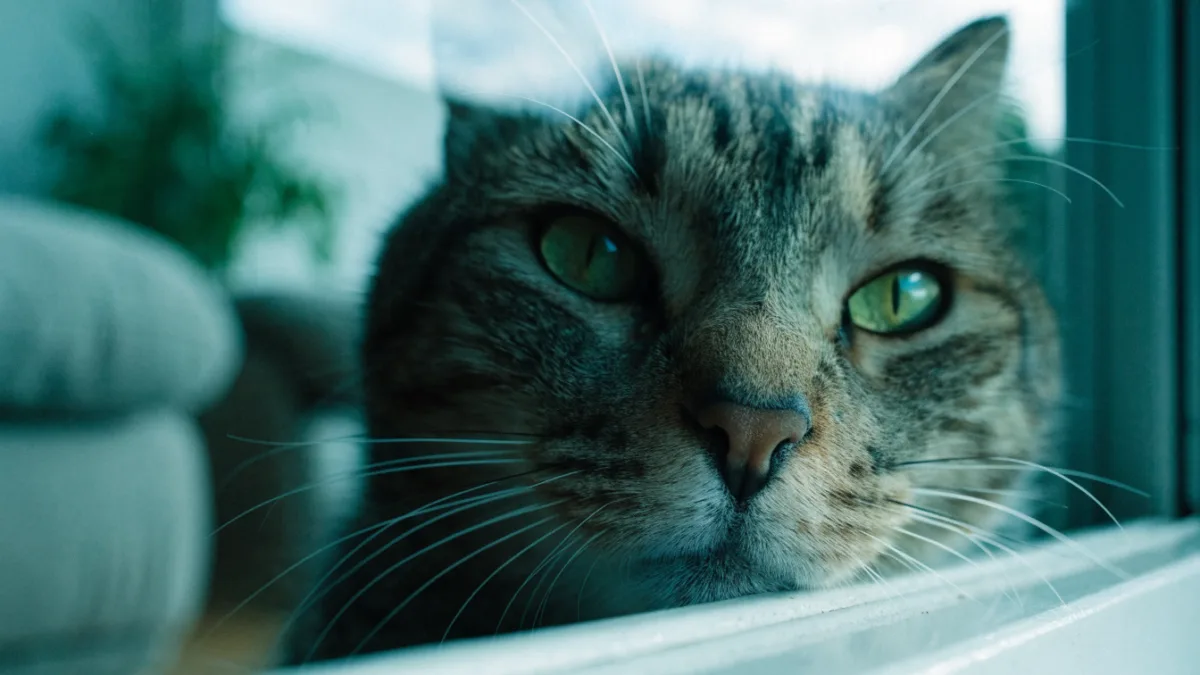
When Mochi decided to reorganize my bookshelf at 3 AM last Tuesday, she knocked over a ceramic vase that shattered about six inches from where she was perched. She didn’t flinch. She looked at me like I was the one who’d done something wrong. And that’s when it hit me — this cat, who never goes outside, who eats the expensive food, who has never faced a predator larger than the vacuum cleaner — she’s not actually safe. She’s just differently at risk.
Most people I talk to about pet insurance split into two camps. Dog people nod knowingly because they’ve already paid for two surgeries and a riverbank incident. Cat people tilt their heads and say, “But she’s indoors. What could happen?”
Let me tell you what could happen.
The Myth of the Safe Indoor Pet
I used to think the same thing. Mochi lives in a climate-controlled apartment. She doesn’t encounter cars, coyotes, or the judgment of other cats at the park. Her biggest daily risk seemed to be napping too hard.
Then my friend’s indoor cat, Biscuit, swallowed a piece of ribbon. One emergency surgery later, my friend was holding a bill that could have funded a really nice vacation. Biscuit is fine now — dramatic about medication, but fine. The point is, indoor environments are full of hazards that we’ve stopped seeing because we live around them every day.
The research backs this up. Indoor cats genuinely do need coverage because they’re still susceptible to accidents and injuries — minor bumps, bruises, even broken ribs from bad falls, or deep lacerations from things you’d never think of as dangerous. That edge of the carpet you’ve been meaning to fix? The glass vase on the shelf? The hair tie your cat has been eyeing for three weeks? All potential vet visits.
Cats are also masters of concealment. They hide illness until it’s advanced, which means when you finally notice something’s wrong, it’s often more serious — and more expensive — than if you’d caught it early. A urinary blockage, which is common in male cats and can become life-threatening within hours, can cost thousands to treat. Mochi is a female, so her risk is lower, but the principle holds: indoor doesn’t mean immune.
Risk Profiles: Couch Panthers vs. Trail Buddies
The risk equation for cats and dogs looks completely different, and insurance companies know this. Your premiums reflect it.
The Indoor Cat Reality
Mochi’s risks are mostly domestic. She could fall off the refrigerator. She could eat something she shouldn’t. She could develop a chronic condition that requires ongoing medication. Her world is small, but it’s not risk-free.
The advantage here is that cat insurance tends to come with lower monthly premiums because the catastrophic risks are lower. You’re paying for the unexpected — not the inevitable. For most indoor cats, a major emergency is possible but not probable, and the pricing reflects that.
The Active Dog Reality
Active dogs face a different scale of risk entirely. If you have a dog who hikes, swims, goes to daycare, or just exists in a yard with other animals, the exposure multiplies. Jake — my partner, who actually knows dog training, so I defer to him on this — likes to remind me that dogs encounter the world with their faces first.
Dogs face risks from interactions with other animals, vehicles, environmental hazards like toxic plants or contaminated water, and just the general chaos of being outdoors. A foxtail in the wrong place. A rolled ankle on a trail that’s actually a torn ligament. A scuffle at the dog park that turns into an abscess. Their insurance premiums reflect all of this. An active dog’s policy costs more because the odds of something happening are genuinely higher.
What Insurance Actually Covers (And What It Doesn’t)
Here’s where it gets real. Standard pet insurance policies are primarily designed for unexpected injuries and illnesses. That’s the core product. Everything else is layered on top.
What’s typically covered:
- Emergency veterinary visits
- Surgeries and hospitalization
- Diagnostic tests and imaging (X-rays, ultrasounds, bloodwork for illness)
- Treatments for infections, diseases, and acute conditions
- Accidents — everything from a swallowed sock to a torn ACL
What’s not typically covered without paying extra:
- Routine wellness exams and annual checkups
- Vaccinations and booster shots
- Dental cleanings (non-disease-related)
- Preventative medications like flea, tick, and heartworm prevention
- Spay and neuter procedures
- Grooming and behavioral training
This wellness exclusion frustrates a lot of pet owners — and honestly, I get it. You pay a monthly premium and then still pay out of pocket for the basic stuff. The industry expects you to purchase add-on riders for preventative care, which increases your monthly cost. Some providers are pushing education campaigns right now to help owners understand this distinction before they enroll, which is a step in the right direction. But the fundamental structure remains: standard insurance is for emergencies, not maintenance.
The way I think about it: pet insurance is catastrophic coverage, not total coverage. You’re protecting against the $3,000 emergency surgery, not the $150 annual exam. If you understand that going in, the value proposition makes more sense.
The Age Factor: When Math Gets Painful
This is where the cost-benefit analysis gets uncomfortable, especially for dog owners.
Pet insurance premiums rise as pets age. This makes sense from an actuarial standpoint — older pets have more health issues. But for owners, it means the policy you could easily afford when your dog was two becomes a significant expense when they’re ten.
For dogs, this spike can be particularly steep because of age-related health risks. Large breeds especially tend to develop joint issues, cardiac problems, and cancers that require expensive treatments. A policy that cost $35 a month at age three might balloon to $90 or more by age nine. The insurance that seemed optional early on can become essential — and barely affordable — right when you need it most.
Cats age into higher premiums too, but the trajectory is often gentler. Indoor cats who avoid accidents and infectious diseases can stay remarkably healthy well into their senior years. Mochi is five now, and her premium is still very manageable. The trick with cats is enrolling them young, before any pre-existing conditions lock you out of coverage for the conditions most likely to develop later.
And that’s the universal rule, really: whatever species you’re insuring, do it early. Pre-existing conditions are the dealbreaker in pet insurance. Once a health issue is documented in your pet’s records, no policy will cover it — and “documented” can mean a single mention in a routine vet visit. Enrolling a young, healthy pet locks in coverage before those conditions appear.
Choosing Without Losing Your Mind
The pet insurance market has expanded significantly in recent years. Providers are actively competing for customers now — and they’re particularly targeting indoor pet owners who’ve historically skipped insurance altogether. This means you have options, and you should use them.
When comparing policies, don’t just look at the monthly price. A cheap policy with low reimbursement caps and strict exclusions might cost you more in the long run than a slightly pricier policy that actually pays out when you need it. Here’s what actually matters:
- Deductible options — and whether they reset annually or per-incident
- Reimbursement percentage — typically ranges from 70% to 90% of the vet bill
- Annual coverage limits — some policies are unlimited, others cap at specific amounts
- Waiting periods — how long before coverage kicks in after enrollment
- How pre-existing conditions are defined — some providers distinguish between curable and incurable, others don’t
Take time to compare what different providers offer and how their policies match your specific pet’s risk profile. An indoor cat policy should look different from a working dog policy, and good providers recognize this. Read the actual policy documents, not just the marketing pages. The marketing page tells you everything is covered; the policy document tells you what isn’t.
The Bottom Line
Mochi is insured. Her monthly premium is less than what I spend on coffee. And after Biscuit’s ribbon incident, after hearing about the bills from friends with senior dogs, after doing the math on what an emergency surgery actually costs in my area — I genuinely don’t understand why more indoor cat owners skip it.
The debate about whether indoor pets need insurance is really a debate about risk tolerance. If you have thousands of dollars set aside specifically for emergency veterinary care and you’re disciplined about not touching it for anything else, maybe you can self-insure. Most of us can’t. Or won’t. Or don’t realize we can’t until we’re standing at a vet counter with a sick animal and a quote that makes our stomach drop.
Insurance isn’t about expecting disaster. It’s about not having to make an impossible financial decision when something goes wrong. Indoor cats aren’t safer — they’re differently at risk. Active dogs aren’t reckless — they’re more exposed. Both deserve the same safety net.
And here’s the bigger picture worth holding onto: responsible pet ownership means planning for the unexpected. That planning keeps pets in homes rather than surrendered to shelters when vet bills become unmanageable. Shelters and rescues are already stretched thin. When we invest in our pets’ health coverage — whether they’re adventure dogs or professional window-watchers — we’re not just protecting our own animals. We’re reducing the strain on a system that’s trying to help every animal find and stay in a home. That’s the real takeaway here: care isn’t just an individual choice. It ripples outward.