

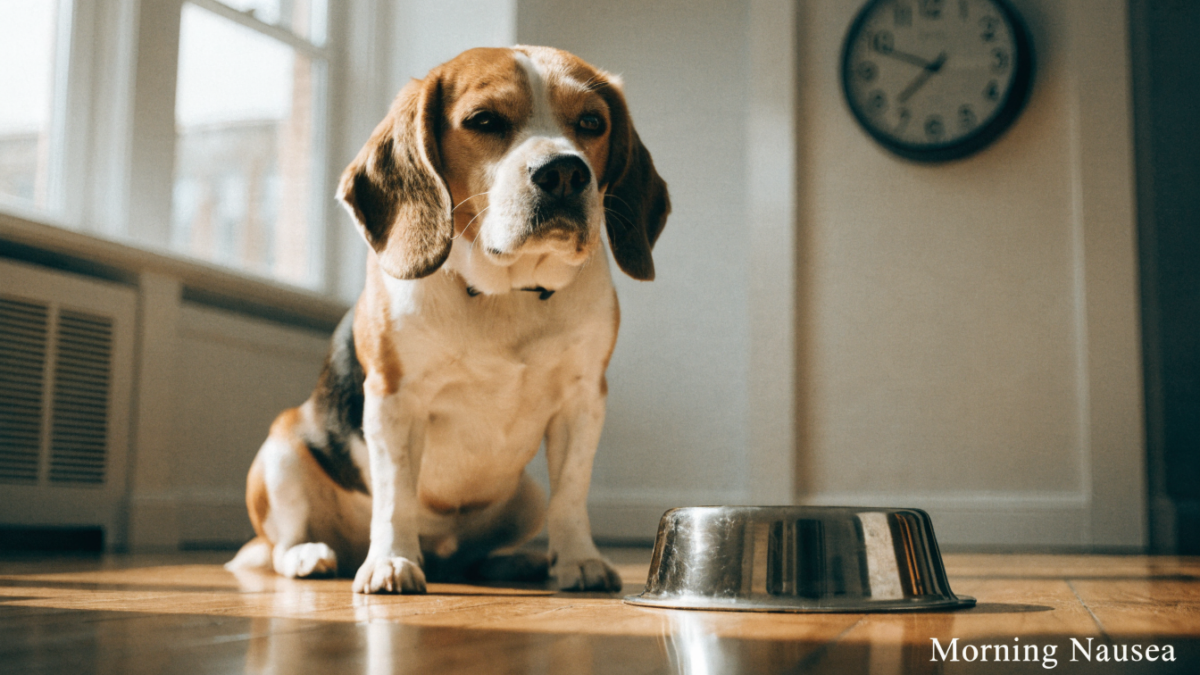
When Mrs. Hennessy walked into my exam room with her eight-year-old Border Collie mix, Tucker, she looked exhausted. “He’s thrown up four times this week,” she told me, “always around five in the morning, always this weird yellow foam. And then he eats his breakfast like nothing happened.” She’d been thinking it was the food. She’d switched Tucker’s kibble three times in two months. Nothing changed. After a thorough exam, some blood work, and a long conversation about Tucker’s daily routine, I told her the problem probably wasn’t the food at all. It was the clock. Tucker was experiencing something called bilious vomiting syndrome, and once we understood what was actually happening in his stomach, the fix was remarkably simple.
What That Yellow Stuff Actually Is
Let’s start with the basics, because understanding bile is the key to understanding this whole frustrating saga. Bile is a yellowish-green, sometimes frothy digestive fluid produced by your pet’s liver and stored in the gallbladder. When your dog or cat eats, bile gets released into the small intestine to help break down fats. Pretty straightforward so far.
But here’s where things get interesting. Your pet’s body continues to produce and release bile into the digestive tract even when nothing’s coming in. It’s like a factory that doesn’t entirely shut down just because there’s a gap in the supply line. And when that stomach is completely empty for a long stretch, that bile can actually flow backward. It refluxes from the intestine back up into the stomach.
This is where the trouble starts. Bile is caustic. It’s acidic and harsh by design, because it’s meant to do serious digestive work in the intestine. When it lands in an empty stomach, it irritates the stomach lining, what we in veterinary medicine call the gastric mucosa. That irritation triggers inflammation, technically gastritis, which sets off the urge to vomit. The body is essentially trying to expel an irritant that shouldn’t be sitting there.
What comes out is usually a pool of yellow or greenish-yellow liquid, often frothy. And here’s the telltale sign that separates this from garden-variety dietary vomiting: there’s no food in it. No undigested kibble, no partially digested meal. Just bile. That’s because the stomach was already empty when the bile arrived.
The Empty Stomach Problem
Bilious vomiting syndrome is a chronic, intermittent condition. It doesn’t happen once and disappear. It also doesn’t happen every single day like clockwork, which can make it maddening to figure out. What it does do is follow a pattern, and timing is the biggest clue.
The vomiting almost always happens after the longest stretch of fasting in your pet’s day. For most pets, that means late at night, very early in the morning, or right before a scheduled meal. If you feed your dog once a day at six o’clock in the evening, that means by four or five the next morning, their stomach has been empty for ten or eleven hours. That’s plenty of time for bile to accumulate, irritate, and trigger a bout of vomiting.
I see this constantly in my practice, especially in middle-aged and older dogs who are fed only once daily. Tucker, the Collie I mentioned? He was eating one large meal at 6:30 PM and nothing else. By the time 5:00 AM rolled around, his stomach had been empty for over ten hours. Mrs. Hennessy was inadvertently creating the exact conditions that made him sick.
And this isn’t just a dog problem. Cats can absolutely suffer from bilious vomiting syndrome too. In fact, because cats are natural grazers, their digestive systems are designed to process multiple small meals throughout the day. When we feed them on rigid twice-a-day schedules or leave them without food overnight, it can really irritate their stomachs. I had a cat patient named Poppy, a sleek Russian Blue, whose owner reported the same pattern. Yellow vomit on the kitchen floor, three or four mornings a week, always before breakfast. Classic bilious vomiting syndrome.
Fixing It With Food, Not Medicine
Here’s the part that surprises most of my clients. The most effective treatment for bilious vomiting syndrome isn’t medication. It’s not a prescription diet. It’s not supplements or probiotics or anything you pour on top of their food. It’s simply changing when and how often your pet eats.
Smaller, More Frequent Meals
The first thing I recommend is splitting your pet’s daily food into smaller, more frequent meals. Instead of one large dinner, feed three or four smaller meals throughout the day. If your schedule doesn’t allow for midday feeding, even splitting the food into a morning and evening meal with a snack in between helps. The goal is to keep the stomach from being completely empty for hours on end.
The Bedtime Snack
This is the one that made all the difference for Tucker. I told Mrs. Hennessy to give him a small portion of his daily kibble right before bed, around 10:00 PM. That pushed his last meal closer to his morning wake-up time and shortened the fasting window. Within three days, the morning vomiting stopped entirely. She called me, half-laughing, and said, “That’s it? Just a bedtime snack?”
That’s often it. A small snack before bed can prevent the stomach from sitting empty for those critical overnight hours.
The Early Bird Breakfast
If the bedtime snack doesn’t completely solve things, the next step is to feed your pet the moment you wake up. Don’t wait until you’ve had coffee, checked your phone, or started the shower. Get food into that stomach immediately. The longer you wait, the longer bile has to irritate the stomach lining.
Dietary Fiber Considerations
For some pets, switching to a higher-fiber food can also help. Fiber slows digestion and keeps the stomach feeling fuller for longer. This doesn’t mean you need a prescription GI diet. Look for a food with a moderate to high fiber content from sources like beet pulp, pumpkin, or brown rice. Always transition gradually over seven to ten days to avoid creating a whole new stomach upset in the process.
I’ve Changed My Mind About Fasting
I want to address something that’s been shifting in the veterinary community, because it trips up a lot of well-meaning pet owners. For years, the standard advice for a vomiting pet was to fast them for twelve to twenty-four hours to “rest the GI tract.” I recommended this myself for years.
I’ve changed my mind, and the broader veterinary consensus is catching up. When a pet has bilious vomiting syndrome, fasting makes the problem worse, not better. You’re extending the empty window, which means more bile irritation, more vomiting. It becomes a cycle. The modern approach is the opposite: feed small, frequent, easily digestible meals that keep something in the stomach and prevent bile from accumulating.
Now, if your pet has acute vomiting from eating something spoiled or catching a stomach bug, that’s a different conversation. But for chronic, intermittent, empty-stomach vomiting, the old fasting advice doesn’t apply.
What About Free-Feeding?
This is a genuine debate in veterinary circles, and I’ll be honest about the trade-offs. Free-feeding, which means leaving a bowl of food out all day, essentially cures bilious vomiting syndrome overnight. The stomach never sits empty long enough for bile to accumulate.
But free-feeding has downsides. It can lead to overeating and obesity, especially in dogs who never learned self-regulation. It also makes it harder to notice when your pet stops eating, which is often the first sign of illness. In multi-pet households, free-feeding can create resource guarding and make it impossible to track who’s eating what.
I usually recommend a middle path. Scheduled, frequent meals work well for most households. Use an automated feeder if your schedule doesn’t allow you to be home for a midday meal. Some of my clients have had great success with programmable feeders that dispense a small portion at 2:00 or 3:00 AM, completely eliminating early-morning vomiting without requiring anyone to set an alarm.
When It’s Not Bilious Vomiting Syndrome
Not all yellow vomit points to this syndrome, and I want to be clear about when you should skip the schedule changes and head straight to your vet. The hallmark of bilious vomiting syndrome is that your pet feels fine otherwise. They’re bright, alert, eating normally, and back to their usual self within minutes of vomiting.
Red flags that point to something more serious include:
- Lethargy, depression, or hiding behavior that persists beyond the vomiting episode
- Diarrhea, especially if it’s bloody or accompanied by dehydration
- Refusal to eat even when the stomach should have settled
- Blood in the vomit, whether it’s bright red or looks like dark coffee grounds
- A swollen, painful, or bloated abdomen, which can be a medical emergency
- Vomiting that increases in frequency or severity despite schedule changes
If you see any of these signs, please don’t try to solve it with a bedtime snack. Call your veterinarian. These symptoms can indicate anything from pancreatitis to a foreign body obstruction to inflammatory bowel disease, and they need proper diagnostics.
A Word on Gut Health
One area that’s gotten a lot of attention in veterinary research lately is the gut microbiome, the complex community of bacteria and other microorganisms that live in your pet’s digestive tract. We’re learning that this microbial ecosystem plays a huge role in everything from nutrient absorption to immune function to mood regulation through what researchers call the gut-brain axis.
For pets with sensitive stomachs, daily probiotics are gaining traction as a complementary therapy. They may help strengthen the stomach lining, regulate transit time through the digestive tract, and reduce inflammation. I’ve added probiotics to the treatment plan for several pets with bilious vomiting syndrome, and for some, it seems to provide an extra layer of protection on top of schedule changes.
Look for a probiotic that specifies the bacterial strains it contains, ideally backed by veterinary research. The supplements marketed to humans aren’t always appropriate, because dogs and cats have different gut microbial profiles. Talk to your vet about what’s right for your pet, and never start a new supplement without checking first if your pet is on other medications.
The story I come back to is Tucker. Within a week of his schedule change, the vomiting stopped completely. Mrs. Hennessy told me she wished she’d known about this years ago, that she’d spent hundreds of dollars on different foods and supplements when the answer was simply a handful of kibble before bed. That’s the thing about bilious vomiting syndrome. It’s one of the most common, most frustrating things a pet owner can deal with, and it’s also one of the most fixable. If your pet is throwing up yellow bile on a regular basis and otherwise seems healthy, talk to your veterinarian about adjusting their feeding schedule. The solution might be simpler than you think.