

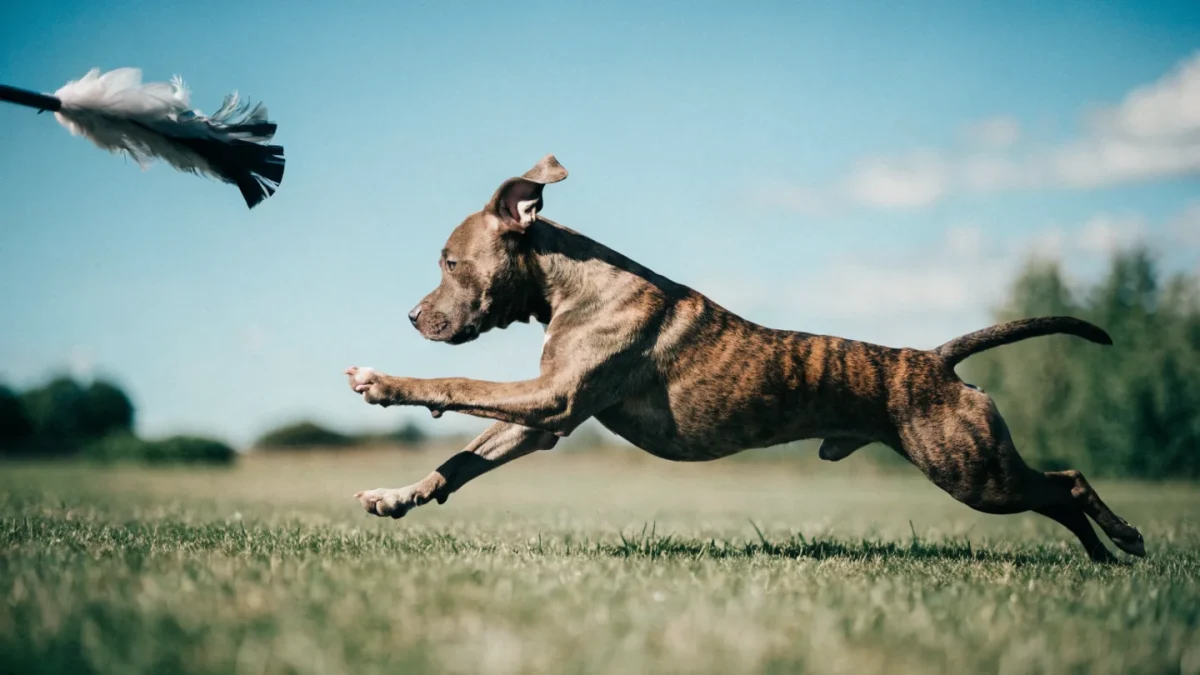
The American Pit Bull Terrier descends from dogs that were expected to perform at maximum intensity for sustained periods — whether that meant working livestock, pulling heavy loads, or competing in organized weight pulls. That heritage shaped a muscular, driven animal with stamina that surprises owners who misjudge the breed based on its compact frame. Understanding pit bull terrier exercise needs means understanding that this is an athlete, not a couch ornament.
Under-exercised pit bulls don't quietly tolerate boredom. They dig, chew, pace, and redirect their energy into whatever's available. Meeting the breed's exercise requirements isn't optional — it's the foundation of a well-adjusted dog.
How Much Is Enough
An adult American Pit Bull Terrier in good health needs 60 to 90 minutes of structured daily exercise. "Structured" means activity with purpose — not just time spent in a yard. Split across two sessions, a morning workout of 30 to 45 minutes and an evening session of similar length gives the dog both physical release and the mental reset of two distinct outings.
Young adults between one and three years are typically at peak energy. Dogs from athletic or working lines may need the higher end of that range. Senior pit bulls — roughly seven years and older — often remain active but tolerate shorter, less intense sessions. Adjust duration to the individual, not the breed average.
Puppies need careful calibration. The guideline of five minutes of structured exercise per month of age, twice daily, protects growing joints. A five-month-old gets about 25 minutes per session. Free play on soft surfaces is different from repetitive impact exercise on pavement — let puppies set their own pace on grass or dirt.
What Works
Flirt pole sessions. A flirt pole — essentially a long rod with a lure on a line — taps directly into the breed's prey drive and provides explosive bursts of sprinting, direction changes, and controlled catches. Ten to fifteen minutes of flirt pole work produces visible fatigue in most pit bulls. It also builds impulse control when the dog learns to sit and wait before chasing.
Weight pulling. The breed has a long competitive history in weight pull events, and the activity suits their muscular build and low center of gravity. Formal weight pull requires a proper harness and training progression, but even casual drag-sled work in the backyard channels the breed's desire to work against resistance.
Structured fetch and tug. Pit bulls play tug with commitment. A good tug session combines physical effort with the handler interaction the breed craves. Fetch works best when it includes obedience commands between throws — sit, down, wait, then release to retrieve.
Hiking and trail work. Varied terrain provides the sensory stimulation that flat-surface walking lacks. Pit bulls are durable trail companions with solid endurance on moderate-distance hikes. Keep dogs leashed in public areas — not because of breed-specific concerns, but because responsible leash management applies to every breed.
Obedience drills and trick training. Fifteen minutes of focused training tires the pit bull's brain in ways that physical exercise alone can't reach. The breed's eagerness to work with a handler makes training sessions genuinely productive. Short, varied drills beat long repetitive ones.
What Doesn't Work
Yard time without human involvement. A pit bull left alone in a fenced yard doesn't self-exercise in any meaningful way. It patrols, digs, barks at stimuli, and waits for you to come back. Yards are nice supplements. They're not exercise programs.
Dog parks as the primary strategy. The breed's play style — physical, intense, persistent — can be misread by other dogs and their owners. Some pit bulls do well in carefully managed group play. Many don't. The risk of escalation in an uncontrolled environment makes dog parks a poor primary exercise venue for this breed. One-on-one playdates with known, compatible dogs are safer and more productive.
Repetitive, mindless ball throwing. Fetch is fine as part of a routine. As the entire routine, it produces a physically fit dog that's still mentally under-stimulated. The breed needs variety and problem-solving woven into physical activity.
Signs of Insufficient Exercise
A pit bull that isn't getting enough activity tells you clearly:
- Destructive chewing — furniture legs, door frames, bedding
- Digging in the yard with visible determination
- Restless pacing, inability to settle indoors
- Mouthing or jumping on family members with escalating intensity
- Pulling hard on leash as if every walk is the first in weeks
These are not behavioral defects. They're a strong, intelligent dog telling you it needs more to do. The complete breed guide covers the temperament drivers behind this — the terrier persistence, the handler focus, the physical confidence that requires daily outlets.
Heat and Weather Considerations
The pit bull's short, single-layer coat provides minimal insulation in either direction. In cold weather, many pit bulls need protection during extended outdoor time — the breed tolerates cold less well than double-coated breeds. In heat, the short coat is an advantage, but the breed's intensity during exercise can push body temperature dangerously high. Avoid hard exercise during peak afternoon heat, provide constant water access, and learn to read signs of overheating: excessive panting, drooling, glazed eyes, and reluctance to continue.
The consistent theme: match the exercise to the dog's needs and the conditions, keep the brain engaged alongside the body, and remember that this breed was built to work. Give it work, and it'll give you the calm, settled companion the breed is capable of being. If you're still weighing whether this level of commitment fits your life, the honest ownership assessment covers the full picture.