

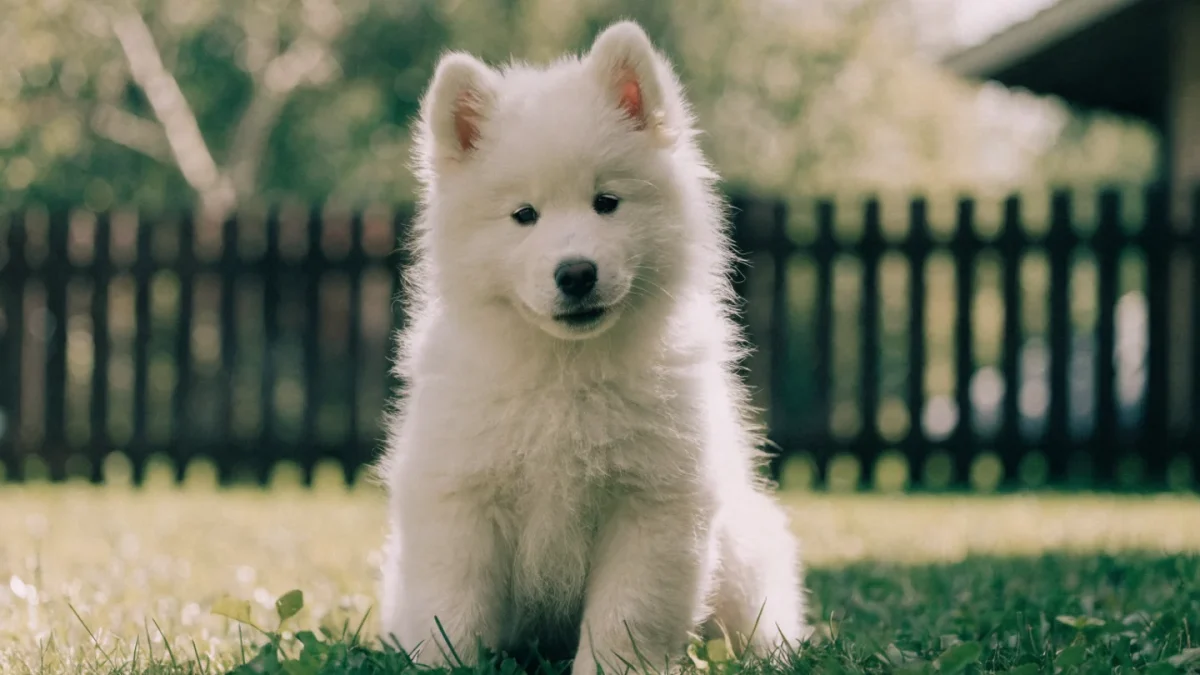
The Samoyed's striking appearance drives demand, and demand attracts breeders across the full spectrum of quality and ethics. At the responsible end: programs that screen for hereditary conditions, evaluate temperament, socialize puppies from birth, and scrutinize prospective owners carefully. At the other end: operations that produce photogenic white puppies with no health testing, no socialization plan, and no accountability for what happens after the sale.
The samoyed puppy buying guide that follows covers what separates the two — and why the breed's specific genetic health profile makes your diligence particularly important.
Health Testing That's Non-Negotiable
Samoyeds carry several hereditary conditions that responsible breeding programs screen for before producing a litter. These tests aren't optional extras — they're the minimum standard.
Hip evaluation. Hip dysplasia occurs in the breed at moderate rates. Both parents should have hip scores from a recognized evaluation program, assessed at two years of age or older. Ask for documentation with specific scores, not verbal assurances.
Eye examination. Progressive retinal atrophy (PRA) and other hereditary eye conditions appear in the breed. Both parents should have current ophthalmologist clearances. DNA testing for PRA-specific variants supplements the clinical exam and identifies carriers that may not yet show clinical signs.
Cardiac screening. Congenital heart conditions including pulmonic stenosis occur in Samoyeds. A cardiac evaluation by a veterinary cardiologist provides baseline clearance for breeding stock.
Hereditary glomerulopathy testing. This is the breed-specific test that makes Samoyed health screening particularly critical. Samoyed hereditary glomerulopathy is an X-linked kidney disease that affects males more severely than females. Affected males typically develop renal failure and die young — usually between three and fifteen months of age, as documented in the Texas A&M University research colony. Carrier females may show milder kidney involvement but can pass the condition to offspring. DNA testing identifies affected dogs and carriers. No Samoyed should be bred without known glomerulopathy status.
Ask for all documentation. Read the results. A breeder who produces paperwork without hesitation is demonstrating that testing was done as standard practice, not as a sales tool.
Evaluating Puppies
Samoyed puppies at six to eight weeks should be social, curious, and confident. The breed's characteristic friendliness should be visible early — puppies that approach unfamiliar visitors, investigate novel objects, and recover quickly from unexpected sounds are showing the temperament foundation you want.
Look for the puppy that:
- Approaches you willingly, even if with brief initial caution
- Recovers from unexpected stimuli within seconds rather than minutes
- Engages with littermates in balanced play — not the one that bullies and not the one that's consistently overwhelmed
- Shows interest in new surfaces, toys, and environmental features
The breed is naturally social, so a Samoyed puppy that is persistently fearful, withdrawn, or reluctant to engage with people is showing behavior outside breed norms — and that's worth attention.
A responsible breeder will have opinions about temperament matching. The higher-energy, more independent puppy may suit an experienced owner or a working/sport home who can meet the breed's substantial daily exercise demands. The calmer, more handler-focused puppy may suit a family environment. Let the breeder guide this conversation — they've watched these puppies develop daily and know things you can't assess in a single visit.
What to Observe at the Facility
Visit in person. No photographs, no video calls, no exceptions.
The dam should be present, healthy, well-socialized, and comfortable with visitors. Her temperament is your best predictor of adult personality in her puppies. If the mother is anxious, fearful, or aggressive toward strangers, those tendencies carry both genetic and developmental weight.
The environment should be clean, enriched, and social. Puppies raised with exposure to household sounds, varied surfaces, gentle handling, and regular human interaction during the critical socialization window between three and fourteen weeks develop better behavioral foundations than kennel-raised dogs with limited experience.
The breeder should ask you questions. Many questions. About your living situation, your work schedule, your experience with the breed, your plans for exercise and grooming, whether you've owned northern breeds before, and what attracted you to Samoyeds specifically. A breeder who doesn't screen prospective homes is not investing in outcomes.
Red Flags
- No health testing documentation. "They come from healthy lines" without test results to back it up is marketing, not evidence.
- No glomerulopathy testing. This is the breed's signature hereditary risk. Omitting it is disqualifying.
- Puppies available before eight weeks. Early separation from dam and littermates disrupts critical social development.
- Multiple litters always available. Volume production and careful health screening are fundamentally incompatible.
- Price premiums for specific coat characteristics. All Samoyeds are white to cream. If someone is selling "rare" color variants at elevated prices, the focus is on cosmetics rather than health and temperament.
- No return clause. A responsible breeder requires the dog to come back if you can't keep it at any point in its life. Breeders who don't offer this treat dogs as transactions.
- No interest in your lifestyle. The honest ownership assessment covers what makes someone suitable for this breed. A breeder who doesn't evaluate you against those criteria isn't protecting their dogs.
Adoption
Samoyed rescue organizations have dogs of all ages available. Adult Samoyeds in rescue come with known temperaments, some training, and behavioral histories that remove the uncertainty of puppyhood. You meet the actual dog rather than projecting an adult personality from a seven-week-old puppy.
The complete breed guide addresses the breed's characteristics comprehensively. Whether you buy from a breeder or adopt from rescue, understanding the full picture of Samoyed ownership — the grooming, the exercise, the noise, the companionship demands — matters more than the source of the dog.