

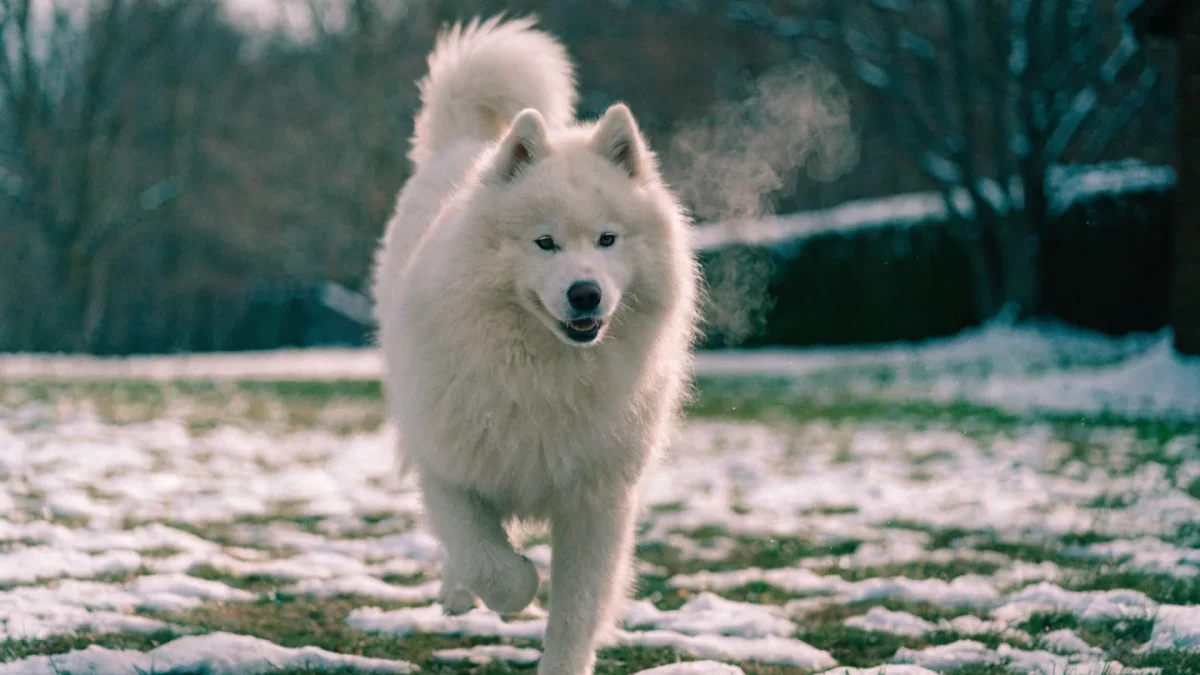
Samoyeds are the breed that people fall in love with on sight and surrender to rescue when the reality arrives. That white coat, the smiling face, the fluffy appearance that photographs beautifully — they attract owners who aren't prepared for what lives underneath the Instagram-ready exterior. The gap between the Samoyed's public image and its actual requirements is wider than with almost any other breed.
This assessment isn't designed to discourage you. It's designed to give you the information that prevents a bad decision — for you and for the dog.
What You're Signing Up For
Grooming. The Samoyed's double coat is spectacular and relentless. Thorough brushing three to four times per week is baseline maintenance. During the two annual coat blows — spring and fall — daily brushing sessions of 30 to 45 minutes become necessary. The volume of hair a Samoyed produces during a coat blow is genuinely startling. It collects on furniture, clothing, food, car seats, and in places you didn't know hair could reach. If a perpetually fur-covered household is a deal-breaker, this breed is not for you.
Exercise. Sixty to 90 minutes of structured daily activity. Not a casual stroll — real exercise that engages the breed's working drive. Hiking, pulling activities, structured play, training sessions. The complete breed guide covers the specifics. This commitment doesn't decrease until the dog reaches senior years. Year-round, rain or snow — especially snow.
Noise. Samoyeds are vocal dogs. They bark, howl, "woo-woo," and produce a conversational range of sounds that can be charming or maddening depending on your tolerance. Apartment living with noise-sensitive neighbors is a genuine problem. Training can moderate the volume but won't silence a breed that's been communicating vocally for thousands of years.
Companionship demands. The breed's temperament is rooted in thousands of years of living inside human dwellings. Samoyeds tolerate being alone very poorly. Extended daily absences — anything beyond four to five hours regularly — create distress that manifests as destructive behavior, vocalization, and deteriorating quality of life for the dog. If every adult in the household works full-time away from home with no midday break, this breed will suffer.
Heat sensitivity. The dense Arctic coat that makes the Samoyed stunning in winter photographs makes it vulnerable in hot climates. If you live somewhere with sustained summer temperatures above 30 degrees Celsius, you'll need climate-controlled indoor space, careful exercise timing, and constant vigilance about overheating. The breed can adapt to moderate climates but genuinely struggles in tropical or desert heat.
The Right Owner
A Samoyed is right for you if:
- You are home for most of the day or have reliable arrangements that prevent the dog from being alone for extended periods
- You can commit to 60 to 90 minutes of meaningful exercise daily, with extra enthusiasm for cold-weather activities
- You accept that your home, your clothes, and your car will contain dog hair at all times, and you're willing to groom multiple times per week with longer sessions during coat blows
- You're comfortable with a vocal dog that will bark, howl, and "talk" as a normal part of daily life
- You want a deeply social companion that wants to be involved in everything you do — cooking, working, sleeping, watching television
- You live in a climate where the dog can be comfortable, or you can provide adequate climate control
- You find the breed's independent streak endearing rather than frustrating — this dog will sometimes decide your command isn't worth following, and you need to find that acceptable
The Wrong Owner
This breed is not right for you if:
- You work away from home eight to ten hours daily with no midday break or dog care arrangement
- You want a quiet household — the Samoyed will not provide one
- You're looking for a low-grooming dog — the coat is a full-time project
- You live in a hot climate without reliable air conditioning
- You want a dog that follows commands precisely and reliably every time — the Samoyed's working independence means compliance is a negotiation, not an order
- You want a guard dog — the breed greets strangers with the same enthusiasm it reserves for family
- Your living situation prohibits barking — noise complaints are a documented reality of Samoyed ownership in shared-wall housing
- You prioritize a clean home over a hairy one — there is no version of Samoyed ownership where your couch stays white (even if the dog is)
The Financial Reality
Samoyeds are not inexpensive dogs to maintain. Beyond the acquisition cost — which tends to be significant for well-bred dogs — ongoing expenses include professional grooming if you can't manage the coat yourself, higher-than-average food consumption for their size, and veterinary care for breed-specific health predispositions. Hip dysplasia, progressive retinal atrophy, and hereditary glomerulopathy are among the conditions the breed carries. Budget for preventive screening and the possibility of treatment.
The Honest Bottom Line
The Samoyed is a magnificent dog that demands a specific kind of owner. Active, present, tolerant of mess and noise, and genuinely delighted by a dog that considers itself a full family member with opinions and a voice. If that description fits you, the Samoyed will give you a companion of extraordinary warmth, loyalty, and personality.
If any paragraph above made you pause, pay attention to that hesitation. The breed's beauty attracts many people whose lives aren't structured for what the breed needs. A Samoyed in the wrong home is a miserable animal — vocal, destructive, and anxious. A Samoyed in the right home is one of the most rewarding breed experiences available. The difference is entirely about honest self-assessment. If you're also weighing the Samoyed against the other major Siberian sled breed, the companion assessment Is a Siberian Husky Right for You? covers that question with the same framework — the differences in exercise intensity, independence, and household compatibility are significant.