

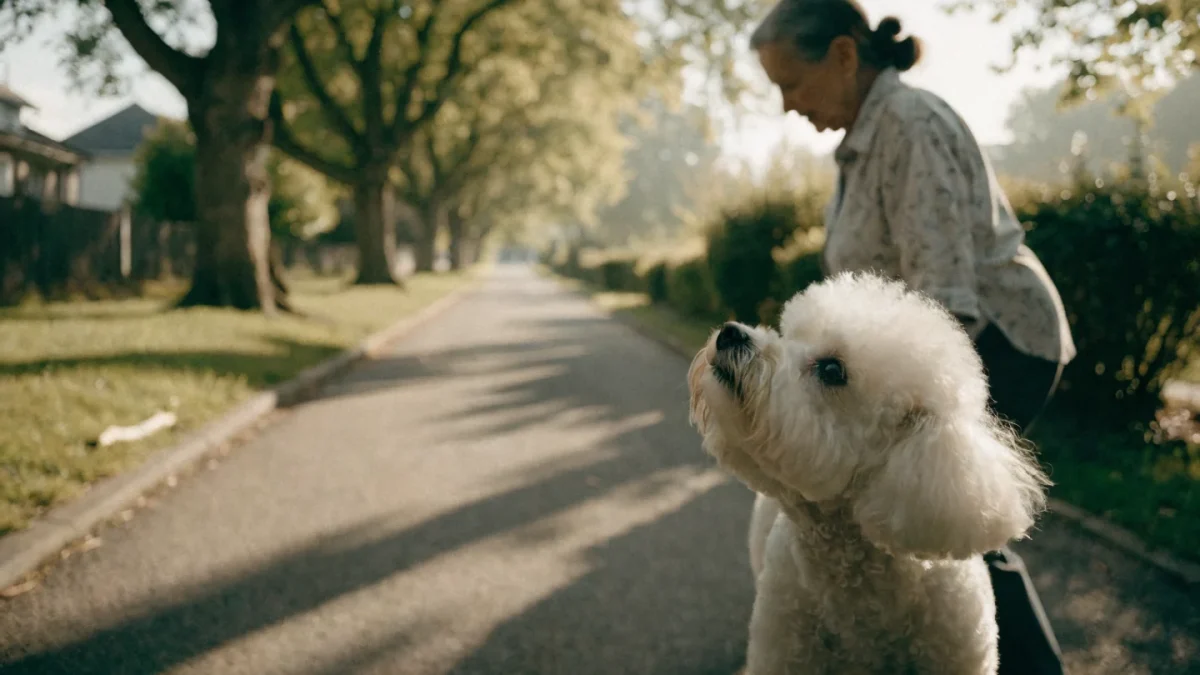
The question isn't "should seniors get a dog." The research on that is settled — the benefits are real, measurable, and consistent across study after study: lower blood pressure, more daily movement, reduced social isolation, better sense of purpose. Fine. But that conversation is almost never the useful one. The useful question is "which dog won't exhaust or outlive you" — and that's where most guides fail, because they either serve up the same five small fluffy breeds without explanation, or they ignore the hard stuff entirely.
A Golden Retriever is a wonderful dog. It will also pull a 70-year-old off their feet on a good day. A Siberian Husky is magnificent. It will redecorate your living room if you can't run it. A giant breed with a lifespan of 7 years will ask you to process grief at an age when grief is already hard enough. These aren't arguments against dogs — they're arguments for getting the right one. Here are seven breeds worth considering, chosen for compatibility rather than popularity.
The right breed for a retiree isn't the cutest or the most popular. It's the one whose needs align with what that specific person can realistically provide. Here are seven breeds that typically fit well — with the honest tradeoffs that come with each. For the broader decision-making framework, start with a complete guide to choosing the right breed.
1. Cavalier King Charles Spaniel
The Cavalier was bred for exactly this role — companionship in a domestic setting. They're empathetic to an almost uncanny degree, adjusting their energy to match their owner's. A Cavalier with an active owner will happily walk for 45 minutes. A Cavalier with a less mobile owner will contentedly sit beside them all day.
Why they fit seniors: At 5.4 to 8 kg, Cavaliers are easily managed physically. They don't pull hard on leash, they're gentle during handling, and they bond deeply with their primary person without developing destructive separation anxiety in most cases. Grooming is moderate — brushing two to three times weekly keeps the coat in good shape.
The tradeoff: Heart disease. Mitral valve disease is pervasive in this breed, and treatment costs escalate with severity. Syringomyelia is another serious concern. A senior on a fixed income needs to factor potential veterinary expenses carefully. For a complete profile of the breed's history and health considerations, see the Cavalier King Charles Spaniel breed guide.
2. Shih Tzu
The Shih Tzu has been a companion dog for at least a thousand years — originally for Chinese royalty, now for anyone who wants a small, affectionate dog that doesn't need to run marathons. At 4 to 7 kg, they're easy to lift, transport, and manage in any living space.
Why they fit seniors: Exercise needs are genuinely low — 20 to 30 minutes of walking daily is sufficient. Shih Tzus are sturdy for a toy breed, reducing fragility concerns. They're social without being demanding and adapt well to quiet households.
The tradeoff: Coat maintenance is the main commitment. A full coat requires daily brushing; a short clip still needs professional grooming every 4 to 6 weeks. They can be stubborn about house training, requiring more patience than some other small breeds. Brachycephalic to a mild degree — breathing issues are less severe than in pugs or bulldogs but still present in some individuals.
3. Bichon Frise
The bichon's cheerful, resilient personality makes it a natural fit for seniors who want a dog that's genuinely fun to live with. Bred as a companion in Mediterranean courts from at least the 1300s, the bichon combines low shedding with a happy, outgoing temperament that brightens daily routines.
Why they fit seniors: Bichons are 5 to 8 kg, easy to manage, and adaptable to various living situations including apartments and retirement communities. They shed minimally — their curly coat traps loose hair rather than depositing it on furniture. Exercise needs are moderate (30 minutes daily), and their social nature makes them excellent conversation starters on walks.
The tradeoff: That coat needs professional grooming every 4 to 6 weeks — it mats quickly when neglected. Bichons can develop separation anxiety and do poorly when left alone for extended periods. Some individuals are prone to dental issues requiring ongoing veterinary attention.
4. Pug
Pugs have been companion dogs since at least 400 BCE in ancient China, and their core purpose hasn't changed: be present, be entertaining, and don't require a five-kilometer run every morning. They're 6 to 8 kg of personality in a compact, manageable package.
Why they fit seniors: Pugs have among the lowest exercise requirements of any breed — 20 to 30 minutes daily is adequate. They're calm indoors, genuinely affectionate, and their small size means they're easy to travel with. They're social with visitors, which helps seniors who may have limited social interaction maintain connections.
The tradeoff: Brachycephalic syndrome is the major concern. Breathing difficulties, heat intolerance, eye problems (those prominent eyes are easily injured), and a tendency toward obesity are all breed realities. Snoring is constant and sometimes extreme. Veterinary costs for brachycephalic management can add up.
5. Miniature Schnauzer
For seniors who want a dog with more personality and alertness than the typical companion breed, the miniature schnauzer delivers. At 5 to 9 kg, they're small but not fragile, and they carry themselves with a confidence that makes them engaging to live with.
Why they fit seniors: Miniature schnauzers are adaptable, reasonably low-shedding, and maintain a moderate energy level that's satisfied with 30 to 45 minutes of daily activity. They're naturally alert, which means they'll let you know when someone's at the door — useful for seniors who value awareness of their surroundings. They're intelligent and respond well to training.
The tradeoff: That alertness comes with barking. Miniature schnauzers are vocal dogs, and some individuals bark at every sound. This can be managed with training but rarely eliminated entirely. They need regular grooming — hand-stripping or clipping every 6 to 8 weeks. They can also develop a stubborn streak that requires patient, consistent handling.
6. Pembroke Welsh Corgi
Corgis are herding dogs, which means they have more drive and energy than the other breeds on this list. But for active retirees — people who walk daily, enjoy training, and want a dog with real personality — a corgi can be an outstanding companion. At 10 to 14 kg, they're a manageable medium-small size.
Why they fit active seniors: Corgis are intelligent, trainable, and keep their owners mentally engaged. They need 40 to 60 minutes of daily exercise, which aligns well with a retiree's walking routine. Their herding background makes them attentive and responsive. They're social and confident in public settings.
The tradeoff: Corgis shed — heavily, year-round, with seasonal blowouts that are impressive for a dog their size. Their long spine makes them prone to intervertebral disc disease, and jumping on and off furniture should be minimized. They can be bossy if boundaries aren't maintained, and their herding instinct may manifest as heel-nipping with visiting grandchildren.
7. Havanese
The national dog of Cuba, the Havanese was developed as a companion for Havana's aristocratic families. At 3 to 6 kg, they're among the smallest breeds on this list but compensate with a robust, cheerful temperament that belies their size.
Why they fit seniors: Havanese are adaptable, affectionate, and genuinely easy-going. Their exercise needs are low to moderate (20 to 30 minutes daily), they're social without being hyperactive, and they travel well. They shed minimally, which suits seniors who prefer a cleaner living environment.
The tradeoff: Coat maintenance is significant if kept long — daily brushing or a shorter clip every 6 weeks. They can develop separation anxiety and truly struggle when left alone for long periods. Some individuals are slow to house-train, requiring persistence.
Practical Considerations for Senior Dog Owners
Beyond breed selection, these logistics matter:
Physical handling. Can you bend to attach a leash? Lift the dog into a car or onto an examination table? Manage the dog if it pulls suddenly? Physical reality should determine size limits honestly.
Fall risk. Dogs underfoot create tripping hazards. Small dogs that weave between legs and large dogs that lean against you both present risks. Choose a size and temperament you can navigate safely.
Long-term planning. A puppy adopted at age 70 may need care when you're 82 to 85. Consider an adult or senior dog whose remaining lifespan aligns more closely with your situation. Have a plan for the dog's care if your circumstances change.
Financial planning. Veterinary costs increase as dogs age — just as they do for humans. Budget for routine care, dental work, and potential emergency expenses. Some breeds on this list have significant health predispositions that affect lifetime veterinary costs.
For breeds that minimize daily upkeep across all age groups, see low-maintenance dog breeds.
Frequently Asked Questions
Should seniors get a puppy or an adult dog?
An adult dog between 2 and 5 years is often the better choice for most seniors. Puppies require intensive supervision, house training, and socialization that demands significant physical energy and time. Adult dogs from rescue organizations often come already house-trained, with known temperaments, and past the demanding puppy and adolescent stages. Senior dogs (7+ years) are another excellent option — they're calm, their personalities are fully formed, and they need exactly what most retirees can offer: a quiet, consistent home.
What if I can't walk long distances?
Focus on breeds with low exercise needs (20 to 30 minutes of light activity daily) and supplement with indoor mental stimulation — puzzle toys, short training sessions, and interactive play. Breeds like pugs, Shih Tzus, and Havanese can meet their physical needs with modest walks and indoor activity. A small, securely fenced outdoor area, even a patio, gives the dog access to fresh air and sunlight without requiring distance walking.
Are there health benefits to seniors owning dogs?
Research consistently shows that dog ownership in seniors is associated with increased physical activity, lower blood pressure, reduced feelings of loneliness, and in some studies, fewer physician visits. The daily structure a dog provides — regular walks, feeding schedules, grooming routines — can be particularly beneficial for retirees who struggle with the loss of routine after leaving the workforce. However, these benefits depend on the dog being a compatible match. A dog that causes stress, financial strain, or physical risk reverses those gains.