

Let me address the biggest misconception in this entire category upfront: there is no such thing as a truly hypoallergenic dog. The term gets used constantly in marketing, but it's scientifically misleading. The primary canine allergen — a protein called Can f 1 — is produced in a dog's saliva, urine, and sebaceous glands. Every dog produces it. The allergen attaches to dander (dead skin flakes) and hair, which then becomes airborne.
What low-shedding breeds offer is reduced dispersal. Less hair shed means fewer allergen-carrying particles floating through your home. That can make a meaningful difference for people with mild to moderate allergies. But if your allergies are severe, spending time with any specific dog before committing is essential — individual allergen production varies within breeds.
For the broader process of matching any health consideration to breed selection, start with the breed selection framework.
1. Poodle (Standard, Miniature, and Toy)
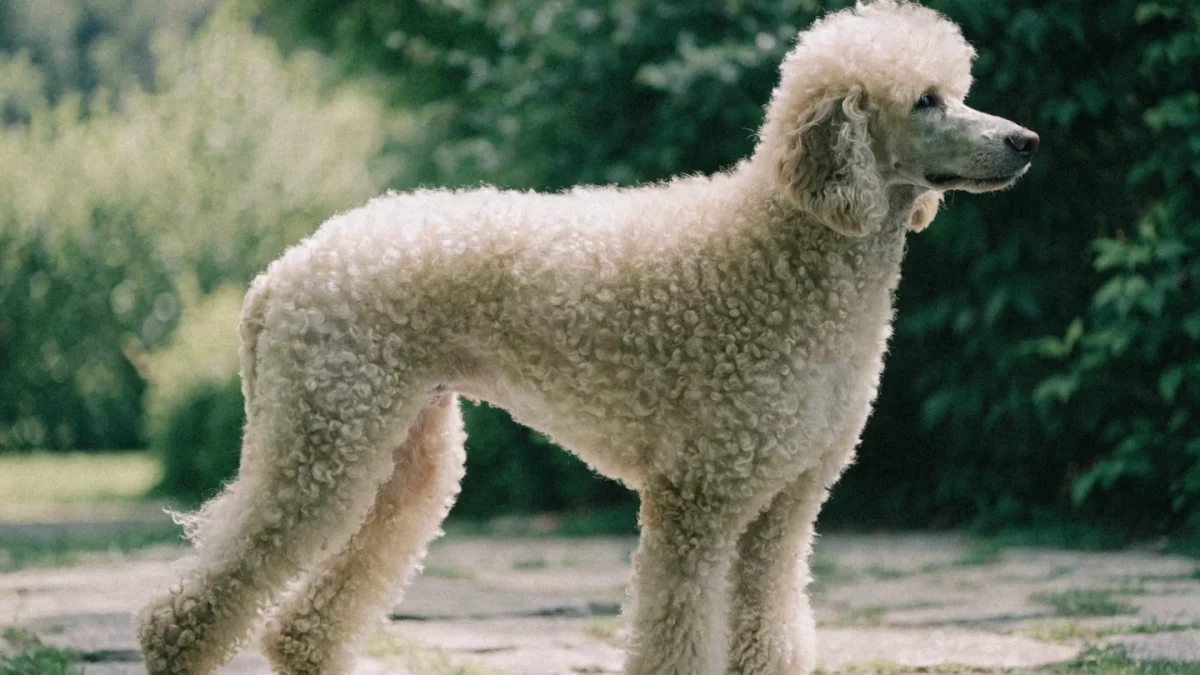
Poodles have a continuously growing, tightly curled coat that sheds minimally. Loose hair gets trapped within the curls rather than falling onto surfaces and becoming airborne. This coat type — technically hair rather than fur — is the gold standard for allergy-conscious owners. The Poodle's non-sporting group placement reflects how thoroughly it has transitioned from its retrieving origins into a companion and working dog role. For a full profile of the breed, see the Poodle complete breed guide.
Why they fit: All three poodle sizes offer the same coat advantage. Standards (20 to 30 kg) suit active households, miniatures (5 to 9 kg) work well for smaller spaces, and toys (2 to 4 kg) are ideal for low-activity environments. Beyond the coat, poodles are intelligent, trainable, and athletic.
The tradeoff: That coat needs professional grooming every 4 to 6 weeks without exception. Without it, mats form quickly and can cause skin irritation. Poodles are high-energy dogs (especially standards) that need significant mental and physical stimulation. The grooming commitment is a genuine ongoing expense.
2. Portuguese Water Dog
Developed to work alongside Portuguese fishermen, this breed has a dense, waterproof coat that either curls or waves — and sheds very little. At 16 to 27 kg, they're a medium-sized, athletic option for allergy-conscious owners who want an active companion.
Why they fit: Portuguese water dogs combine low shedding with a robust, adventurous temperament. They're excellent swimmers, responsive to training, and social with families. Their coat traps loose hair effectively.
The tradeoff: Exercise needs are high — 60 to 90 minutes daily. They're working dogs that become restless without adequate physical and mental stimulation. Coat maintenance requires regular professional grooming. They can be mouthy and exuberant as adolescents.
3. Bichon Frise
The bichon's double coat — a soft, dense undercoat beneath a coarser curly outer coat — traps shed hair within the coat structure. This makes them one of the lowest-shedding breeds available. At 5 to 8 kg, they're a manageable size for any living situation.
Why they fit: Bichons are cheerful, adaptable, and genuinely low-shedding. Their small size means less total dander production than larger breeds. They're social, non-aggressive, and moderate in their exercise needs.
The tradeoff: Grooming every 4 to 6 weeks is mandatory. Without regular brushing (daily is ideal), the coat mats painfully. Tear staining is common and requires consistent cleaning. Some individuals develop skin allergies of their own, creating an ironic parallel with their allergy-conscious owners.
4. Soft-Coated Wheaten Terrier
The wheaten's single, silky coat lacks the dense undercoat that produces heavy shedding in double-coated breeds. At 14 to 20 kg, they're a medium-sized terrier with an unusually gentle temperament for the group.
Why they fit: Wheatens shed minimally and produce less airborne dander than double-coated breeds of similar size. Their temperament is warmer and less scrappy than many terriers, making them suitable for families. They're active without being exhausting, needing about 40 to 60 minutes of daily exercise.
The tradeoff: That silky coat mats easily and needs daily combing plus professional grooming every 6 to 8 weeks. Wheatens have a notably enthusiastic greeting style — they jump. Consistently. Training modifies but rarely eliminates this tendency. They can develop protein-losing enteropathy and nephropathy, which are serious breed-specific health concerns.
5. Maltese
At just 3 to 4 kg, the Maltese has a floor-length silky white coat that sheds minimally because it's a single-layer coat with a hair-like growth cycle rather than the shedding cycle of fur-coated breeds.
Why they fit: Maltese are one of the smallest breeds available, which means less total allergen production. Their coat, while long, doesn't shed in the way double-coated breeds do. They're gentle, affectionate, and suited to quiet households.
The tradeoff: That white coat stains easily, particularly around the eyes. Grooming is intensive — daily brushing if kept long, or regular clipping to a shorter length. Maltese are fragile and not suited to households with young children or larger dogs that play roughly. Dental disease is common due to their small jaw structure.
6. Miniature Schnauzer
The miniature schnauzer's wiry double coat sheds minimally when maintained properly. At 5 to 9 kg, they're a sturdy, low-shedding option with more personality and drive than most companion breeds.
Why they fit: Schnauzers have a coat that, when hand-stripped or properly clipped, releases very little hair. They're alert, trainable, and adaptable to various living situations. Their moderate exercise needs (30 to 45 minutes daily) suit a range of lifestyles.
The tradeoff: The coat requires hand-stripping (for show-standard maintenance) or clipping every 6 to 8 weeks. Schnauzers bark — at visitors, at noises, at things only they can perceive. This is a breed trait, not a training failure. They can be territorial if not socialized well.
Managing Allergies Beyond Breed Selection
Even with a low-shedding breed, allergy management is a system, not a single decision. Regular bathing of the dog (every 1 to 2 weeks) reduces allergen load on the coat and skin. Air purifiers with HEPA filters reduce airborne dander. Keeping the dog out of bedrooms limits allergen exposure during sleep. Hard floors collect less dander than carpet. Washing hands after petting prevents face-touching transfer. These environmental controls, combined with a low-shedding breed, create the best outcome for allergy sufferers who want to live with dogs.