

Somebody at a reptile expo last spring asked me to name the single best beginner exotic pet, and I gave what I'm sure was an annoying answer: it depends on what kind of keeper you want to be. A leopard gecko is a terrible recommendation for someone who wants to watch an animal swim. A betta fish is a terrible recommendation for someone who wants to hold their pet. The "best" beginner species is the one whose specific demands line up with what you're actually willing to do every day.
The best exotic pets for beginners share a few traits: they tolerate a wider margin of error in husbandry than advanced species, they eat food you can buy easily, their enclosures don't require complex equipment, and there's enough established keeping information that you won't be guessing. Here's my ranked list, ordered by overall ease of care, with the real costs and caveats that "top 10" lists usually leave out.
1. Leopard Gecko
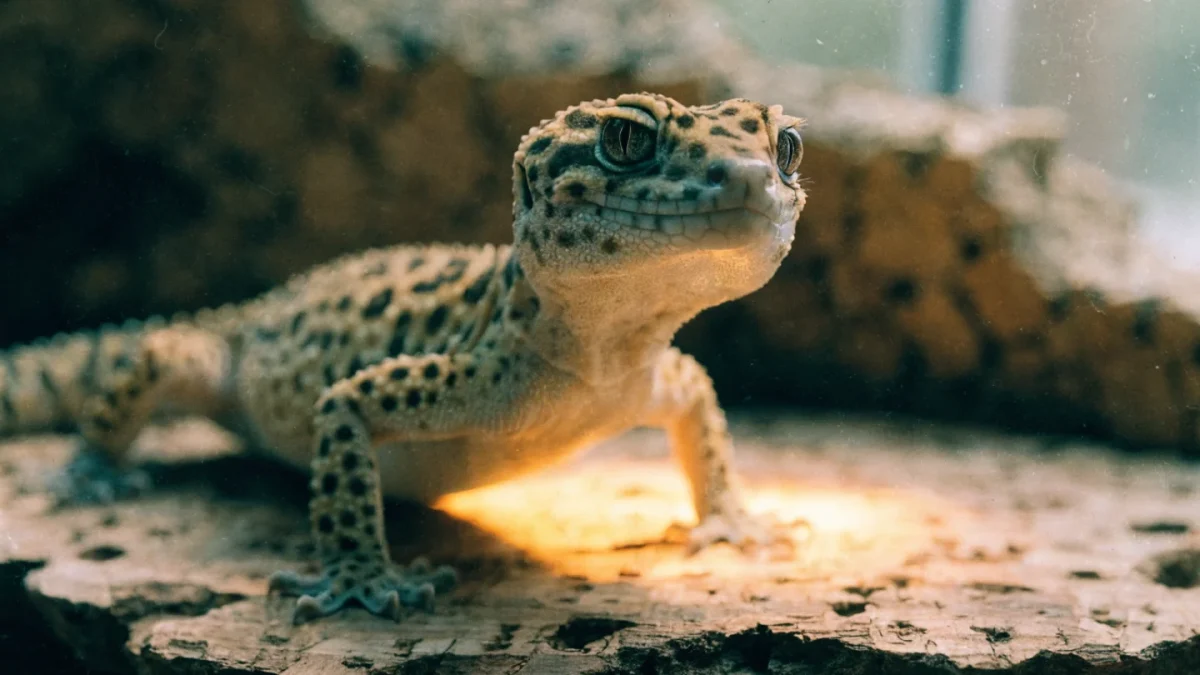
The consensus pick, and I won't argue with it. Leopard geckos (Eublepharis macularius) eat mealworms and dubia roaches, don't need UVB lighting (though low-level UVB does benefit them according to more recent research), and thermoregulate using a simple belly-heat setup with a thermostat. They're handleable after a short taming period, they're quiet, and they live 15-20 years — which is a commitment, but one that comes with a very manageable daily routine.
Setup cost: roughly $150-250. Monthly food: $15-25. The biggest ongoing expense is feeder insects, and if you start a small dubia roach colony, even that drops substantially.
Where people go wrong: no thermostat on the heat mat. A heat mat without a thermostat is a burn waiting to happen. Fifty-dollar thermostat. Non-negotiable.
2. Crested Gecko
If live insects make you uncomfortable, this is your animal. Crested geckos (Correlophus ciliatus) eat a powdered diet mixed with water — no crickets, no roaches, no rodents. They need no supplemental heating in most homes (they prefer 22-26°C / 72-78°F), and their enclosure is a tall 18"x18"x24" arboreal setup that takes up minimal floor space.
They're nocturnal, so expect most activity in the evening. They can be handled but they're jumpy — they leap, and catching a crested gecko that's launched itself off your hand is a rite of passage. They also drop their tails if stressed, and unlike leopard geckos, the tail doesn't grow back. Purely cosmetic, but worth knowing.
One underrated advantage: crested geckos are essentially silent, odorless, and invisible to landlords. I've kept them in every apartment I've lived in.
3. Corn Snake
The starter snake. Corn snakes (Pantherophis guttatus) eat frozen-thawed mice, need a simple heated enclosure with a warm side and cool side, and are one of the calmest snakes you'll ever handle. They come in dozens of color morphs if aesthetics matter to you, and they max out at a very manageable 4-5 feet.
Setup: around $200-300. Monthly feeding cost is almost negligible — an adult corn snake eats one mouse every 10-14 days, and frozen mice are cheap. The main challenge is escape prevention. Corn snakes are legendary escape artists. If there's a gap in your enclosure lid, they will find it, and you will find the snake three days later inside your couch. Secure lid clips aren't optional.
I once got a panicked call from someone whose corn snake had been missing for two weeks. Found it in a boot in the closet, perfectly fine, slightly annoyed at being disturbed.
4. Ball Python
Close behind the corn snake, but slightly more finicky. Ball pythons (Python regius) are docile, beautiful, and have an incredible range of morphs. They also have a reputation for going off food for weeks or months for reasons that aren't always clear — seasonal, stress-related, or just because they've decided it's not eating season.
If a ball python's fasting habit would stress you out as a new keeper, start with a corn snake instead. Corn snakes eat like machines. Ball pythons eat like artists — only when the mood strikes. That said, a well-set-up ball python in the right humidity range (55-60%) with appropriate heat is a phenomenal first snake for someone prepared for the occasional hunger strike.
5. Betta Fish
The gateway aquatic pet, and I'll die on this hill: bettas are real pets, not decorations. A single betta in a heated, filtered 5-gallon planted tank is a genuinely rewarding animal to keep. They have distinct personalities — some are aggressive display fish, some are mellow swimmers, some learn to follow your finger along the glass.
Setup cost: $50-100 for a proper heated, filtered tank. Monthly cost: minimal, maybe $5-10 for food and water conditioner. The learning curve is the nitrogen cycle — you need to cycle the tank (establish beneficial bacteria) before adding the fish, which takes 4-6 weeks. Skip this step and ammonia burns will kill or sicken the fish.
If you're interested in a broader look at what species fit different lifestyles, there's a full decision guide for first-time exotic pet owners that covers the lifestyle audit most people skip.
6. Blue-Tongued Skink
Underrated. Blue-tongued skinks are the golden retrievers of the reptile world — calm, handleable, relatively forgiving of husbandry imperfections, and they eat a varied diet of vegetables, fruit, and protein (canned dog food works, which surprises people). They're one of the few reptiles that genuinely seem to enjoy sitting on your lap.
The downside: they're bigger than most starter reptiles, needing a 4-foot enclosure minimum. Setup cost is higher — $300-500. But their personality makes up for the space requirement if you've got room for them.
7. Hermit Crabs
Massively underestimated as a pet and massively mistreated in the pet trade. The boardwalk hermit crab in a painted shell with a sponge and gravel is an animal being kept badly. Properly kept hermit crabs need a heated, humid enclosure (26-28°C / 78-82°F, 70-80% humidity), several inches of substrate deep enough to burrow in, saltwater and freshwater dishes, and unpainted shells in various sizes. Done right, they're fascinating — social, active at night, and they can live over 20 years in captivity.
The irony is that a "properly kept" hermit crab setup costs more and requires more thought than the impulse purchase suggests. But once established, daily maintenance is about ten minutes.
8. African Dwarf Frogs
Fully aquatic, tiny, and entertaining. African dwarf frogs (Hymenochirus boettgeri) live in a simple heated aquarium, eat frozen bloodworms and pellets, and are fun to watch during their clumsy swimming and dramatic surface gulps for air. A 10-gallon tank houses a small group comfortably.
They're not handleable — they're purely a watch-and-enjoy pet. Perfect for someone who wants something alive and interesting on their desk without the feeding demands of a reptile.
The Honest Caveat
No exotic pet is zero-maintenance. Even the easiest species on this list needs consistent daily or weekly attention, a proper setup that costs more than the animal itself, and access to an exotic vet. The word "beginner" means the learning curve is shorter and the margin for error is wider — not that the animal takes care of itself.
Pick the species that matches your life. Set up the enclosure first. Run it empty for a week. Then bring the animal home. That sequence prevents about 90% of the problems I've seen new keepers struggle with.