

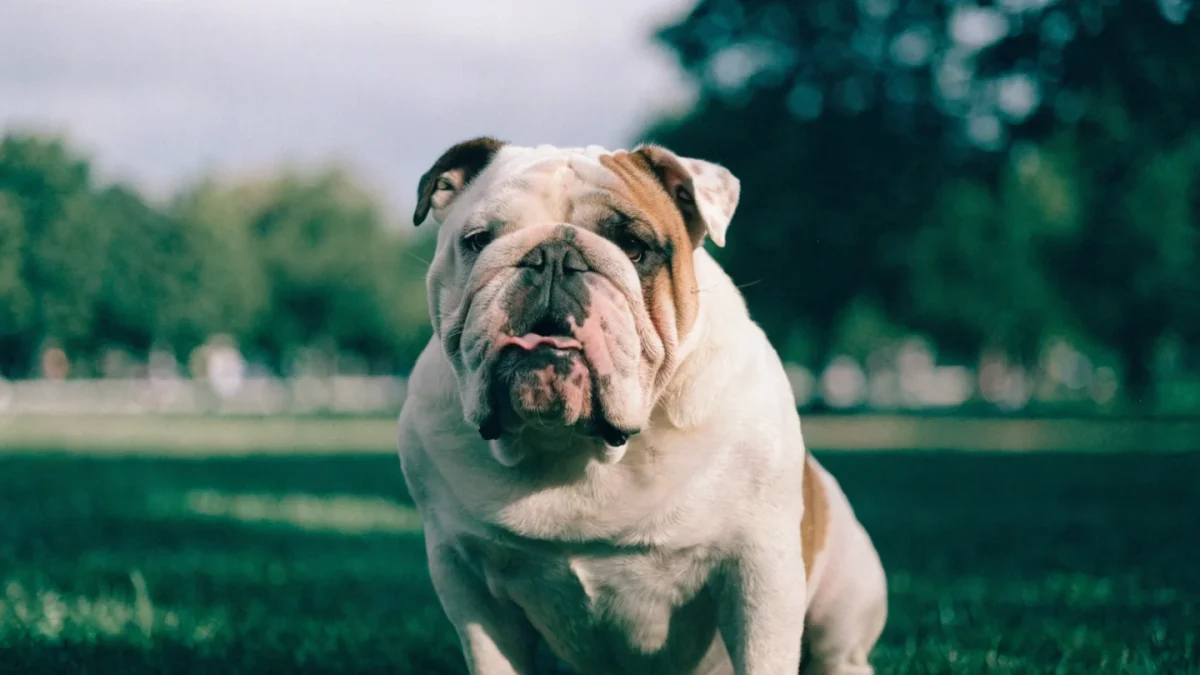
I examined a two-year-old French Bulldog named Mochi last month. Our respiratory health in dogs guide covers this in depth. Her owner said she'd been "a little noisy" since they got her as a puppy — the snoring, the snorting when she ate, the way she'd sometimes gag after getting excited. They thought it was just how Frenchies are. And in a sense, they weren't wrong. But when Mochi started having episodes where she'd stop playing, plant her legs, and gasp for air with her neck stretched forward, "just how she is" stopped being an adequate explanation.
Brachycephalic airway syndrome — sometimes called BOAS (brachycephalic obstructive airway syndrome) — is the medical term for the collection of anatomical problems that make flat-faced breeds work harder to breathe than dogs with normal skull proportions. It's not one problem. It's several, stacked together, and they tend to worsen over time.
What's Actually Going On Anatomically
The skull of a brachycephalic dog has been shortened through selective breeding, but the soft tissues inside haven't shrunk to match. The result is too much tissue crammed into too little space.
Stenotic nares are the most visible component — narrowed, sometimes slit-like nostrils that restrict airflow right at the entrance. Look at a healthy Labrador's nostrils, then look at a severe Bulldog's. The difference is immediately obvious. Some puppies have nares so tight they're essentially breathing through a straw.
Elongated soft palate is the most clinically significant component in most cases. The soft palate extends too far back and partially blocks the airway opening (the rima glottidis). Every breath pulls this flap of tissue into the airway, creating that characteristic snoring and snorting. During heavy breathing — from exercise, heat, or excitement — the obstruction worsens because the negative pressure from trying to inhale sucks the palate further into the airway.
Everted laryngeal saccules are small pouches of tissue near the larynx that get pulled inward by chronic negative airway pressure. They're a secondary change — the body's response to working too hard to breathe — and they add another layer of obstruction.
Hypoplastic trachea (an abnormally narrow windpipe) affects some brachycephalic breeds, particularly English Bulldogs. Unlike the other components, this one can't be surgically corrected. A normal dog's trachea-to-thoracic-inlet ratio is about 0.20. Some Bulldogs come in at 0.12 or lower.
The cascade matters. Stenotic nares and elongated soft palate increase airway resistance, which increases negative pressure with each breath, which causes the laryngeal saccules to evert, which further narrows the airway. Over years, chronic airway obstruction can lead to laryngeal collapse — and at that point, surgical options become limited.
Which Breeds Are Affected
English Bulldogs, French Bulldogs, Pugs, Boston Terriers, Pekingese, Shih Tzus, and Cavalier King Charles Spaniels are the most commonly affected dog breeds. Severity varies enormously — I've seen Pugs that barely snore and English Bulldogs that can't walk 50 meters without stopping.
Flat-faced cats aren't exempt.Persians, Himalayans, and Exotic Shorthairs have brachycephalic features too, though the syndrome is discussed less often in cats. Learn more about breed-specific health issues: what here. Their breathing difficulties tend to present more subtly — increased upper airway noise, snoring, and occasional open-mouth breathing during stress.
Breed variation within brachycephalic types matters too. Show-line Bulldogs with extremely shortened muzzles have more severe airway compromise than those bred for slightly longer noses. There's been a slow push in some breeding communities toward less extreme features, and from a medical standpoint, I'm all for it.
Recognizing When "Normal for the Breed" Isn't Actually OK
This is where I push back against the normalization of respiratory struggle. Stertor (loud snoring sounds while awake), stridor (a high-pitched wheezing from the larynx), exercise intolerance, and heat sensitivity are clinical signs, not personality quirks.
Signs that brachycephalic airway syndrome needs medical attention:
Your dog can't exercise for more than a few minutes without stopping to catch their breath. Sleep-disordered breathing — episodes where the dog seems to stop breathing momentarily, then startles awake with a gasp. Collapse or near-collapse during hot weather or excitement. Vomiting or regurgitation (common because the effort of breathing creates negative pressure that pulls stomach contents upward). Blue-tinged gums during exertion.
A colleague once told me she thinks of BOAS severity on a 1 to 10 scale. A 1 is a brachycephalic dog with minimal noise and normal exercise tolerance. A 10 is a dog that can't sleep lying down because the airway closes. Most brachycephalic dogs I see fall somewhere between 3 and 7, and many of them benefit from intervention.
Surgical Correction
Surgery for BOAS addresses the components that can be fixed — and for many dogs, the improvement is dramatic. For more about respiratory health in dogs, see our detailed guide.
Nares widening (rhinoplasty) removes a wedge of tissue from each nostril to open the airway entrance. It's one of the simplest and most effective interventions, and I often recommend it for puppies with severe stenotic nares during their spay or neuter procedure.
Soft palate resection (staphylectomy) trims the excess soft palate so it no longer obstructs the laryngeal opening. This requires general anesthesia and precise measurement — cut too little and the obstruction persists, cut too much and the dog has trouble swallowing.
Sacculectomy removes everted laryngeal saccules when they contribute to obstruction.
The best outcomes happen when surgery is performed early — before the secondary changes (saccule eversion, laryngeal collapse) develop. Waiting until a dog is in respiratory crisis means operating on a higher-risk patient with more advanced disease. I've performed corrective surgery on Bulldogs as young as six months when the obstruction was severe, and the before-and-after difference in breathing quality is something the owners notice within the first week.
Recovery from BOAS surgery requires careful monitoring because post-surgical swelling in the airway can temporarily worsen obstruction. Most patients stay in the hospital overnight, and some need temporary sedation to keep them calm and reduce airway inflammation.
Managing Brachycephalic Dogs Day to Day
Not every brachycephalic dog needs surgery. Mild cases can be managed conservatively, and even post-surgery dogs benefit from lifestyle adaptations.
Weight control is probably the single most impactful non-surgical intervention. Extra tissue around the throat and chest in an overweight brachycephalic dog compounds every anatomical problem they already have. I've seen dogs whose breathing sounds and exercise tolerance improved noticeably after losing just 10 to 15 percent of their body weight.
Heat avoidance is non-negotiable. Brachycephalic dogs can't thermoregulate efficiently because panting — their primary cooling mechanism — is compromised by their airway anatomy. On warm days, keep walks short and early or late, provide access to air conditioning, and never, ever leave a brachycephalic dog in a parked car. The margin for heatstroke is thinner in these breeds than in any others I treat.
Use a harness instead of a collar. Any pressure on the throat worsens airway obstruction.
Manage excitement levels when possible. I know — easier said than done with a Frenchie who turns into a tornado when visitors arrive. But the connection between excitement, increased respiratory effort, and airway crisis is real.
Frequently Asked Questions
At what age should BOAS surgery be done?
I prefer to evaluate early — around four to six months — and operate by six to twelve months for dogs with moderate to severe obstruction. Nares widening can be done during spay/neuter surgery since the dog is already under anesthesia. Soft palate resection is sometimes performed simultaneously or shortly after. The earlier the correction, the less time the airways spend under chronic strain, which helps prevent secondary changes like laryngeal collapse.
Can brachycephalic dogs fly safely?
This is genuinely risky, and several airlines have restricted or banned certain brachycephalic breeds from flying. The combination of stress, temperature fluctuations in cargo holds, and compromised breathing makes air travel dangerous for these dogs. If flying is unavoidable, cabin travel with the dog under the seat (if size permits) is safer than cargo. But honestly, I counsel most brachycephalic dog owners to explore ground transportation alternatives when possible.
My Bulldog snores — is that always a problem?
Not always, but I'd argue it's always worth evaluating. Mild snoring during deep sleep is at the lower end of the spectrum. Loud snoring that you can hear from another room, snoring that wakes the dog up, or snoring accompanied by intermittent pauses and gasps suggests significant obstruction. If you're unsure, video your dog sleeping and show it to your vet — recordings during sleep are surprisingly helpful for grading severity.
Are mixed-breed brachycephalic dogs (like Puggles) affected too?
Yes, though sometimes to a lesser degree. Crossbreeding a brachycephalic breed with a longer-muzzled breed can moderate the skull shortening, but it doesn't guarantee a normal airway. I've seen Puggle and Frenchton crosses with significant BOAS and others that breathe quite well. It depends on which parent's anatomy the puppy inherits.