

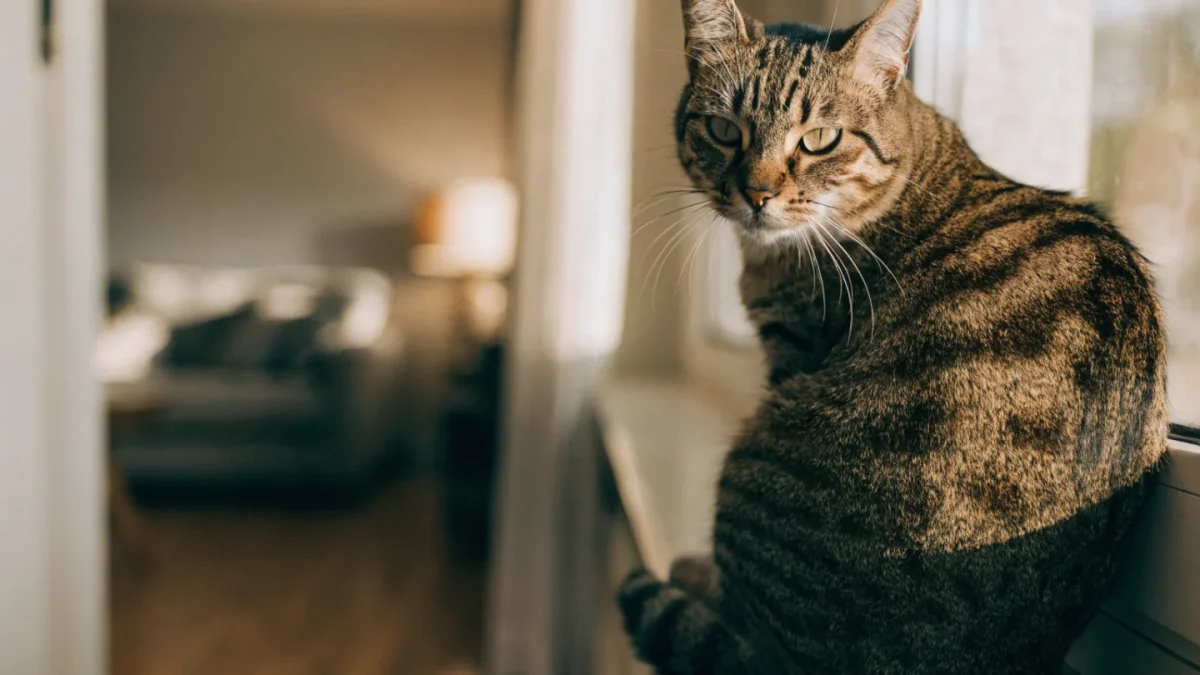
The phone call usually goes something like this: "She's been sneezing for three days and there's stuff coming out of her nose — is this an emergency?" My answer depends entirely on which animal we're talking about, what color the discharge is, and whether the pet is still eating.
Upper respiratory conditions are among the most common reasons pets visit my clinic, and the spectrum runs from "this will clear up on its own in a week" to "we need to figure out why this keeps happening." The challenge for owners is sorting out which end of that spectrum their pet sits on.
Coughing, sneezing, and nasal discharge all point to irritation or infection somewhere between the nose and the trachea. But the pattern of these symptoms — which ones appear together, how long they last, what makes them worse — tells me far more than any single symptom on its own.
Dogs vs. Cats: Different Vulnerabilities
Dogs and cats get upper respiratory conditions for overlapping but distinct reasons, and the way each species presents can look quite different.
Cats are overwhelmingly affected by two viruses: feline herpesvirus-1 (FHV-1) and feline calicivirus (FCV). Together, these account for roughly 80 to 90 percent of infectious upper respiratory disease in cats. Herpesvirus causes sneezing, nasal and ocular discharge, and sometimes corneal ulcers. Calicivirus often shows up with oral ulcers — painful sores on the tongue and gums that make eating difficult. Bacterial agents like Bordetella bronchiseptica, Chlamydophila felis, and Mycoplasma species can act as primary pathogens or pile on as secondary infections.
I had a foster kitten named Socks come through the clinic two winters ago — classic herpesvirus presentation with crusty eyes, green nasal discharge, and absolutely zero interest in food. By day three of treatment, he was eating again. But his sneezing never fully stopped, and it probably never will. That's the frustrating thing about FHV-1: once a cat is infected, the virus stays dormant in nerve tissue and can reactivate during stress.
Dogs deal with a different cast of characters. Canine infectious respiratory disease complex (CIRDC) — what most people call kennel cough — involves parainfluenza virus, Bordetella bronchiseptica, canine adenovirus-2, canine respiratory coronavirus, and sometimes Mycoplasma or Streptococcus. The hallmark is a dry, hacking cough that sounds like the dog has something caught in its throat. Nasal discharge is less prominent in dogs than in cats, though it happens.
Reading the Color of Nasal Discharge
I know it's not glamorous, but discharge color is genuinely diagnostic.
Clear, watery discharge in a sneezing pet is usually viral or allergic. It's the most common presentation and the one most likely to resolve without aggressive treatment. When that discharge shifts to yellow or green, bacterial involvement becomes more likely — either as the primary cause or as a secondary infection riding on top of a viral one.
Bloody nasal discharge changes the conversation entirely. Unilateral bleeding (one nostril) makes me think about foreign bodies — a blade of grass, a foxtail awn, a piece of food that went the wrong direction — or nasal tumors. Bilateral bloody discharge raises concerns about clotting disorders, severe infection, or systemic disease. A seven-year-old Labrador I saw last spring had intermittent bloody discharge from one nostril for about a month before the owner brought her in. CT scan revealed a nasal adenocarcinoma. Early detection matters with these.
Thick, mucopurulent discharge with a foul smell? That's suggestive of a dental root abscess draining into the nasal cavity, a foreign body that's been sitting there decomposing, or advanced infection. The smell is usually what finally drives the owner to seek help.
The Coughing Question
Coughs in pets aren't all created equal, and the sound gives me clues.
A dry, honking cough in a small dog — think Yorkies, Pomeranians, Chihuahuas — suggests tracheal irritation or collapse. It often gets triggered by excitement, leash pressure on the throat, or drinking water. In larger dogs, the same dry cough after boarding or a dog park visit screams kennel cough.
A wet, productive cough (you might hear rattling or see the dog swallow afterward) points toward lower brachycephalic airway syndrome involvement or fluid — pneumonia, bronchitis, even heart disease. The line between upper and lower respiratory conditions isn't always sharp, which is why I pay attention to cough character and progression.
Cats cough differently than dogs, and many owners don't recognize feline coughing at all. A coughing cat crouches low with its neck extended and makes a retching or gagging sound. It looks almost exactly like a cat trying to bring up a hairball. I've had many cats referred to me for "chronic hairball problems" that turned out to have asthma.
When Sneezing Becomes a Pattern
Occasional sneezing is normal — dust, allergens, a tickle in the nose. I sneeze too. But when a pet sneezes repeatedly throughout the day, when the sneezes come in clusters of five or ten, or when sneezing has been going on for more than a week, I want to investigate.
Acute-onset sneezing that doesn't let up, especially in a dog that was just outside, makes me suspect a nasal foreign body. Dogs can inhale grass awns and seeds that lodge in the nasal passages and cause intense, violent sneezing — sometimes with head shaking and pawing at the nose.
Chronic sneezing in cats that started after a URI as a kitten points to chronic rhinosinusitis. The initial infection damages the nasal turbinates (the delicate scroll-shaped bones inside the nose), creating an irregular surface that harbors bacteria and perpetuates inflammation. These cats can be managed but rarely cured, and I'm honest with owners about that expectation.
Treatment Approaches
For mild viral upper respiratory infections — clear discharge, sneezing, still eating and drinking — supportive care is often sufficient. Steam therapy (running a hot shower and sitting in the bathroom with your cat for 10 to 15 minutes), keeping nasal passages clean with gentle saline, and ensuring adequate hydration usually gets them through.
When bacterial infection is confirmed or strongly suspected, antibiotics are appropriate. But I've moved away from automatic antibiotic prescribing for every URI, especially in cats, because the majority are viral and don't respond to antibiotics. Using them anyway just contributes to resistance without helping the patient.
Antiviral options exist for feline herpesvirus — famciclovir has become my go-to for moderate to severe cases — and L-lysine supplementation is commonly recommended, though the evidence supporting lysine is honestly weaker than I'd like. I used to recommend it routinely, but I've pulled back and now suggest it mainly for cats that seem to respond to it individually.
For dogs with kennel cough, most cases are self-limiting within 10 to 14 days. Cough suppressants can help everyone sleep better, and I sometimes prescribe them to reduce throat irritation. Antibiotics only come into play if I see signs of secondary bacterial infection — fever, lethargy, colored discharge, loss of appetite.
Environmental modifications matter more than people realize. Air purifiers, eliminating aerosol sprays and strong fragrances, reducing dust, and keeping litter boxes impeccably clean can meaningfully reduce symptom flare-ups in chronically affected animals.
Frequently Asked Questions
Can my dog catch a cold from my cat (or vice versa)?
The major respiratory pathogens are species-specific. Feline herpesvirus won't infect your dog, and canine parainfluenza won't make your cat sick. Bordetella is one exception — it can cross species lines, though it does so infrequently. You also can't catch their respiratory infections, with extremely rare exceptions in immunocompromised individuals.
My cat's URI cleared up but the sneezing came back months later. Why?
Feline herpesvirus is a lifelong infection. After the initial illness resolves, the virus goes dormant in nerve ganglia and can reactivate during periods of stress — a move, a new pet, a vet visit, or even seasonal changes. Recurrent sneezing and mild discharge during these flare-ups is frustrating but manageable. It's one of those conditions where I tell owners: we're managing it, not curing it.
Should I keep my sneezing cat away from my other cats?
If the sneezing cat has active symptoms and your other cats haven't been exposed to the same viruses, yes — isolation helps. But honestly, if your cats have lived together for a while, they've likely already been exposed. The decision to isolate depends on your other cats' vaccination status and immune health. Kittens and elderly or immunocompromised cats are the ones I worry about most.
When should I take my coughing dog to the vet instead of waiting it out?
Wait-and-see is reasonable for an otherwise healthy adult dog with a new cough but no fever, normal appetite, and good energy. Give it about five to seven days. Bring them in sooner if the cough produces colored mucus, if your dog stops eating, becomes lethargic, develops a fever, or if the cough progressively worsens rather than plateauing. Puppies, senior dogs, and immunocompromised dogs get a shorter leash — I want to see them within a day or two.