

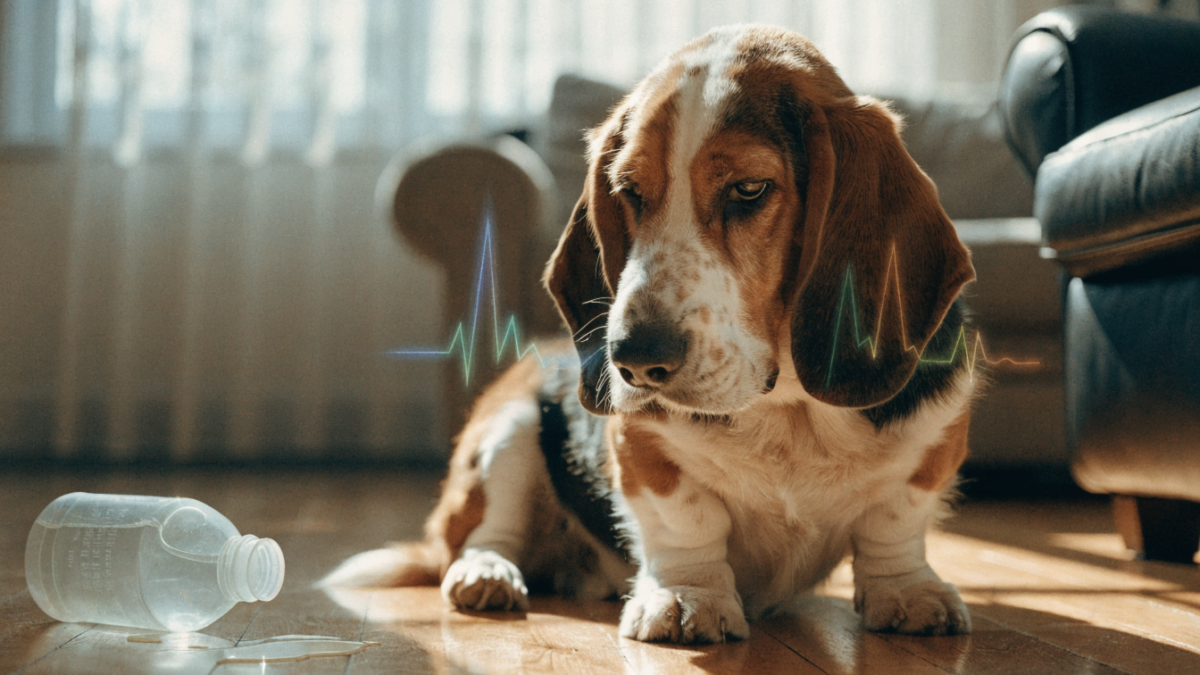
Picture a spring appointment: an owner named Maria brings her seven-year-old Golden Retriever, Cooper, into the clinic. She was embarrassed. “He just smells,” she said, apologizing as if it were her fault. “I’ve been bathing him every four days with a lavender-scented shampoo, and he still smells awful within hours.” She’d been doing this for two months. On examination, Cooper’s skin was angry, red, and flaking. His ears were thick with dark discharge. And that smell — sweet, musty, unmistakable — gave it away before anyone picked up an otoscope. Cooper didn’t have a grooming problem. He had a systemic yeast overgrowth triggered by seasonal allergies, and all that bathing had stripped away his skin’s natural defenses, making the infection dramatically worse.
I see versions of this story constantly. Owners reach for shampoo when they should be reaching for the phone to call their vet. Your dog’s scent isn’t something to mask or conquer. It’s a biological newsletter — a detailed, constantly updated report on what’s happening inside their body. Learning to read it is one of the most powerful diagnostic skills you can develop.
Why Dogs Are Built Around Scent
To understand why your dog’s natural smell matters so much, you have to appreciate how fundamentally their nose shapes their experience of the world. Dogs don’t just smell things — they essentially smell time. As hours pass, scent particles in any environment shift and fade in predictable patterns, which is how tracking dogs can follow a trail that’s hours or even days old. They’re reading a chemical timeline.
Functional MRI research has shown something that genuinely moved me when I first read it. When dogs in scanners are exposed to different scents, their caudate nucleus — the brain’s reward center — activates far more strongly when they smell their familiar human than when they smell food or even other dogs. Your scent is, quite literally, neurologically rewarding to your dog. It’s part of how they recognize you as family.
For dogs navigating low light, unfamiliar spaces, or simply making sense of their daily environment, smell is the primary sense for distinguishing surroundings and feeling oriented. When we layer artificial fragrances on top of their natural chemistry, we’re not just being annoying. We’re creating sensory interference in a creature whose entire worldview depends on olfactory input.
The Over-Bathing Trap
Here’s where I’ll admit something: I’ve changed my advice on this over the years. Early in my career, I’d casually tell owners to bathe their dogs whenever they got smelly. Then I started paying closer attention to the skin microbiome research coming out, and I realized how much damage frequent bathing actually causes.
Your dog’s skin is protected by a delicate acid mantle — a slightly acidic barrier made up of natural oils, beneficial bacteria, and antimicrobial peptides. This barrier keeps pathogens out and moisture in. Every time you bathe your dog, especially with harsh or heavily fragranced shampoos, you strip away part of that protective layer. The skin responds by overproducing sebum to compensate, which creates an oily, smelly coat within days. So the owner bathes again. The skin produces even more oil. The cycle accelerates.
That’s exactly what happened with Cooper. Maria wasn’t neglecting him — she was over-caring for him in a way that destroyed his skin’s ability to protect itself. The yeast took hold precisely because she’d removed the natural defenses that would have kept it in check.
What Healthy Dog Skin Actually Needs
Most healthy dogs need bathing every four to eight weeks, not every few days. When you do bathe them, look for products labeled as pH-balanced specifically for dogs — human shampoo is far too acidic and will damage their skin barrier. Seek out gentle, fragrance-free formulas or those designed to support the skin microbiome. The pet care industry is finally moving away from heavily perfumed soaps toward products that respect dogs’ natural chemistry, and that shift is long overdue.
Between baths, a simple wipe-down with a damp cloth or a rinse with plain water is usually enough to remove dirt and debris without disrupting the skin’s ecosystem.
Learning Your Dog’s Scent Language
Every dog has a baseline smell. You probably already know it, even if you’ve never thought about it consciously. That warm, slightly earthy, doggy-but-not-offensive scent is normal. What you’re watching for is change — a new odor that appears suddenly or a familiar one that intensifies dramatically.
Here’s a decoder guide worth keeping:
The “Frito Feet” Smell
If your dog’s paws smell like corn chips, that’s classic yeast. A mild version is common and often not a problem, but if it becomes strong or your dog is licking their feet obsessively, you’re likely looking at a fungal overgrowth — and yeast overgrowth on the skin almost always points to underlying allergies. Food sensitivities and environmental allergies are the usual culprits.
Musty, Sweet Ears
I had a patient last year — a four-year-old Cocker Spaniel named Daisy — whose owner noticed a pungent, almost fermented smell coming from her ears before she noticed any visible discharge. That early catch meant we treated the infection before Daisy’s eardrum was at risk. Ear infections produce a very distinct odor, and because dogs’ ear canals are long and L-shaped, infection can brew deep inside where you can’t see it. Your nose will often catch it before your eyes do.
Fishy Odor
That unmistakable fishy smell usually means the anal glands need attention. These small sacs on either side of the anus normally empty during bowel movements, but when they don’t — often due to soft stools, dietary issues, or allergies — they become impacted and produce that distinctive odor. If you’re catching this smell frequently, talk to your vet about your dog’s diet and fiber intake rather than just treating it as a grooming issue.
Sweet or Fruity Breath
This one warrants an immediate vet visit. Sweet, fruity breath can indicate ketone buildup, which happens when the body can’t properly process glucose — a hallmark of undiagnosed diabetes. I’d rather check a dog’s blood glucose and find it normal than miss early diabetes because the owner assumed the smell was just “dog breath.”
Ammonia or Urine-Like Scent
If your dog’s skin or breath carries an ammonia-like odor, it can signal kidney strain or a urinary tract infection. The kidneys filter waste products from the blood, and when they’re not functioning optimally, those waste products show up in places they shouldn’t — including the skin and breath.
The Behavioral Cost of Scent Masking
We don’t often think about the emotional impact of artificial scents on dogs, but it matters more than most people realize. Because dogs use smell to navigate their environment, recognize family members, and feel secure, flooding their world with strong fragrances can genuinely disorient them.
Animal behavior researchers have documented how unnatural scents in a dog’s environment — whether from cleaning products, perfumes, or scented grooming sprays — can alter behavior and increase anxiety. I’ve worked with dogs who seemed inexplicably stressed in their own homes until we tracked the problem to a new plug-in air freshener or a change in laundry detergent. Their noses were overwhelmed, and they couldn’t find the familiar scent signatures that told them they were safe.
When you mask your dog’s natural smell with perfumed products, you may also be confusing their sense of identity. Remember that caudate nucleus research — your dog recognizes you and their pack through scent. If everyone smells like vanilla-coconut body spray instead of themselves, that recognition system gets scrambled.
Listening With Your Nose
Your dog’s scent is one of the most accessible diagnostic tools you have. You don’t need any equipment, any training, or any special expertise to start paying attention to it. You just need to stop treating smell as an enemy and start treating it as information.
The next time you catch yourself reaching for a bottle of doggy perfume or scheduling an extra bath, pause. Ask yourself what’s actually causing the odor. Is it normal dog smell that simply doesn’t match your aesthetic preference? Is it a sign of something brewing under the skin that needs medical attention? Is your dog’s skin barrier already crying out for a break from over-bathing?
Cooper, by the way, is doing great now. We treated his yeast infection with appropriate medication, identified his environmental triggers, and put him on a simple bathing schedule — once every six weeks with a gentle, microbiome-supportive shampoo. Maria told me last month that he smells better than he has in years. Not because we found a better shampoo. Because we finally listened to what his body was telling us.
That’s the real lesson here. Your dog is communicating with you constantly, through channels you might not have considered. Their nose tells them about the world. Their scent tells you about their health. Honor both, and you’ll catch problems earlier, avoid unnecessary treatments, and build a deeper understanding of the remarkable creature sharing your home.