

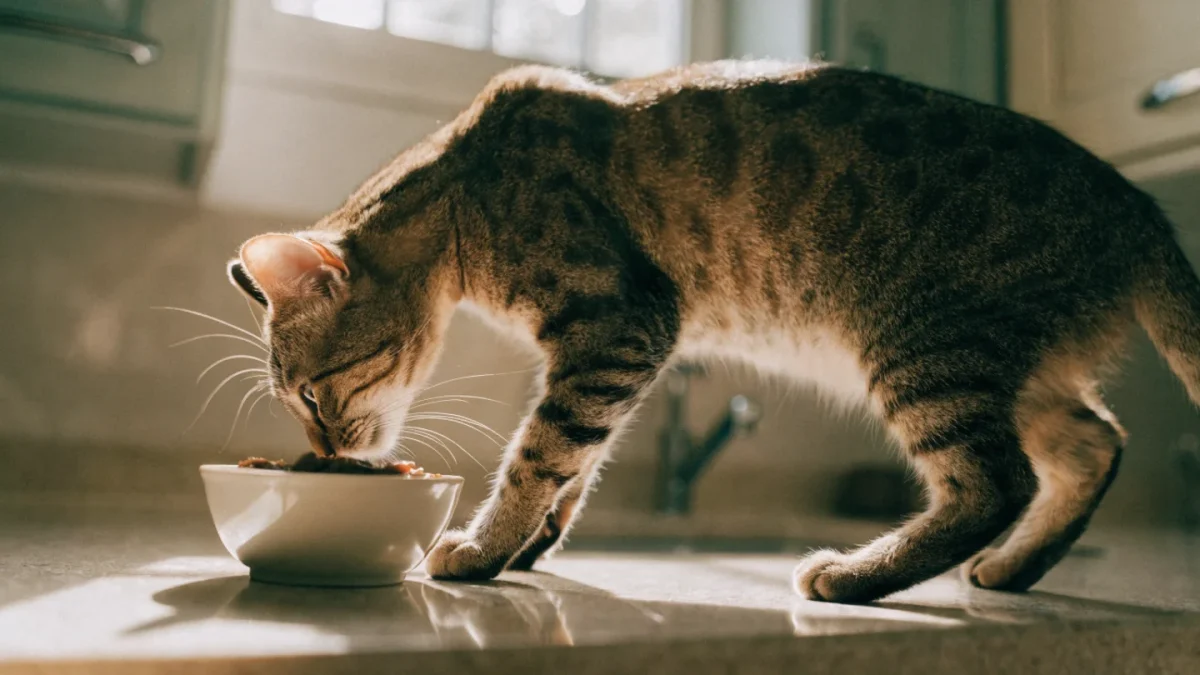
Cats are, in my experience, far less likely than dogs to eat something dangerous. They're cautious, often picky, and generally indifferent to the things that tempt a Lab into the trash. But when they do eat something toxic, they tend to handle it worse — because their livers are genuinely less equipped to process a wide range of foreign compounds.
Cats are obligate carnivores who evolved eating almost exclusively animal tissue. Their metabolic machinery reflects that. They lack certain liver enzymes that dogs and humans use to process plant compounds, medications, and various chemicals. This means things that a dog could eat in moderate amounts without serious consequence can be much more dangerous in a cat.
That said, the list of genuinely dangerous human foods for cats is more manageable than the dog version. Here's what actually matters.
Foods That Are Dangerous for Cats
Onions, garlic, and all allium vegetables. Cats are about five times more sensitive to allium toxicity than dogs. The organosulfide compounds in onions, garlic, leeks, shallots, and chives damage red blood cells, leading to hemolytic anemia. Unlike in dogs, where you might see a cat steal a bite of something onion-flavored occasionally without obvious acute effect, the cumulative damage is real. Baby food — which some owners use to encourage sick cats to eat — frequently contains onion powder. Always check the label.
Symptoms of allium toxicity in cats include lethargy, pale or yellowish gums, loss of appetite, rapid breathing, weakness, and collapse. These can appear 3-5 days after significant exposure, which makes the connection easy to miss.
Alcohol. Cats have virtually no tolerance for ethanol. A tiny amount — a few teaspoons for a small cat — can cause dangerous drops in blood sugar, body temperature, and blood pressure, followed by respiratory depression. This isn't a food most cats seek out, but alcohol-containing foods (desserts with rum, wine-soaked fruits, fermented items) can be attractive if something else smells appealing.
Xylitol. Less well-studied in cats than in dogs, but the potential for harm exists. In dogs, xylitol causes a life-threatening insulin surge; cats' sensitivity may differ, but I don't recommend testing the theory. Any sugar-free product — gum, baked goods, certain peanut butters, mouthwash, some medications — may contain xylitol. Keep these away from cats.
Caffeine. Coffee, tea, energy drinks, caffeine tablets, and some medications. Caffeine causes tachycardia, hypertension, tremors, and seizures in cats. The margin between "mild stimulation" and "dangerous" is narrower in cats than in humans.
Raw fish in large quantities. Cooked fish in moderation is fine for most cats. But raw fish — particularly raw freshwater fish like carp — contains thiaminase, an enzyme that destroys thiamine (vitamin B1). A cat fed large amounts of raw fish over time can develop thiamine deficiency, which causes severe neurological signs: loss of coordination, seizures, and if untreated, death. The "cats love fish" association is real; the idea that fish is a safe dietary staple is more complicated. For why too much tuna harms cats, including mercury concerns and nutritional imbalance, that's a hazard many owners don't anticipate.
Raw eggs. Cooked eggs are fine. Raw egg whites contain avidin, a protein that binds biotin (another B vitamin) and prevents its absorption. Regular consumption of raw eggs can cause biotin deficiency. Raw eggs also carry Salmonella risk.
Dog food as a long-term diet. Not acutely toxic, but nutritionally dangerous over time. Cat food and dog food are formulated differently because cats require nutrients — taurine, arachidonic acid, vitamin A, and niacin — that dogs can synthesize themselves but cats must obtain from food. A cat maintained on dog food develops taurine deficiency, leading to dilated cardiomyopathy and blindness. An occasional bite is not an emergency; making it a habit is genuinely harmful.
Raw dough with active yeast. Same concern as in dogs: expands in the stomach and produces ethanol. Cats are less likely to eat it, but the risk exists.
Dairy: A Special Note
Milk doesn't belong on a strict toxins list, but I include it because the cultural mythology around cats and milk is so persistent. Most adult cats are lactose intolerant. The digestive enzymes they had as kittens to process their mother's milk diminish after weaning. Cow's milk, cream, and ice cream cause vomiting and diarrhea in many cats. Not dangerous, exactly — but not the treat people imagine it is.
What's Different About Cats vs. Dogs
Dogs face their own distinct food hazards — grapes, macadamia nuts, large amounts of chocolate — that are either less studied in cats or less concerning. The areas where cats have it worse: allium sensitivity is significantly higher; their liver enzyme deficiency makes them more vulnerable to many compounds; and their grooming behavior means they can be poisoned by things on their coat, not just things they deliberately eat.
The lily situation is worth re-emphasizing here: certain true lilies (Easter lily, Tiger lily, Asiatic lily, Daylily) cause acute fatal kidney failure in cats, and even pollen on the fur can be enough. This isn't a food toxin, but it operates through similar urgency. If you have cats and lilies in your home, this is the change I'd make today. Read about why lilies are fatal to cats — it's one of those things every cat owner should understand.
When to Call
Unlike dog toxicity situations, where timing depends on the toxin, I'm fairly consistent with cats: if you're not sure whether something is dangerous, call. The ASPCA Animal Poison Control Center is 888-426-4435. Cats metabolize things differently enough that "it's probably fine" is a riskier assumption to make than with dogs.
If your cat ate something concerning and is showing vomiting, weakness, difficulty breathing, or anything that looks like neurological signs (wobbling, seizures, vacant staring), that's an emergency clinic visit, not a monitoring situation.
Frequently Asked Questions
Can cats have tuna as a regular treat?
Occasional canned tuna in water — not oil, not salt-heavy — in small amounts is fine for most cats. The problem arises with frequency and amount: high mercury load over time, nutritional imbalance, and the risk of "tuna addiction" where cats refuse other foods. Once or twice a week as a topper? Probably fine. Daily? I'd steer away from that.
Is chocolate dangerous for cats?
Cats aren't attracted to sweet flavors the way dogs are (they lack the sweet taste receptor), so chocolate ingestion is rare. But theobromine is still toxic to cats, and any significant chocolate ingestion warrants a call to poison control.
My cat stole a bite of my garlic bread. Should I be worried?
A single small bite of garlic bread is unlikely to cause significant harm in a healthy adult cat. Allium toxicity in cats tends to require more sustained or larger exposure. That said, if your cat seems lethargic, stops eating, or develops pale gums in the following days, that's worth a vet call. Monitor and don't make it a regular feeding habit.
Can cats have any human food safely?
Yes. Plain cooked chicken, turkey, fish, or beef without seasoning is generally fine in moderation. Plain cooked eggs are fine. Some vegetables like cooked carrots, peas, or pumpkin are generally safe in small amounts. The key words are "plain" and "moderation" — cats are obligate carnivores and thrive on properly formulated cat food, but sharing small amounts of plain protein isn't a problem.
I found my cat licking spilled coffee. Is that serious?
A lick or two from a spilled cup of drip coffee is likely to cause nothing worse than slight stimulation. Concentrated sources — coffee grounds, espresso, caffeine tablets — are a different matter entirely. If your cat ingested a meaningful amount of grounds or a concentrated caffeine product, call poison control.