

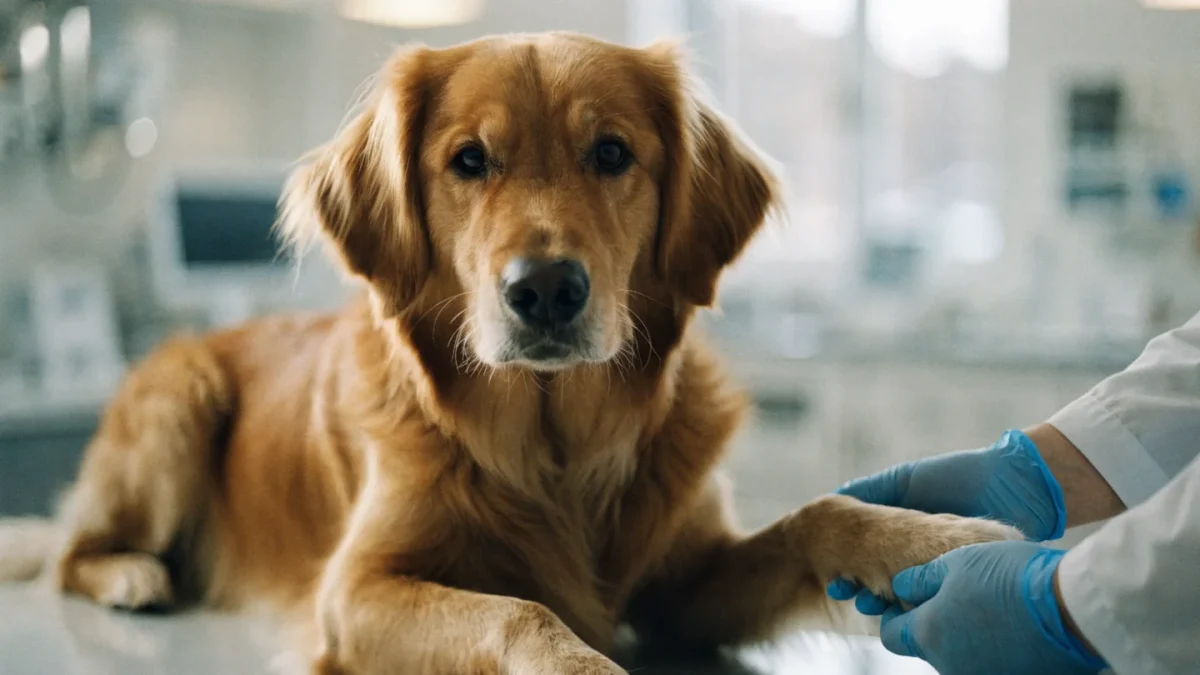
A panicked owner called her clinic at 7 p.m. on a Tuesday. Her five-year-old Labrador, Biscuit, had cut his paw on broken glass in the backyard. "There's so much blood," she said. "I don't know what to do." The vet on the phone walked her through it — firm pressure with a clean cloth, keep him still, don't let him lick it — and by the time she arrived, the bleeding had slowed significantly. What she did in those fifteen minutes genuinely mattered for his outcome.
That call is why I believe every pet owner needs to know the basics of first aid before an emergency happens. Not because you'll replace veterinary care — you won't. But because what you do in the first few minutes can be the difference between a good outcome and a devastating one.
The Most Important Thing First
Before anything else: don't panic.
I know that sounds impossibly trite when your dog is bleeding or your cat is limp. But panic leads to poor decisions — moving an injured animal wrong, attempting procedures you're not ready for, or forgetting to call ahead to the clinic so they can prepare. Take three seconds. Breathe. Then assess.
An injured pet is still a scared animal. Dogs in pain bite. Cats in distress scratch. Your first job is to protect yourself while keeping them calm.
Assessing Your Pet in an Emergency
I use the same basic ABC framework we use in human emergencies — Airway, Breathing, Circulation — adapted for pets.
Airway: Is it clear? If your pet is unconscious, extend the neck gently and look in the mouth for obvious obstructions. Don't go fishing around unless you can clearly see something. You can cause more harm than good.
Breathing: Watch the chest for movement. Normal respiratory rate is 10-30 breaths per minute for dogs, 20-30 for cats. Labored breathing — nostrils flaring, belly heaving, extended neck — is a red flag.
Circulation: Check the gum color. Pink and moist is normal. Pale, white, blue, or grayish gums mean something is seriously wrong — often shock or oxygen deprivation. Bright red gums can indicate carbon monoxide poisoning or overheating. Press your fingertip against the gums and release; color should return within two seconds (capillary refill time).
Do this assessment in under a minute. Then act.
Controlling Bleeding
Direct pressure is your best friend. Most owners apply pressure, see blood soak through the cloth, and panic-remove it to "check." Don't. Keep pressing. Blood soaking through doesn't mean it isn't working — it means the clotting process is happening underneath. Add more layers on top and keep steady pressure for at least five to ten minutes.
Tourniquets are a last resort for limb injuries where you genuinely cannot control hemorrhage. If you need one, use something two inches wide (a torn T-shirt strip, not a shoelace), place it above the wound, and note the time you applied it. Tourniquets cause tissue damage with time — this is a "get to the vet in the next thirty minutes" measure.
For head, neck, or torso wounds, there's no tourniquet option. Pressure dressings and urgent transport are your moves.
Minor cuts and scrapes — small enough that you'd put a bandage on your own finger — can often be cleaned at home. But any wound that won't stop bleeding within 10 minutes, is deep enough to see fat or muscle, or is on the face or near a joint deserves a vet visit.
Performing Pet CPR
CPR is for when your pet isn't breathing and has no heartbeat. Not for when they're unconscious but breathing. Not for when their heart is beating but they seem weak. It's specifically for cardiac and respiratory arrest.
For dogs:
- Lay them on their right side on a firm surface.
- Tilt the head back slightly to open the airway; check for obstructions.
- Close the mouth and breathe directly into the nose — just enough to see the chest rise. Two rescue breaths to start.
- Find the heart. For most dogs, it's behind the left elbow, about one-third up the chest from the bottom.
- Compress the chest 1-1.5 inches at a rate of 100-120 compressions per minute — the rhythm of "Stayin' Alive" if that helps you.
- Give 30 compressions, then 2 breaths. Continue until the heart restarts or you reach veterinary care.
For flat-chested breeds (Bulldogs, Pugs) or very small dogs, place your hands directly over the heart rather than the widest part of the chest.
For cats:
Cats are small enough for one-hand technique. Place your thumb on one side of the chest and fingers on the other, just behind the elbows. Squeeze gently — you're compressing a small thorax. Two fingers over the sternum (breastbone) also works for very small cats. Same 30:2 ratio, same 100-120 BPM rate.
Realistically, CPR without a defibrillator has a lower success rate than most people expect, especially if the underlying cause hasn't been addressed. I don't say this to discourage you — starting CPR is always the right call. But get to the clinic simultaneously; call ahead while someone else does compressions.
Recognizing and Responding to Shock
Shock — technically circulatory shock — happens when body tissues aren't getting enough blood flow and oxygen. It's a common result of major trauma, significant blood loss, severe allergic reaction, or serious illness.
Signs in pets: pale or white gums, rapid shallow breathing, weak or fast pulse, cold extremities (paws and ears), glassy eyes, extreme weakness or collapse. Paradoxically, in the early stages dogs sometimes appear hyperalert before crashing.
What to do:
- Keep them lying down and as still as possible.
- Maintain body temperature — cover with a blanket (not a heat source, just insulation) unless there's a heat-related cause.
- Do not give anything by mouth.
- Get to the vet immediately. Shock is a life-threatening emergency that requires IV fluids, oxygen, and medications you don't have at home.
Do not attempt to give water or food to a pet in shock. Do not rub them vigorously. Do not leave them alone.
Handling Fractures and Spinal Injuries
If you suspect a broken bone or spinal injury — especially after being hit by a car, falling from height, or a severe bite — the primary goal is immobilization. Moving the animal incorrectly can turn a fracture into a spinal cord injury, or a partial injury into a complete one.
For a suspected spinal injury, slide the animal onto a rigid surface (a board, a tray, even a flattened cardboard box) and keep them as flat and still as possible. Don't twist or flex the spine.
For limb fractures, a makeshift splint can minimize movement: magazines, rulers, or sticks on either side of the limb, wrapped with bandaging or torn cloth. Don't try to set the bone — you'll cause pain and likely make things worse. The splint just keeps the limb from flopping around during transport.
Choking
A choking pet will paw at the mouth, show signs of panic, and may be making exaggerated breathing motions with little air moving. The gums will turn blue quickly if the airway is fully blocked.
Look in the mouth first. If you can see the object and safely reach it with two fingers without pushing it deeper, remove it. If you can't see it or can't reach it:
For dogs: stand behind them, make a fist just below the ribcage, and give sharp upward thrusts (the Heimlich maneuver). For small dogs, hold them with their back against your chest and compress.
For cats: the Heimlich is more risky — cats have fragile bones. Try gentle back blows between the shoulder blades first. If truly desperate, a modified Heimlich can be attempted, but get to the vet as fast as humanly possible.
Burns
Immediate cooling with cool — not cold, not ice — running water for ten minutes. This is the most important step, and most owners skip it to go straight to the car. Don't. The cooling period significantly reduces tissue damage.
Do not apply butter, toothpaste, or any home remedy. Do not use ice or ice water. Do not break blisters. After cooling, cover loosely with a clean damp cloth and get to the vet.
Chemical burns: rinse thoroughly with water first, then go. Don't try to neutralize the chemical — you can cause additional reactions.
Seizures
First thing: protect your pet from injuring themselves on furniture, stairs, or sharp edges, but don't restrain them. Contrary to old advice, pets cannot swallow their tongues. Trying to open the mouth during a seizure is one of the most common ways owners get bitten.
Time the seizure. Anything over five minutes, or multiple seizures in quick succession, is status epilepticus — a medical emergency. Get moving.
Keep the room quiet and dim if possible. Afterward, your pet will be disoriented and exhausted (the post-ictal phase). Keep them calm, comfortable, and away from stairs or water until full consciousness returns.
Eye Injuries
Don't let them rub it. An Elizabethan collar or a firm grip on their paws while you examine is your goal. Flush the eye gently with saline or clean water if there's obvious contamination. If there's a foreign object, or the eyeball looks abnormal (prolapsed, cloudy, bleeding), cover loosely with a clean damp cloth — don't press — and go to the vet immediately.
Eye injuries can progress to permanent vision loss within hours. I never wait-and-see with eye emergencies.
Hot Car and Heatstroke Emergencies
Body temperature above 104°F (40°C) is hyperthermia. Above 106°F (41°C), organ damage begins rapidly. Signs include excessive panting, thick ropey saliva, bright red gums, staggering, vomiting, and collapse.
Move the pet to a cool area immediately. Wet the coat with cool (not cold) water, focusing on the groin, armpits, and neck. Use a fan if one is available. Allow them to drink if they're conscious and can swallow safely. Check temperature if you have a thermometer — stop active cooling when you reach 103°F (39.4°C) to avoid overcooling.
Get to a vet even if they seem to recover. Internal organ damage from heatstroke can manifest hours after the initial event. More on recognizing and preventing summer heat emergencies is covered in the full summer safety guide.
Suspected Poisoning
Don't induce vomiting unless directed by a veterinarian or poison control. For some toxins — caustic substances, petroleum products, or certain plant compounds — vomiting causes secondary esophageal damage. For others, it's exactly the right call within the first 30 minutes.
Call the ASPCA Animal Poison Control Center (888-426-4435) or Pet Poison Helpline (855-764-7661) before you act. They'll walk you through the right protocol for the specific substance. Bring the packaging or plant if you can identify it. Knowing what foods are toxic to dogs and cats ahead of time is worth the ten minutes it takes to read.
Wounds, Minor Cuts, and Abrasions
Clean with saline or diluted chlorhexidine (not hydrogen peroxide, which damages healthy tissue and delays healing). Remove visible debris carefully with tweezers. Apply gentle pressure if still oozing. A simple bandage can keep it clean during transport.
Watch for: increasing redness, swelling, warmth, discharge, or a smell in the following days. Any of these signs warrant a vet visit — even wounds that initially seemed minor can develop serious infections.
Building Your Pet First Aid Kit
You should have one. Not an elaborate kit — just the basics, in a labeled bag in a consistent location.
At minimum: gauze pads and rolls, self-adhesive bandage wrap, saline eyewash, digital thermometer (rectal), chlorhexidine solution, tweezers, blunt scissors, disposable gloves, emergency vet and poison control numbers, and a pet-specific first aid reference card.
A muzzle is worth including even if you never think you'll need one. Your gentle, loving dog may bite when in severe pain. It's not personal — it's neurology.
When to See the Emergency Vet
Honestly, if you're reading this in the middle of an emergency and wondering whether to go: go. Trust your gut.
But specific red flags that warrant dropping everything:
- Breathing difficulty or cessation
- Uncontrolled bleeding (more than five minutes of firm pressure hasn't helped)
- Pale, white, blue, or gray gums
- Loss of consciousness or seizures
- Suspected poisoning
- Eye injuries
- Evidence of internal injury (hit by car, fall from height)
- Suspected spinal injury
- Extreme distress or inability to stand
Call the emergency clinic as you drive. A two-minute warning lets them prepare, and sometimes that preparation makes the difference.
Frequently Asked Questions
Should I give my pet pain medication I have at home?
Almost never. Human pain medications — ibuprofen, acetaminophen, aspirin — are toxic to pets. Some veterinary medications prescribed for one pet are inappropriate for another. Unless your vet has specifically told you to give a particular medication for a particular situation, don't. The exception: if you know your pet has a prescription pain medication from a recent vet visit and the situation clearly matches, you can use your judgment — but call first if time allows.
How do I muzzle a dog safely in an emergency?
Use a soft loop muzzle if you have one. If not, a strip of gauze, a belt, a tie, or even a stocking can work. Loop it once around the snout, cross it under the chin, and tie it behind the ears. Make sure it's snug enough to prevent biting but not so tight it prevents breathing. Never muzzle a vomiting animal or one with breathing difficulty.
My cat got into a fight. Should I go to the vet?
Yes. Cat bite wounds are notoriously deceptive — they look like tiny punctures but can be deep tracks that seal over and become abscesses within 24-48 hours. The bacteria in cat mouths (primarily Pasteurella) are aggressive. I've seen small bites become major infections requiring surgery. If your cat was in a fight, get them checked.
What's the normal temperature for a dog or cat?
Normal rectal temperature is 100-102.5°F (37.8-39.2°C) for dogs and 100-102.5°F for cats as well, though cats can run slightly higher — up to 103°F — without it being considered abnormal in all contexts. Above 104°F, I'm concerned. Above 106°F, it's an emergency. Below 99°F in a dog or cat that isn't a small puppy or kitten is also a concern.
Can I give my pet water if they're injured?
If they're conscious, not vomiting, and the injury doesn't involve the abdomen or throat, small sips are fine. But if there's any chance of surgery, hold off — a full stomach complicates anesthesia. When in doubt, call your vet.
How long can I wait before taking an injured pet to the vet?
For minor injuries — small cuts, mild limping without weight-bearing refusal, small scrapes — you may be able to wait until your regular vet opens in the morning if they're not in significant distress. For anything else on this list, don't wait. I'd rather see a pet that turns out to be fine than miss a window where early intervention would have made a real difference.