

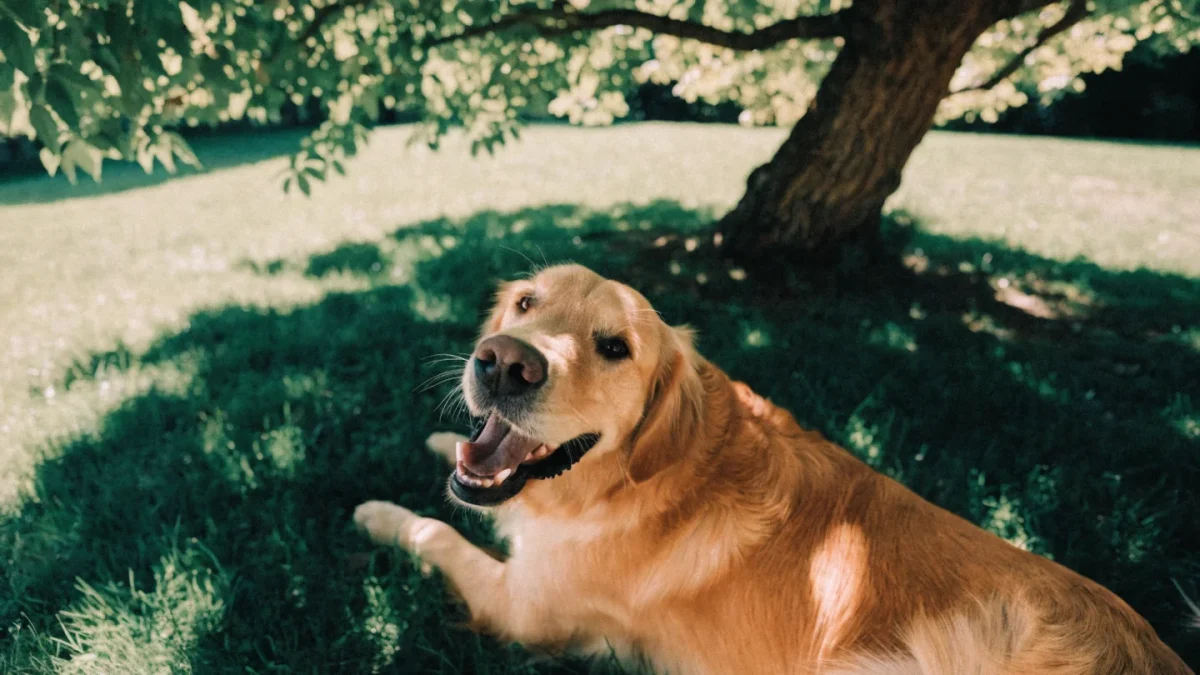
Last July I saw four heatstroke cases in a single weekend. One dog didn't make it.
That dog was a five-year-old Bulldog named Oliver whose owner took him on their usual morning walk. What they didn't account for was the shift: it had been mild all week, and that Saturday morning started cool before spiking to 88°F with humidity. Oliver started lagging, then stopped, then collapsed about half a mile from home. His temperature when he arrived at the clinic was 107.2°F.
I want to talk about summer safety because I watched that owner learn the hardest possible lesson. And because Oliver's situation was preventable.
Why Pets Overheat Faster Than You Think
Dogs and cats don't sweat the way humans do. Their primary cooling mechanism is panting, which works through evaporation from the respiratory tract — but it becomes dramatically less effective as humidity rises and as airway anatomy worsens. Brachycephalic breeds (Bulldogs, Pugs, Persians, Himalayans) have physically compromised airways that make panting less efficient. Overweight animals have more metabolic heat production and less surface area relative to their mass for dissipating it.
A dog walking on pavement at 90°F ambient air temperature is dealing with surface temperatures that may exceed 150°F on dark asphalt. Their paws can burn. They're also closer to the radiated heat than you are.
And a parked car on a 75°F day can reach 120°F inside within 30 minutes.
The numbers are worse than most people realize.
Heatstroke: Know the Signs
Heatstroke — hyperthermia with systemic effects — begins when the core body temperature exceeds 104°F (40°C). Damage accelerates significantly above 106°F (41°C).
Early signs:
- Heavy, rapid panting
- Drooling more than usual
- Restlessness or agitation
- Seeking cool surfaces (tiles, basement floors)
Progressive signs:
- Thick, ropey saliva
- Bright red gums and tongue
- Vomiting
- Weakness and stumbling
- Disorientation
Late signs (organ failure phase):
- Pale or gray gums
- Bloody diarrhea
- Collapse
- Seizures
- Loss of consciousness
Dogs typically show more obvious early signs than cats. Cats often go from "warm but okay" to acute collapse with less obvious warning, especially if they've been quietly overheated in an enclosed space.
What to Do If You Suspect Heatstroke
Move to shade or indoors immediately.
Wet the coat with cool — not cold, not ice — water. Focus on the groin, armpits, and neck where major blood vessels are closer to the surface. Use a fan or move air over the wet coat to enhance evaporative cooling.
Allow access to small amounts of cool water if the pet is conscious and can swallow without choking.
Check temperature if you have a thermometer. Stop active cooling when you reach 103°F (39.4°C) — overcooling can cause vasoconstriction and rebound hypothermia.
Get to the vet regardless of whether they seem to recover. Internal damage from heatstroke — disseminated intravascular coagulation (DIC), organ failure, neurological effects — can manifest hours after the initial temperature has been managed. "Seems fine now" is not clearance from heatstroke.
The Hot Car Rule Is Absolute
I don't usually speak in absolutes. Medicine is full of nuance. But this one: do not leave your pet in a parked car in warm weather. Not for five minutes. Not with windows cracked. Not in the shade.
The interior of a car in direct sun at 80°F reaches 120°F in 30 minutes. The cracked-window car reaches that faster because the small opening creates a greenhouse effect. A dog can develop severe heatstroke in 15 minutes under these conditions.
If you can't take your pet inside where you're going, leave them home.
Hot Pavement: The Test and the Solution
The back-of-hand test: hold the back of your hand against the pavement for seven seconds. If you can't keep it there comfortably, it's too hot for your dog's paws. On sunny days, this threshold is crossed at ambient temperatures around 77°F. Dark asphalt absorbs far more heat than lighter concrete.
Walk on grass when possible. Walk in the early morning (before 9 a.m.) or evening (after 6 p.m.) when pavement has had time to cool. Dog boots are a legitimate option for extended summer walks and most dogs can be acclimated to them.
Signs of paw pad burns: limping during or after a walk, licking or chewing at feet, red or blistered pads, reluctance to walk. If you see these, cool the paws with water and see your vet.
Exercising Dogs in Summer
Every vet I know has a version of this lecture: the most dangerous time to exercise your dog is 10 a.m. to 4 p.m. in summer. That's when ambient temperature and solar radiation are highest.
Shift your routine. Early morning walks before the day heats up. Evening walks after sunset. Water activities (lakes, supervised pool time, sprinklers) during the midday heat window. Short, shaded walks if midday is unavoidable.
Reduce intensity. A dog that runs 5 miles with you in April needs to cut that back in August. Pace is as important as timing.
Bring water. Not for when they seem thirsty — for every 15-20 minutes of activity. Dogs don't regulate their own water intake as well as they regulate most other things.
Cats and Summer Heat
Indoor cats are generally safer in summer because air conditioning (or cross-ventilation with fans) keeps the environment manageable. The risk for indoor cats is primarily in homes that are unventilated during heatwaves, or in cars and enclosed spaces.
Outdoor cats face greater risk, including winter safety. Overheating in sunny gardens, enclosed sheds, or garages is common. Signs are more subtle: lethargy, excessive grooming (using saliva to cool, which is a cat's secondary cooling mechanism), seeking cool tile or shaded spots, panting (a serious sign in cats — not normal).
Provide outdoor shade, access to fresh cool water in multiple locations, and consider keeping cats in during peak afternoon heat in genuinely hot climates. Cats are better at self-regulating their activity level than dogs, but they're not immune to heatstroke.
Sunburn in Pets
Yes, pets can get sunburned, particularly those with light-colored or sparse fur, white or pink skin, or unpigmented noses and ear tips. White cats with pink ears are especially vulnerable — they have noticeably higher rates of squamous cell carcinoma in sun-exposed areas.
High-risk areas: ear tips, nose, belly (dogs who roll on their backs), and any area with sparse fur coverage.
Pet-safe sunscreens exist — specifically those that don't contain zinc oxide or para-aminobenzoic acid (PABA), both of which are toxic to pets. Ask your vet for a recommendation.
BBQ and Summer Gathering Hazards
Summer gatherings concentrate food hazards in one place. Specifically:
Corn cobs — one of my most common summer foreign body surgeries. They're the perfect size for a dog to swallow partially and get stuck, they don't show well on radiographs, and they cause complete GI obstruction.
Skewers — bamboo and metal both. Dogs love the smell of whatever was on them and will eat the whole thing.
Cooked bones — cooked bones splinter and can perforate the intestine.
Onions, garlic, and the rest of the allium family — all toxic to dogs and cats, and often present in marinades, dips, and salads.
Alcohol — both accidental spillage and well-meaning people giving a sip. Even small amounts cause hypoglycemia and CNS depression in pets.
Grapes and raisins — serious kidney toxicity in dogs. Present in many fruit salads and desserts.
Managing this at a gathering: designate one person as the "food guardian" whose job is watching that the dog doesn't help themselves to the picnic table while you're distracted.
Hydration
Pets need more water in heat, not just the usual amount. And water left in the sun gets warm and becomes less appealing (and less clean).
Multiple water stations in different locations encourage drinking. Shade the water bowls. Change the water frequently. Adding ice cubes makes it more interesting and slightly cooler for longer.
Signs of dehydration: dry, tacky gums; skin that's slow to snap back when gently pinched (skin turgor test); sunken eyes; lethargy; decreased urination. Mild dehydration you can manage at home; moderate to severe dehydration — especially in heat — needs IV fluids.
Flea and Tick Season
Summer is peak flea and tick season, and the intersection of "warm weather outdoor activity" and "parasites" requires prevention. Year-round parasite prevention is better than seasonal, but if you haven't been on a year-round program, restart before summer.
Check for ticks after every outdoor outing in tick territory. Run your fingers through the coat, paying special attention to ears, under the collar, armpits, groin, and between toes.
Tick removal: grasp as close to the skin as possible with fine-tipped tweezers and pull straight out with steady pressure. Don't twist, burn, or apply petroleum jelly — these increase the risk of disease transmission.
Summer Safety Checklist
Before the season really heats up:
- Confirm your pet's parasite prevention is current
- Check that all outdoor water bowls are in shade and refilled twice daily
- Test your pavement with the back-of-hand test before assuming it's safe
- Know the location and hours of the nearest emergency veterinary clinic
- Review the emergency first aid for pets protocols so you're not learning them during a crisis
Summer with pets is genuinely wonderful — the early morning walks, the lake trips, the backyard evenings. It just requires knowing where the dangers live and staying ahead of them.
Frequently Asked Questions
What temperature is too hot to walk my dog?
Above 77°F (25°C) ambient temperature, pavement can begin to burn paws — so the pavement test matters more than the air temperature. Humidity compounds heat stress significantly. As a general rule: if you're uncomfortably warm walking without exerting yourself, your dog is worse off than you are. Morning and evening walks in summer aren't just preference — they're safety.
Can cats get heatstroke?
Yes, though it's less commonly diagnosed than in dogs because cats are better at seeking shade and regulating their own activity. Cats most at risk are those in enclosed spaces (sheds, cars, glassed-in rooms) or those who are elderly, obese, or flat-faced. Panting in a cat is not normal — it's always a warning sign.
Is it safe to leave my dog outside in summer?
Only if they have consistent access to shade (not just morning shade that moves throughout the day), unlimited fresh water, and if you're home and monitoring. Dogs left outside in direct sun with limited shade die every summer. Even a covered porch can become dangerously hot in a heat wave. When in doubt: air conditioning.
My dog loves swimming — is that safe in summer?
Swimming is one of the best summer activities for dogs from a heat safety perspective. The risks to manage are: water quality (algae blooms, especially blue-green algae, are toxic and can be fatal), swimming fatigue in weak swimmers, and ear infections from prolonged wetness. Rinse ears after swimming and dry them; keep access away from visibly algae-covered water.
What's the safest time of day to walk my dog in summer?
Before 8 a.m. and after 7 p.m. in most climates. The earlier and later the better — pavement that's been cooling for hours is dramatically cooler than afternoon pavement. If you must walk during the day, grass-only routes, heavy shade, and very short duration.