

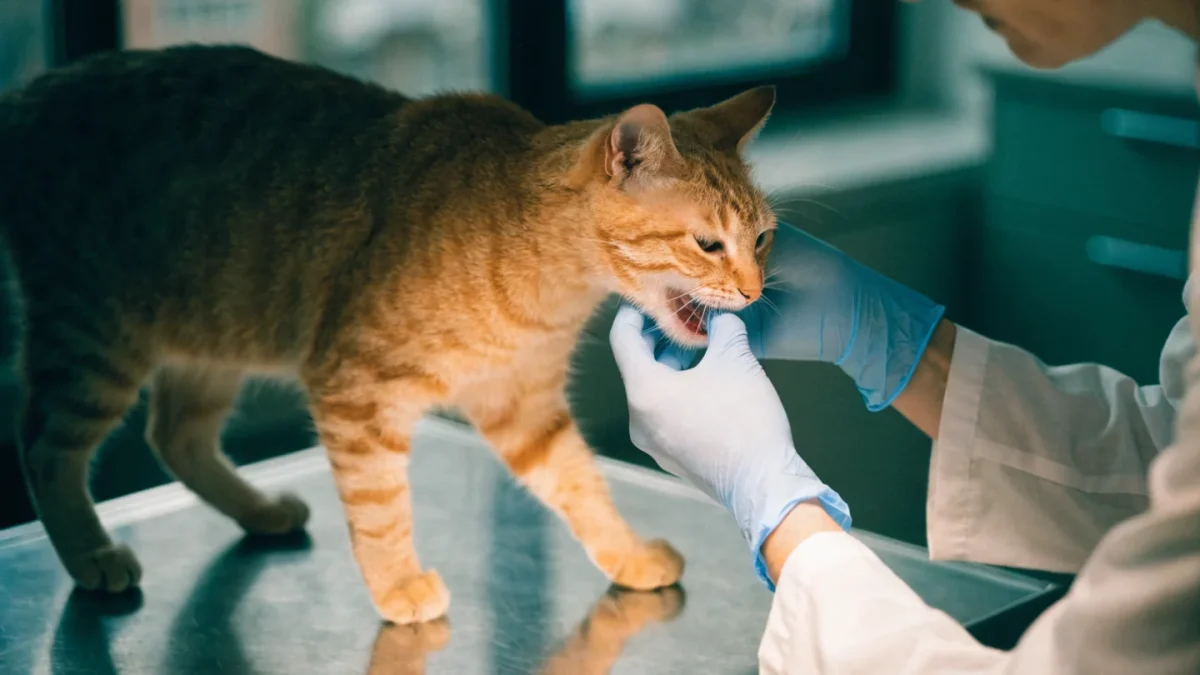
A client brought in her three-year-old Shih Tzu on a Tuesday afternoon with a chief complaint of "acting weird." He'd been drooling heavily for about an hour, pawing at his face repeatedly, and had vomited once. She didn't know what he'd gotten into, but there were several plants in the house.
From that symptom description alone, I had a working hypothesis before I examined him: calcium oxalate plant. The drooling and face-pawing are so characteristic of oral calcium oxalate irritation that I went directly to look at his mouth and tongue, which showed the expected redness and mild swelling.
The plant turned out to be pothos. Not life-threatening, but very uncomfortable. We managed symptoms and he was fine.
My point is this: symptoms tell a story, and knowing the story helps both with identifying the toxin and with understanding the urgency. Not all plant poisoning looks the same.
Pattern 1: Immediate Oral Symptoms — Calcium Oxalate Plants
Drooling heavily, pawing at the face or mouth, immediate distress after chewing a plant. Sometimes vomiting.
This pattern points strongly to plants containing calcium oxalate crystals — pothos, philodendron, dieffenbachia, peace lily, ZZ plant, and several others. The crystals physically embed in soft tissue, causing burning pain and swelling that starts immediately. The animal usually stops chewing the plant very quickly because the pain self-limits further ingestion.
The swelling is usually confined to the mouth and tongue. In rare cases with dieffenbachia or significant ingestion, the throat can swell enough to affect swallowing or breathing — that's when it becomes an urgent situation.
What to do: Offer water to help flush crystals. Call your vet. Most cases resolve without specific treatment, but significant swelling warrants evaluation.
Pattern 2: Gastrointestinal Signs — Saponin and Irritant Plants
Vomiting, diarrhea, loss of appetite 1-6 hours after exposure, with minimal or no oral symptoms.
This pattern is typical of plants containing saponins (snake plant, dracaena, many bulb plants) or other general GI irritants. The plants don't cause immediate oral pain, so animals may eat more before GI signs begin. Symptoms are usually self-limiting in otherwise healthy animals.
What to do: Withhold food temporarily. Call your vet if symptoms are severe or if the pet isn't improving within 12-24 hours.
Pattern 3: Cardiac and Neurological Signs — Glycoside-Containing Plants
Vomiting (often the first sign), followed by weakness, slow or irregular heart rate, abnormal heart rhythms, low blood pressure, and potentially collapse. May progress to seizures. Can have a delayed onset.
This is the pattern of plants containing cardiac glycosides: foxglove, oleander, lily of the valley, and to a lesser extent sago palm (which has a different mechanism but similarly serious outcomes). These are emergencies.
If your pet was near any of these plants and is showing cardiac or neurological symptoms — even mild ones — that's an emergency clinic visit, not a watchful waiting situation.
What to do: Emergency veterinary care immediately.
Pattern 4: Delayed Kidney Failure — Lilies in Cats
Initial vomiting and lethargy in the first few hours, followed by an apparent improvement period, then worsening vomiting, extreme lethargy, decreased or absent urination, and potential neurological signs at 24-72 hours.
This is the specific and devastatingly deceptive pattern of true lily toxicity in cats. The apparent improvement between hours 6-12 is not recovery — the kidney damage is progressing silently. By the time obvious kidney failure signs appear (anuric or oliguric — not producing urine, or producing very little), significant irreversible damage has occurred in many cases.
The critical rule: if you know or suspect lily exposure in a cat, don't wait for symptom patterns. Go immediately. The deceptive timeline is exactly why waiting is dangerous.
What to do: Emergency veterinary care immediately, regardless of how the cat seems.
Pattern 5: Liver Failure — Sago Palm
Vomiting, lethargy, and jaundice (yellowing of eyes and skin) developing within 24-48 hours. Severe abdominal pain. Neurological signs in advanced cases.
Sago palm causes acute hepatotoxicity — liver failure — that progresses rapidly. The mortality rate is high even with treatment. Any suspected sago palm ingestion requires emergency care without waiting for symptom development.
What to do: Emergency veterinary care immediately.
Gum Color: The Quick Assessment
Regardless of which symptom pattern you're seeing, check gum color. Healthy gums should be pink. Pale, white, or gray gums indicate poor perfusion or shock — emergency care immediately. Yellow-tinged gums suggest liver damage or red blood cell destruction. Bright red or "brick red" gums can indicate certain toxin effects or overheating.
Press a finger firmly against the gums and release — color should return within 2 seconds. Slow or absent capillary refill (the color return) indicates circulatory compromise.
When You Don't Know What Was Eaten
Not every case comes with a clear history. "He was outside" or "she was in that room" is sometimes all the information available. In those cases, the symptom pattern becomes more important as a guide.
Oral irritation symptoms without any other signs: think calcium oxalate houseplants.
GI signs without cardiac or neurological signs: lower-risk irritant plants are more likely.
Cardiac signs: high-risk plants, emergency care regardless.
Any symptom in a cat who had access to any lily: assume lily toxicity until proven otherwise.
For complete information on specific plants and their risks, the complete guide to toxic plants for dogs and cats covers both indoor and outdoor hazards in detail. For recognizing poisoning signs from food toxins — which follow some similar patterns — that overlap is worth understanding too.
Frequently Asked Questions
My dog vomited once after being in the garden. Does that mean she ate something toxic?
Single vomiting episodes are common for many reasons — eating grass, dietary indiscretion, motion sensitivity. Context matters: if your dog was in an area with known toxic plants, if the vomiting is accompanied by other symptoms, or if it continues or worsens, call your vet. Isolated vomiting without other symptoms in a dog who seems otherwise normal is lower urgency.
How long after eating a toxic plant do symptoms appear?
It depends entirely on the plant. Calcium oxalate symptoms are immediate — within seconds to minutes. GI signs from irritant plants appear within 1-6 hours. Cardiac glycoside effects develop over several hours. Lily kidney failure in cats appears to begin immediately but becomes clinically apparent at 24-72 hours. Liver failure from sago palm develops within 24-48 hours.
What information should I have ready when I call the vet or poison control?
The plant name or a clear photo, the approximate amount eaten (any part of it — leaf, flower, seed, bulb), when exposure occurred, your pet's species, weight, and age, and whatever symptoms you're currently observing. If symptoms have progressed, note when each symptom started.
Can a pet have a delayed reaction to plant exposure that seemed okay at first?
Yes, and this is one of the most dangerous aspects of plant toxicity. Lily toxicity in cats, sago palm liver failure, and autumn crocus toxicity all have meaningful delayed phases. "Seemed okay for the first few hours" is not reassurance when those specific plants are involved.
Are plants less dangerous than foods on the toxicity scale?
There's no clean hierarchy — it depends entirely on the specific plant and the specific food. A grape is more acutely dangerous for a dog than a pothos plant. An Easter lily is more acutely dangerous for a cat than most human food toxins. Some garden plants (yew, sago palm) are capable of causing death faster than most food toxins. The category matters less than the specific agent.