

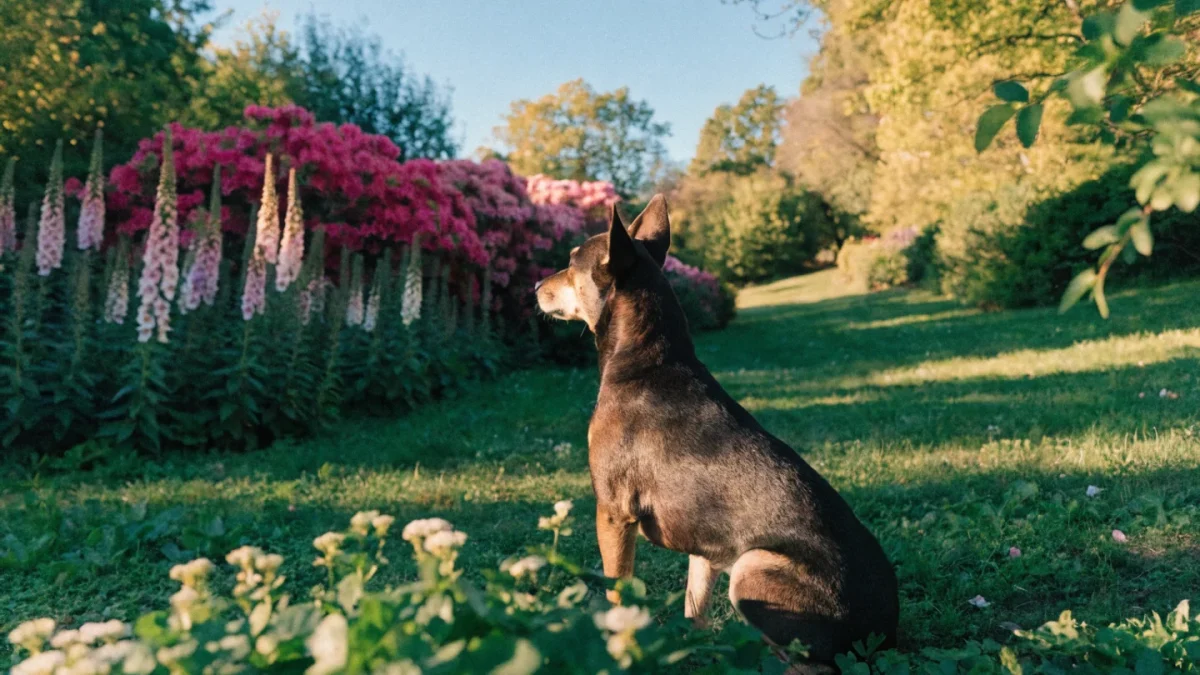
The garden gets less attention than the kitchen when people think about pet poisoning hazards, but some of the most dangerous exposures I've seen came from plants already growing in the yard before the pet arrived. A couple who moved into a house with mature sago palm trees and got a puppy without realizing what they had. A dog who regularly ran through a garden bed of autumn crocus. An outdoor cat in a neighborhood where multiple houses had oleander hedges.
Outdoor plants carry a different kind of risk from indoor ones: there's often more of them, pets have extended unsupervised access, and the plants may have been there long before anyone thought to check whether they were safe.
The Most Dangerous Garden Plants
Sago palm (Cycas revoluta) is a landscape staple in warm climates and is increasingly sold as a container plant in cooler regions. Everything about it is toxic, with the seeds (sometimes called "nuts") containing the highest concentration of cycasin — a compound that causes severe, often fatal liver failure. Mortality rates for sago palm poisoning in dogs remain disturbingly high even with aggressive treatment — estimates range from 50-75%. Dogs are particularly at risk because the seeds fall and are often found on the ground, and dogs explore with their mouths.
This is the plant I most strongly recommend removing if you have dogs and live in an area where sago palm grows. No other commonly landscaped plant in North America matches its combination of widespread use and mortality rate.
Oleander (Nerium oleander) is a flowering shrub used extensively in warm-climate landscaping, highway medians, and suburban gardens. Every part — leaves, flowers, stems, bark, and even the smoke from burning oleander — contains cardiac glycosides. Ingestion causes severe vomiting, cardiac arrhythmias, and death. Even dried or dead oleander plant material retains its toxicity. A dog who chews on a stick of oleander wood, or gets into yard waste from oleander pruning, is at risk.
Foxglove (Digitalis purpurea) — a beautiful, tall biennial popular in cottage gardens and naturalized in many areas. The source of digoxin, the heart medication, which tells you exactly what it does in overdose. Cardiac glycoside toxicity: vomiting, slow heart rate, abnormal rhythms, collapse. Both dogs and cats are susceptible.
Yew (Taxus baccata and related species) — extremely common in landscaping around institutional buildings, churches, and older properties. The red berries are visually appealing; the fleshy covering is less toxic, but the seed inside is extremely dangerous. Taxine alkaloids cause rapid cardiac failure. A dog who eats a significant amount of yew can die within hours. Yew clippings in yard waste are a risk — the toxicity doesn't immediately decline after pruning.
Azalea and rhododendron — some of the most popular garden shrubs in temperate climates. Both contain grayanotoxins that affect sodium channel function in cardiac and nerve tissue. Most pets don't eat large amounts because the plants cause immediate oral irritation, but moderate ingestion causes weakness, vomiting, cardiovascular depression, and in severe cases, cardiac arrhythmias. Considered moderately to severely toxic depending on the amount ingested.
Serious Concern: Bulb Plants
The bulbs of several popular spring-flowering plants are more concentrated in toxins than the above-ground flowers or leaves. Dogs who dig up bulbs — which many dogs will do given the opportunity — are exposed to the most toxic part of the plant.
Tulip bulbs contain tulipalin A and B, which cause intense GI irritation, cardiac signs, and weakness. The flowers and leaves cause milder effects.
Daffodil and narcissus bulbs contain lycorine and other alkaloids. Ingestion causes intense, sudden vomiting, severe GI distress, and in large exposures, cardiac and respiratory signs. The bulbs again are most concentrated.
Hyacinth bulbs cause GI irritation and potentially cardiac signs.
The general rule: if you have dogs who dig, bulb plants in your garden require either fencing off or extra vigilance during planting and spring sprouting seasons when disturbed soil draws investigation.
Other Outdoor Concerns
Autumn crocus (Colchicum autumnale) — not a true crocus (the spring crocus is lower risk). Autumn crocus contains colchicine, which interferes with cell division and causes severe GI signs, multi-organ failure, and bone marrow suppression. The effects are delayed, making the connection to plant ingestion easy to miss.
Lily of the valley (Convallaria majalis) — a delicate ground cover with small white bell-shaped flowers, fragrant and popular. Contains cardiac glycosides similar to foxglove. Toxic to both dogs and cats.
Wisteria — the seed pods and seeds cause severe GI signs. The plant is large and commonly grown on fences and arbors where pets spend time.
Black walnut — the fallen nuts, hulls, and decomposing material around black walnut trees can cause tremorgenic mycotoxin poisoning in dogs, even without direct ingestion of the nuts themselves. A dog who lies in, rolls in, or walks through decomposing black walnut material is at risk.
Mushrooms — wild mushrooms growing in lawns and garden areas are highly variable in toxicity, from completely benign to lethally toxic (Amanita species). I advise removing any mushrooms from areas where pets have access rather than trying to identify whether each species is safe.
Practical Garden Safety
You can't realistically identify and assess every plant in most garden settings, including indoor houseplants. My practical approach for clients with pets: identify the highest-risk plants first (sago palm, oleander, yew) and make removal or fencing decisions based on that. For the rest, know what you have, know the risk level, and supervise or restrict access accordingly.
ASPCA's toxic plant database is available online with photos and is the most comprehensive searchable resource for identifying specific plants. Take photos of any unidentified plants in your yard and look them up — it's a worthwhile afternoon if you have pets.
Frequently Asked Questions
I found a mushroom in my yard and my dog might have eaten part of it. What should I do?
Take a photo of the mushroom — ideally from multiple angles — and call poison control (888-426-4435) or your local mycology society for identification help. Don't wait for symptoms; some highly toxic mushrooms (Amanita phalloides, the death cap) cause a delayed onset that makes early identification important. If you can't identify it, treat it as a potential emergency.
My dog ate some leaves from the azalea bush. How worried should I be?
The amount matters a lot. A few leaves in a large dog may cause only GI upset. A medium-sized dog who ate a significant portion of a branch is a vet call. Azalea toxicity can range from mildly symptomatic to cardiac — the dose makes the difference. Call poison control and give them your dog's weight and your best estimate of the quantity eaten.
Is it safe to let my cat go outside if the neighborhood has oleander or other toxic plants?
This is a genuine risk, and it's one of the harder trade-offs in outdoor cat management. Cats don't typically eat oleander leaves because the taste is bitter, but it's not a zero-risk situation. If oleander is extensively planted in your neighborhood, restricting outdoor access or building a catio that keeps the cat in your yard is worth considering.
Are there any completely safe plants I can grow in a pet-friendly garden?
Many garden plants are relatively low risk. Snapdragons, petunias, sunflowers, roses (thorns aside), cosmos, zinnia, and many herbs (basil, oregano, rosemary) are generally considered safer for dogs and cats. Vegetables including carrots, peas, beans, and most garden produce are fine for pets to be around, though tomato plants (the green parts) are mildly toxic. A garden can absolutely be designed with pet safety in mind.
What about plants that produce toxic berries that fall on the ground?
Berries are a significant concern for dogs who nose around garden beds. Mistletoe, holly, and nightshade berries are all toxic, and dogs investigate fallen fruit. If you have plants with toxic berries, keeping the ground swept or fencing off those garden areas makes sense. For outdoor cats, the risk is generally lower since cats are more selective feeders, but it's not zero.