

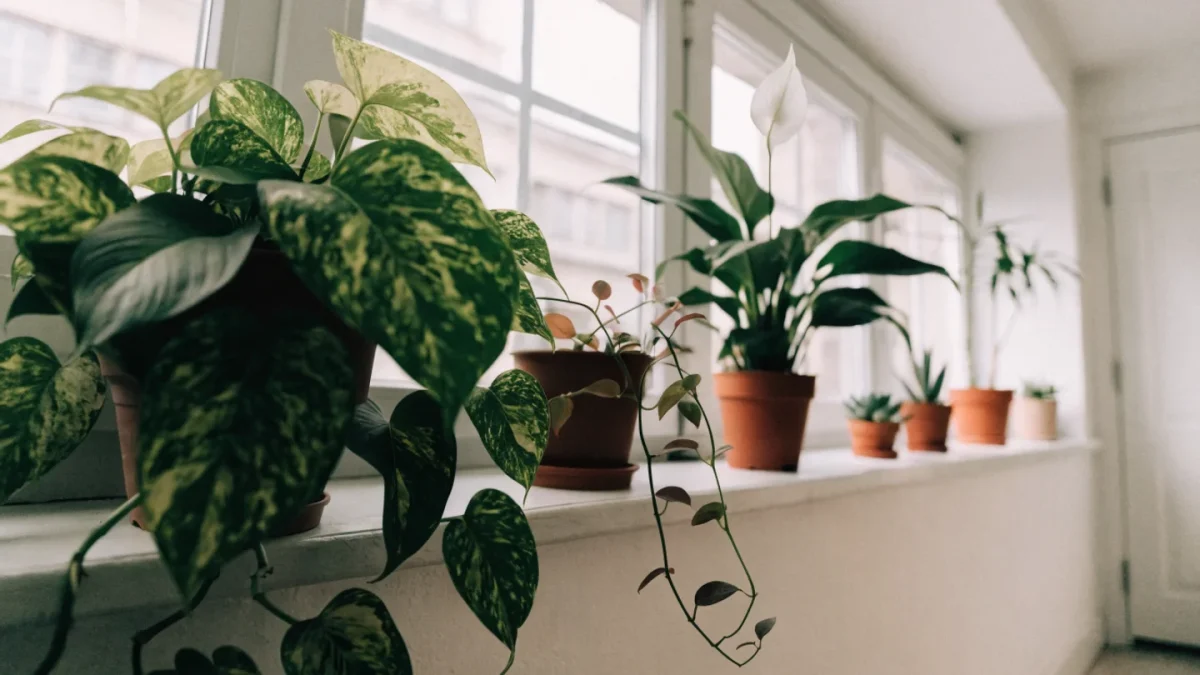
A significant portion of my plant toxicity cases come from homes where the owners had no idea a plant was dangerous. The pothos trailing from the bookshelf. The peace lily on the bathroom counter. The snake plant in the bedroom corner. These are some of the most popular houseplants in existence — and several of them are problematic for pets who like to chew.
The good news (and I don't say that phrase, but the genuinely reassuring reality) is that most of the commonly encountered toxic houseplants cause discomfort rather than organ failure. The exception — and it's a significant one — is true lilies in cats. That's a different category entirely.
Let me go through the plants I see most often in clinical cases.
High Concern: Oral and GI Irritants
Pothos (Epipremnum aureum) is probably in more homes than any other plant on this list. It's nearly indestructible, thrives in low light, and looks great trailing off shelves. It also contains calcium oxalate crystals — microscopic needle-like structures that embed in the soft tissue of the mouth, tongue, throat, and esophagus when chewed. The result is immediate, intense pain and swelling. Cats and dogs who chew pothos will typically drool excessively, paw frantically at their mouths, and may vomit. The swelling is usually limited to the oral cavity, but can in extreme cases cause throat swelling significant enough to affect breathing.
Philodendron — same mechanism, same calcium oxalate crystals, same clinical presentation as pothos. Dozens of Philodendron species are popular houseplants (heartleaf philodendron, split-leaf, elephant ear), and all are capable of causing this reaction. The severity depends on how much was chewed — a curious bite tends to be self-limiting because the pain stops the chewing.
Dieffenbachia (commonly called Dumb Cane) carries the same calcium oxalate mechanism but is often more concentrated. The common name comes from the throat swelling it causes in humans who bite into it — historically used as an instrument of torture, which should tell you something. In pets, it causes severe oral irritation and can cause enough throat swelling to create swallowing difficulties. More serious than pothos or philodendron.
Peace lily (Spathiphyllum) — often confused with true lilies, which is important to clarify. Peace lilies are aroids, not true lilies, and their toxicity mechanism is calcium oxalate crystal irritation, not the kidney failure seen with Easter lily or Tiger lily. Still worth keeping away from pets due to the oral pain and GI upset, but not the life-threatening situation that true lily exposure represents.
Moderate Concern: GI and Systemic Signs
Snake plant (Sansevieria trifasciata, recently reclassified as Dracaena trifasciata) contains saponins — compounds that cause nausea, vomiting, and diarrhea. It's one of the most popular low-maintenance houseplants, so a lot of pet owners have it without knowing it causes GI problems. Symptoms are generally self-limiting but can be significant if a large amount was eaten.
Dracaena species (corn plant, dragon tree, lucky bamboo) also contain saponins and cause similar GI signs. Also causes dilated pupils in cats. These are often marketed as "easy care" plants and appear frequently in offices and homes.
Aloe vera — the inner gel has low toxicity, but the latex layer just beneath the outer skin contains anthraquinone glycosides that cause vomiting, diarrhea, and lethargy. Cats seem more sensitive to aloe than dogs, though both species can be affected. The plant's widespread reputation for being medicinal and safe creates a false sense of security.
Jade plant (Crassula ovata) causes vomiting, depression, and in dogs, loss of coordination. Jade is a very common houseplant and not commonly recognized as toxic.
ZZ plant (Zamioculcas zamiifolia) contains calcium oxalate crystals. Same basic picture as pothos exposure.
Asparagus fern (Asparagus setaceus/plumosus) causes skin irritation and GI disturbance. The tiny berries are more concentrated than the fronds and can cause vomiting if eaten.
Critical Concern: True Lilies in Cats
I've already covered this in detail in the broader guide to toxic plants, but it needs to be on every houseplant list because the most dangerous houseplant for pets is a true lily in a home with cats. Easter lily, Tiger lily, Asiatic lily, Stargazer lily — any of these cause fatal kidney failure in cats with extremely small exposures. Including pollen contact. Including vase water.
If you have cats, these flowers should not come into your home. Not as potted plants, not as cut stems in a bouquet.
Plants Generally Considered Safe
Not every plant is a problem. Spider plants (Chlorophytum comosum), Boston ferns, African violets (Saintpaulia), Christmas cactus, most orchids, air plants (Tillandsia), Swedish ivy, and most palms (excluding Sago palm, which is extremely toxic) are generally considered lower risk for pets.
That said, "generally considered lower risk" is different from "completely safe." Spider plants can cause mild GI upset if eaten in quantity; some cats are sensitive to orchids. And individual pets vary in their responses. For any new plant, I recommend looking it up in the ASPCA toxic plant database before bringing it into a home with pets.
Frequently Asked Questions
My cat chewed a pothos leaf and is drooling and pawing at her face. What should I do?
Call your vet or the ASPCA Poison Control (888-426-4435). In the meantime, offer water — it helps flush the calcium oxalate crystals from the oral mucosa. Do not try to rinse the mouth forcefully. Most cats recover from minor pothos exposure within a few hours without specific treatment, but significant swelling or continued vomiting warrants veterinary evaluation.
I didn't see what my pet chewed. How can I tell which plant it was?
Look for bite marks, torn leaves, or disturbed soil around any plants your pet had access to. Take a photo of any damaged plant for identification. If you're uncertain, the ASPCA toxic plant list with photos can help, or your vet or poison control can help identify from the photo. Symptoms provide clues too — excessive drooling and oral pawing suggests calcium oxalate plants; GI signs without oral involvement suggests saponin-containing plants.
Are all "succulent" plants safe?
No. "Succulent" describes a growth form — plants that store water in fleshy leaves or stems — not a single taxonomic group. Aloe is a succulent and causes GI problems. Jade plant is a succulent and causes vomiting and neurological signs in dogs. Kalanchoe is a succulent and contains cardiac glycosides. Many haworthia and echeveria species are safer, but always look up specific species rather than assuming.
My dog ate a small piece of snake plant. Do I need to go to the vet?
A small amount of snake plant in a healthy dog typically causes mild GI upset — some vomiting or loose stool — that resolves without treatment. Monitor your dog and call your vet if symptoms are severe, prolonged, or if you're concerned. A small dog or a large amount of plant material warrants a call.
What's a good strategy for keeping plants and pets safely in the same house?
Physical separation works well for dogs — plants on tables, shelves, or hanging baskets that the dog can't reach. Cats are harder because they climb. For cats, I'd suggest: keep truly dangerous plants (true lilies, oleander, sago palm) out of the home entirely; place other potentially toxic plants in rooms the cat doesn't access; use hanging planters for trailing plants like pothos; and consider bitter spray deterrents on plants within cat reach. Choosing known lower-risk plants for any spots your cat can definitely access is the most reliable approach.