

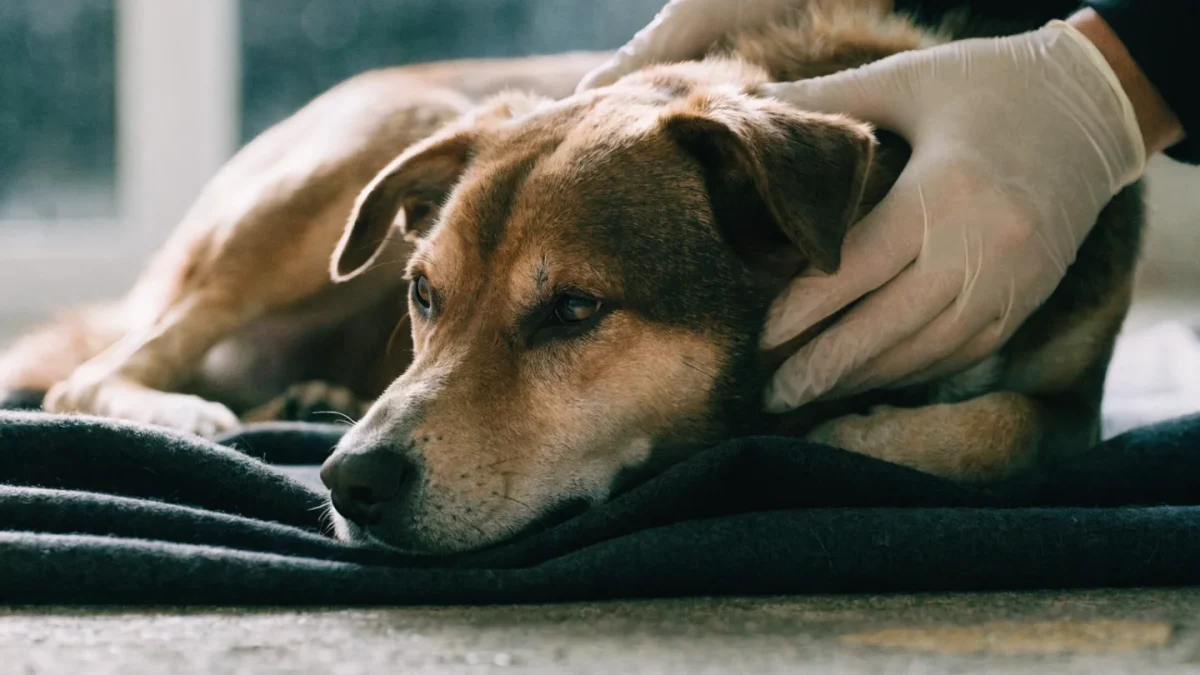
The woman had done everything right. She'd stayed calm, controlled the bleeding, kept her three-year-old Beagle still. And then, lifting him off the porch to get to the car, she grabbed him under the belly and his back legs flopped. He cried out. She'd caused a second injury trying to help with the first.
Transport injuries are unfortunately common in pet emergencies. Not because owners are careless — because they're panicking, they don't know the technique, and they're working against a clock. This guide exists to give you the technique before you ever need it.
Before You Move Them
Stop. Assess. One minute spent assessing saves minutes of backtracking.
Ask yourself: what might be injured? A dog hit by a car could have internal injuries, broken ribs, and spinal damage simultaneously. A cat that fell from a height likely landed on their feet but may have fractured wrists (carpal joints) or face. A dog that was bit might have puncture wounds you haven't found yet.
If there's any possibility of a spinal injury — hit by car, significant fall, severe trauma — assume spinal injury until a vet tells you otherwise, and transport accordingly.
If the injury is clearly limited (cut paw, obvious leg fracture, facial wound), you have more flexibility, but the principles of support still apply.
Is Your Pet Likely to Bite?
Injured animals bite. Even dogs that have never bitten before will bite when in severe pain — it's a reflex, not a personality trait. Cats in distress can lacerate you badly.
If there's any bite risk, a makeshift muzzle before transport is smart. Wrap a strip of gauze or soft cloth twice around the snout, tie it gently under the chin, then behind the ears. Snug enough to prevent biting, loose enough that they can breathe comfortably. Never muzzle a vomiting animal or one with breathing difficulty.
For cats, a towel wrap works well. Drape a large towel over the cat, then gather it around the body. This limits their ability to scratch while keeping them covered and slightly calmer — cats often settle when they can't see.
Moving a Small Dog or Cat
Support the whole body. Always.
Slide one hand under the chest, one under the hindquarters. Keep the spine as horizontal as possible. If the cat or small dog is on a surface, slide a rigid support under them first (a cutting board, a stiff piece of cardboard, a book) and lift the whole assembly together.
Do not pick up by the scruff, by one leg, or by the collar. Don't let the rear end drop while lifting the front. Even in animals without spinal injuries, these movements can cause secondary injuries or extreme pain.
Moving a Medium to Large Dog
You cannot support a 60-pound dog the same way you'd support a cat. For dogs too large to fully support with both arms:
Two-person carry: One person stands at the dog's head, cradling the chest and front legs. Second person at the rear, supporting the hips and rear legs. Both lift simultaneously. Someone should count "three, two, one, lift" so you move together.
Blanket carry: Slide a large, thick blanket under the dog — roll the dog carefully if needed, noting any signs of pain or resistance — and then both people grip opposite corners to lift. This distributes weight evenly and reduces movement of individual body parts.
Rigid stretcher: For suspected spinal injuries, this is the preferred method. A board, a flattened cardboard box, a piece of plywood — anything rigid that the dog can lie on without the surface flexing. Slide it under them as gently as possible, keeping the spine aligned. Secure them loosely with ties or strips of cloth so they don't slide, but don't tie tightly enough to restrict breathing.
For very large breeds (Mastiffs, Great Danes, Newfoundlands), honest assessment of your physical ability matters. Getting help from a neighbor or calling the emergency clinic for guidance on moving the animal into a vehicle is better than dropping them.
The Car Setup
Think about this before you open the car door.
If the dog can walk (limping, but ambulatory), let them walk to the car and help them in. Don't force an ambulatory dog to be carried — unnecessary additional stress.
If they can't walk: where will they go? The back seat, laid flat, with someone sitting with them to maintain position, is usually best. The front seat is too small and seat airbags present a risk. The cargo area of an SUV with the rear seats down can work if you can get them in without a difficult lift.
For cats: a carrier is ideal even in emergencies. A closed carrier prevents a scared cat from bolting when you open the car door or arrive at the clinic. If you don't have a carrier, wrap them in a towel and hold them in someone's arms in the back seat.
Suspected Spinal Injury: Extra Caution
If the pet was hit by a car, fell from significant height, or has visible abnormalities in the position of the back or neck — especially if they cannot move their legs normally — treat it as a spinal injury.
- Do not bend, twist, or flex the spine. All movement should be kept in a straight plane.
- Use a rigid stretcher (see above).
- Keep the head and neck in neutral alignment — not extended, not flexed.
- Secure them to the stretcher with bandaging or cloth so they can't slide or thrash.
- Drive smoothly — sudden braking and hard turns move the patient significantly.
A pet with a spinal injury that's still ambulatory (which does happen) can convert to a permanent paralysis with improper handling. I've seen it. This is worth the extra two minutes.
During Transport
Keep it quiet. Radio off. Avoid sudden braking or acceleration. If you're driving alone and the pet is in the back, don't keep turning around to check on them — focus on getting there safely.
If a second person is with you, they should stay with the pet and monitor breathing, gum color, and level of consciousness. Alert you to any changes. Maintain body position.
Call the clinic as you drive. You don't need to give a full medical history — just "I'm bringing in an injured [dog/cat], [approximate age and weight], I'll be there in [X] minutes, the injury is [brief description]." This lets them prepare.
When You Arrive
Pull up to the door and go inside first. Don't lift the animal out alone in the parking lot. The clinic staff will come out with a gurney or will help you in. Most emergency clinics are set up for this.
Tell them immediately: any first aid you performed, when the injury occurred, how it happened, and any medications your pet takes. This information matters for treatment decisions.
Frequently Asked Questions
Should I try to stabilize a fracture before moving my pet?
Basic stabilization — a makeshift splint to prevent the leg from flopping — is reasonable and may reduce pain during transport. But don't delay transport to do it, and don't try to set the bone. An improvised splint is just two rigid objects (rolled magazines, a ruler, sticks) taped on either side of the limb. It prevents movement; it doesn't fix anything.
My dog is in the backyard and can't walk — how do I get him to the car?
Blanket carry (two people, four corners) or a board carry is your best option. In a pinch, dragging a large dog slowly on a blanket across grass is preferable to dropping them during a poorly executed carry. Get help from a neighbor if you need it — this is a reasonable thing to knock on someone's door for.
My cat is injured but is hiding and I can't reach her. What do I do?
This is genuinely difficult. Don't force a scared injured cat out of a hiding spot — you'll likely get badly scratched and possibly worsen the injury. Try to reduce the cat's exits so they move to a more accessible location. Offering food (if they can eat without vomiting risk) sometimes works. Occasionally the answer is letting them come to you and then quickly and calmly wrapping in a towel. If they're accessible but just scared, a towel draped over them first before grasping reduces the scratch risk.
Is it safe to give my injured pet water on the way to the vet?
In most cases, it's fine for small sips if the pet is conscious and alert and there's no abdominal injury or vomiting. But if there's any chance of surgery, withhold food and water — a full stomach complicates anesthesia. When in doubt, skip it. A thirsty pet who arrives at the clinic safely is much better off than a pet given water when they shouldn't have been.