

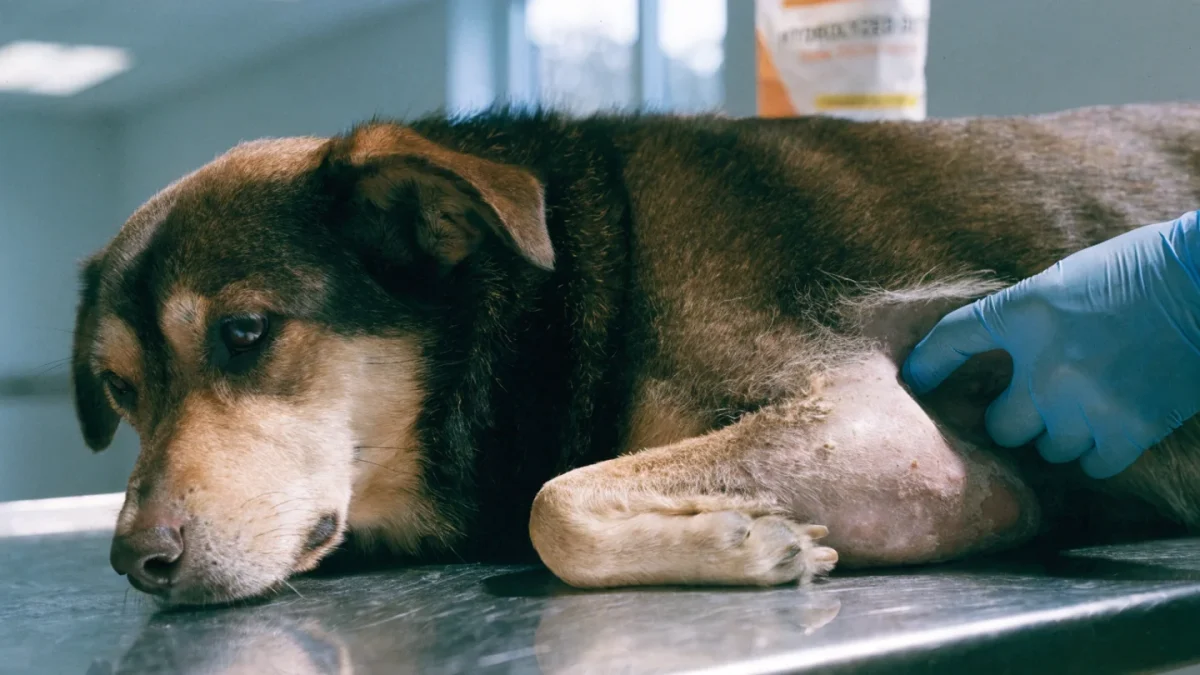
The name sounds intimidating. It isn't, really — hydrolysis is just the chemical process of breaking molecules apart using water. In the context of pet food, hydrolyzed protein means animal protein that's been broken down into such small fragments that the immune system can't recognize what it originally was.
That's the whole mechanism. And it's a genuinely clever workaround for one of the most frustrating problems in food allergy management.
The Problem Hydrolyzed Diets Solve
Allergy diagnosis in pets requires feeding a protein the immune system hasn't been sensitized to. But immune sensitization requires prior exposure, and prior exposure is often extensive — particularly in middle-aged or older pets who've eaten many different commercial foods over the years. By the time a 7-year-old dog presents with chronic itching and chronic ear infections, he may have eaten chicken, beef, lamb, salmon, duck, turkey, and more. There may not be a protein that's truly novel for him.
Hydrolyzed protein sidesteps this entirely. The protein fragments are below the molecular weight threshold that typically triggers immune recognition — research suggests fragments need to be below approximately 3,500–5,000 daltons to avoid IgE-mediated recognition, with T-cell-mediated responses requiring even smaller peptides in the 1–3 kDa range (Wróblewska et al., PMC, 2020; Hydrolyzed Proteins in Allergy review, PubMed, 2016). The immune system doesn't see "chicken" or "soy" — it sees amino acid fragments and small peptides that look like nothing it has a memory for.
The practical benefit: you can use a hydrolyzed chicken diet even in a dog with a confirmed chicken allergy, because the chicken protein has been rendered immunologically invisible.
Who Actually Needs One
Not every allergic pet needs a hydrolyzed diet. If a clear novel protein option exists and the pet's allergy is straightforward, a well-formulated novel protein diet works just as well. Hydrolyzed diets are genuinely appropriate in a few specific situations:
Multi-protein exposure history. A pet who's been fed a wide variety of proteins over their lifetime may have no clean novel options. Hydrolyzed diets solve this without needing to find a truly novel protein.
Severely allergic animals. Some pets react to trace amounts of protein — enough to cause symptoms from cross-contamination in a commercial diet not manufactured in a dedicated facility. Hydrolyzed diets, particularly veterinary prescription versions, are typically manufactured with strict cross-contamination controls.
Cats who are extremely food-selective. Some cats will accept a hydrolyzed chicken diet because the flavor profile is familiar (it's still derived from chicken) even though they'd reject a rabbit or venison novel protein they've never encountered before. This is a palatable compromise.
IBD-like GI disease without clear dietary history. In cats especially, chronic GI inflammation that might be dietary can benefit from hydrolyzed protein as both a diagnostic and therapeutic tool.
What to Look For in a Hydrolyzed Diet
Veterinary prescription hydrolyzed diets and over-the-counter options exist. The differences matter, particularly for diagnostic use.
Manufacturing controls. For a diagnostic elimination trial, you want a hydrolyzed diet made in a dedicated facility with robust cross-contamination testing. Most veterinary prescription diets meet this standard. Commercial "hydrolyzed" diets sold in regular pet stores may not — studies have found that 25–50% of dogs with known food allergies still showed clinical signs when fed hydrolyzed diets containing their allergen source protein, and some commercial hydrolyzed products contain residual intact protein fragments (Ricci et al., PMC, 2018; Olivry & Mueller, PMC, 2020).
Degree of hydrolysis. More thoroughly hydrolyzed proteins have smaller fragment sizes and lower allergenic potential. Products vary. This information isn't always on the label, which is one reason veterinary formulations are generally preferred for truly allergic animals.
Complete nutrition. The protein is hydrolyzed, but the diet still needs to be nutritionally complete. Check that the product meets established nutritional adequacy standards for the pet's life stage.
What Hydrolyzed Diets Are Not
They are not a cure. A pet with food allergies who does well on a hydrolyzed diet still has food allergies — the diet is managing the condition, not resolving the underlying immune sensitization.
They are not necessary for every sensitive pet. I get calls occasionally from owners who've put their healthy dog on a hydrolyzed prescription diet because they read it was "hypoallergenic." If the dog doesn't have documented food allergies or clear symptoms suggesting them, there's no benefit — and it costs significantly more than a standard diet for no reason.
And honestly, they're not the tastiest food on the market. The hydrolysis process produces some bitter compounds, and some pets — particularly cats — find the flavor less appealing than intact protein diets. Palatability is a real consideration in long-term management.
Transitioning to a Hydrolyzed Diet
The same principles apply as for any diet switch — gradual transition over 7–10 days to minimize GI upset. In practice, some pets (particularly cats) resist the flavor change and need a slower approach.
For cats specifically: transition over two to three weeks, starting with just a small amount of the hydrolyzed food mixed into the existing diet and increasing very gradually. If the cat is reducing intake significantly, slow down. Never force an abrupt switch in a cat — the risk of hepatic lipidosis in cats who refuse food entirely is too real to ignore.
For dogs, palatability is usually less of a problem, but hydrolyzed diets are often lower in fat than standard foods, which some dogs find less appealing. Slightly warming the food increases aroma and often helps with initial acceptance.
During the transition, it's normal to see some digestive variability — loose stool or soft stool in the first week as the gut microbiome adjusts. This usually self-resolves. If it doesn't settle within two weeks, let your vet know.
Comparing Hydrolyzed Protein Sources
Not all hydrolyzed diets use the same source protein. Common options include hydrolyzed chicken, hydrolyzed soy, and hydrolyzed salmon. From an allergenic standpoint, all should be equivalently safe — the source protein is rendered immunologically neutral regardless of which it is. But there are practical differences.
Hydrolyzed chicken tends to have the best palatability, particularly for cats who are already accustomed to chicken-based foods. Soy-hydrolyzed diets avoid animal protein entirely, which may be relevant for pets with very comprehensive meat protein sensitization. Salmon-based hydrolyzed options are available from some manufacturers.
The key is matching the source to the pet's flavor preferences where possible, since managing a food allergy long-term depends on the pet actually eating the prescribed diet consistently.
Cost and Practical Considerations
Hydrolyzed protein diets are among the more expensive options in pet food. Veterinary prescription versions cost significantly more than standard commercial foods, and some cats or dogs eat them for years. This is a real practical consideration that I try to be honest about with clients.
For long-term management in a pet whose specific allergens are known, transitioning to a carefully selected commercial food that avoids those allergens is often possible and more affordable. Hydrolyzed diets are the reliable fall-back when allergen identification is incomplete or when cross-contamination risk in standard commercial foods is a concern.
If cost is a barrier, discuss this openly with your vet. There are sometimes ways to reduce ongoing costs once diagnosis is confirmed — the diagnostic phase requires the most expensive option (prescription hydrolyzed or novel protein), but long-term management sometimes doesn't.
Frequently Asked Questions
Can I use a hydrolyzed diet from a regular pet store, or does it have to be prescription?
For a diagnostic elimination trial, I recommend veterinary prescription diets because of stricter manufacturing controls and cross-contamination testing. For long-term management in a pet whose diagnosis is already established, some commercial hydrolyzed options may be adequate — but check that they're genuinely hydrolyzed (some "hydrolyzed" labels are partially hydrolyzed, which may not be enough for severely sensitive animals). Your vet can help evaluate specific products.
My dog did well on a hydrolyzed diet during the elimination trial. Can she stay on it forever?
Yes, if the diet is complete and balanced for her life stage. Many dogs with multi-protein sensitivities stay on hydrolyzed diets long-term because it's the most reliable way to avoid reactions without restricting to a single novel protein. The main considerations are cost and palatability.
Are hydrolyzed diets safe for healthy pets without allergies?
They're not harmful, but there's no benefit either. They're typically more expensive than standard diets, and some pets find them less palatable. Reserve them for animals with a genuine indication.
Could a pet develop an allergy to a hydrolyzed protein over time?
Theoretically possible but practically rare — the fragments are small enough that most immune systems don't mount a sensitization response. Research has confirmed that a meaningful minority of sensitized dogs — roughly 21–29% in some studies — may still show immune responses to hydrolyzed diets, likely due to residual immunogenic peptides or incomplete hydrolysis, though full clinical sensitization developing de novo to a properly hydrolyzed protein remains rare (Olivry et al., PMC, 2020; Bethlehem et al., PMC, 2012).