

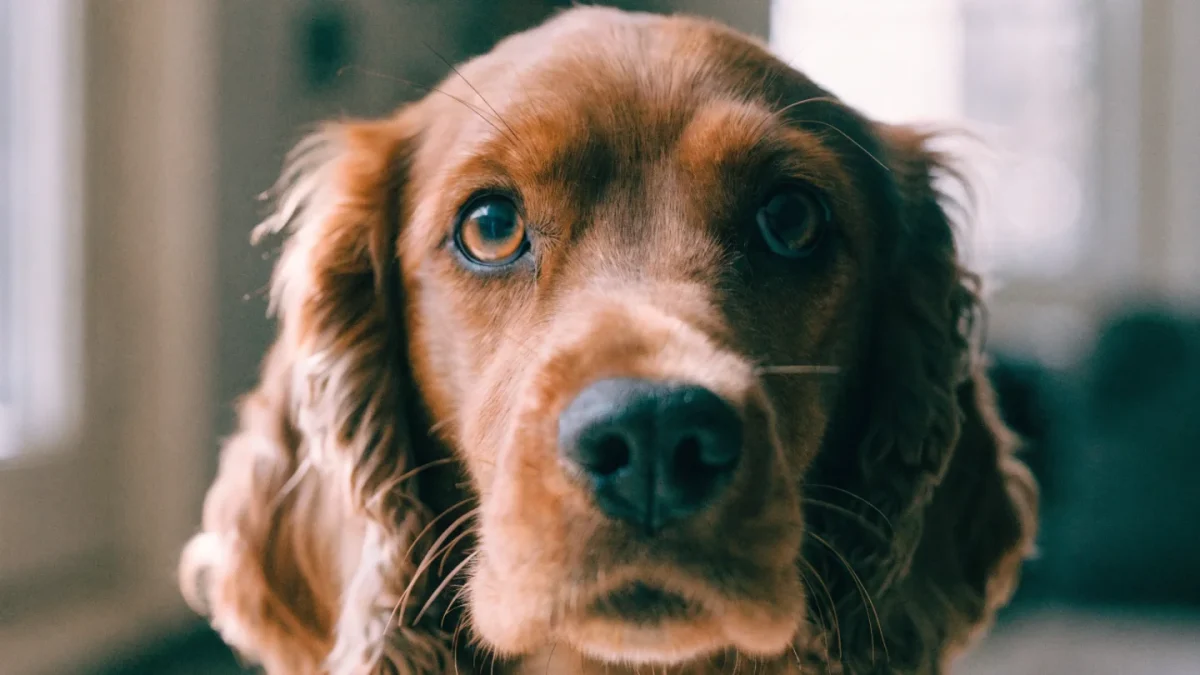
Eyes and ears are the sensory portals through which your pet experiences most of their world, and yet they're among the things owners are most likely to overlook until something is clearly wrong. A little discharge gets attributed to allergies. Some head shaking gets put down to a wet walk. Then three weeks later, we're dealing with a full-blown infection that could have been caught much sooner.
I don't say that to make anyone feel guilty — I say it because knowing what to look for genuinely changes outcomes. Most of the eye and ear conditions I treat in practice are highly manageable when addressed early. The ones that cause lasting damage are overwhelmingly cases where the problem went unrecognized for too long.
Understanding the Anatomy
Before getting into what goes wrong, a brief grounding in normal anatomy helps.
The Eye
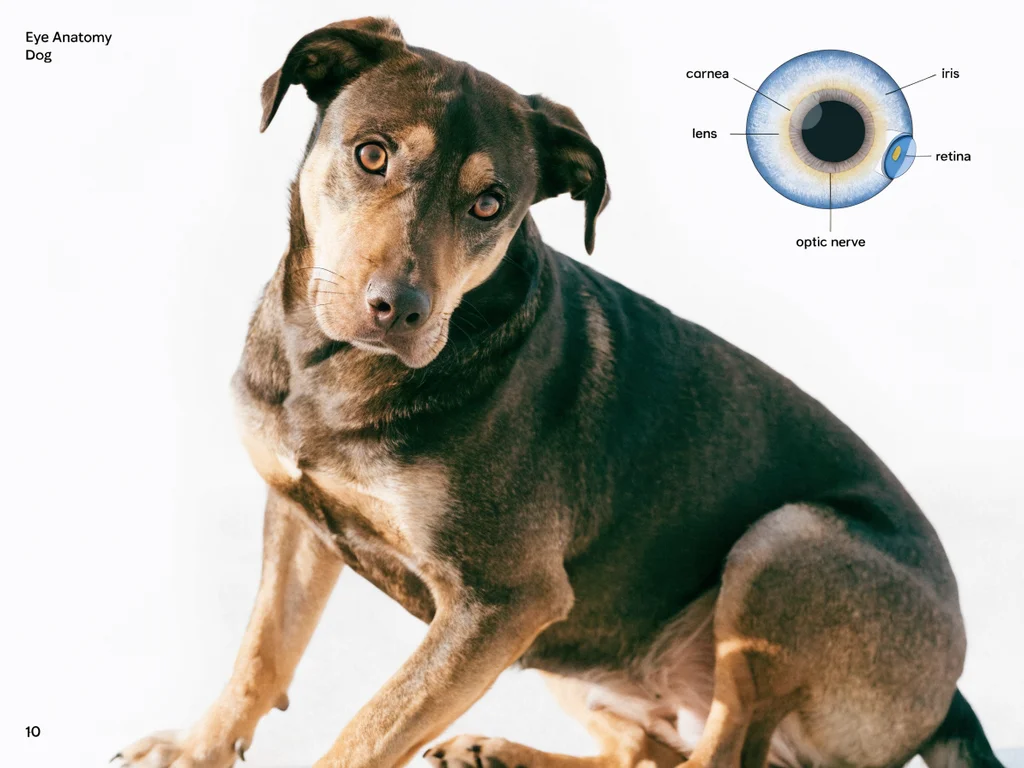
A pet's eye consists of the cornea (the transparent outer surface), the anterior chamber filled with aqueous humor, the lens, the vitreous chamber, and the retina at the back. The eyelids protect the eye surface; in dogs and some cats, a third eyelid (nictitating membrane) in the inner corner also provides protection and contains a lacrimal (tear) gland.
The conjunctiva — the pink tissue lining the inner eyelids and covering the visible white part of the eye — is often the first tissue to show signs of inflammation.
The Ear
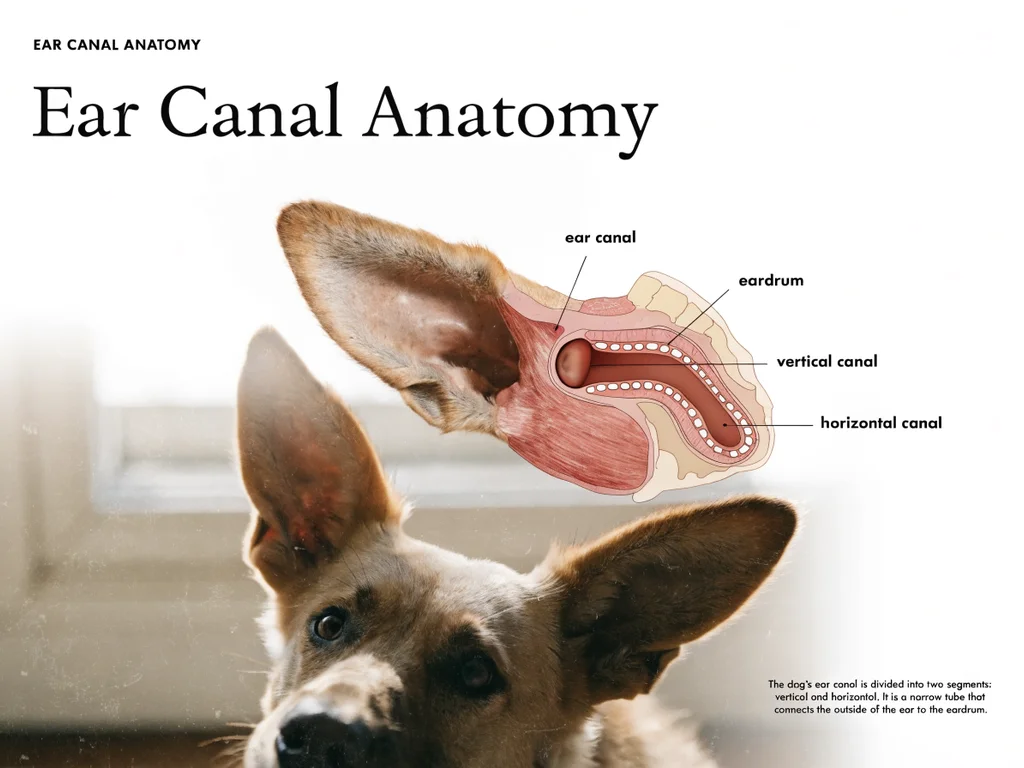
Dogs and cats have a longer, more complex ear canal than humans. The canal runs vertically downward from the ear opening, then turns horizontally toward the eardrum. This L-shaped structure means debris, moisture, and organisms can become trapped without any visible external sign.
The outer ear flap (pinna) varies enormously — floppy ears in breeds like Cocker Spaniels restrict airflow and create warmth and humidity, which is why these breeds are predisposed to ear infections. Cats and erect-eared dogs have better natural ventilation.
Common Eye Conditions: An Overview
Eye problems in pets span a wide range from minor to urgent. Understanding the broad categories helps you prioritize.
Conjunctivitis
Inflammation of the conjunctiva is the most common eye condition in both dogs and cats. It can be caused by infections (bacterial, viral, or in cats, Chlamydophila), allergies, foreign material, or as a secondary response to other eye conditions. Signs: red, swollen conjunctiva, discharge ranging from clear to yellow-green, squinting.
Conjunctivitis in cats deserves particular attention — herpesvirus (feline herpesvirus type 1) is a common cause; one study found FHV-1 DNA in about a third of cats with chronic conjunctivitis, and it can recur throughout a cat's life with stress as a trigger.
Corneal Injuries and Ulcers
The cornea is exposed and vulnerable. Scratches from plant material, cat scratches, and self-trauma (dogs rubbing at eyes) are common. Even small corneal ulcers cause significant pain — the cornea has a dense nerve supply. Signs: intense squinting (blepharospasm), excessive tearing, pawing at the eye, cloudy appearance to the cornea.
Corneal ulcers are urgent. An ulcer that looks minor on day one can progress rapidly, especially in brachycephalic breeds (short-nosed dogs like Bulldogs, Shih Tzus, Pugs) whose eyes protrude and are poorly protected.
Glaucoma
Glaucoma is increased intraocular pressure that damages the optic nerve and retina. It's painful and rapidly progressive — a dog can lose vision within 24-48 hours if glaucoma is severe and untreated. Signs: a visibly enlarged or protruding eye, cloudiness (especially at the cornea), redness, obvious pain, and behavior changes.
Any suddenly cloudy or apparently enlarged eye is an emergency. Don't wait for a routine appointment.
Cataracts
Cataracts — opacification of the lens — are visible as a white or grey clouding within the pupil. They can develop gradually (age-related, genetic) or rapidly (diabetic cataracts in dogs with poorly controlled diabetes). Vision loss is progressive. Surgical treatment (phacoemulsification) can restore vision in appropriate candidates.
Progressive Retinal Atrophy (PRA)
PRA is a group of inherited degenerative retinal diseases that cause progressive blindness, usually starting with night blindness and advancing to full vision loss. It's well documented in Labrador Retrievers, Cocker Spaniels, Collies, Miniature Schnauzers, and a long list of other breeds — the specific mutation and age of onset vary by breed. No treatment exists; genetic testing can identify carriers before breeding.
Common Ear Conditions: An Overview
Otitis Externa
Otitis externa — inflammation of the outer ear canal — is one of the most common conditions I treat. Its signs are hard to miss: head shaking, ear scratching, odor, discharge (ranging from dark brown to yellow-green), redness, and a dog or cat that resists having their ear touched.
Ear infections have underlying causes: allergies are the most common in dogs (food allergies, environmental allergies), followed by anatomical predisposition (floppy ears, narrow canals, excess hair in the canal), moisture, and ear mites. Treating the infection without identifying and addressing the underlying cause leads to recurring infections.
Ear Mites
Ear mites (Otodectes cynotis) are microscopic parasites that live in the ear canal, feeding on skin debris. They're far more common in cats than dogs and are highly contagious between cats in the same household. Signs: intense ear scratching, head shaking, dark crumbly discharge that looks like coffee grounds.
Ear mites are treated topically with antiparasitic products; all animals in the household need treatment simultaneously.
Otitis Media and Interna
Infection that extends beyond the eardrum (otitis media) and into the inner ear (otitis interna) causes more serious signs including head tilt, loss of balance, abnormal eye movements (nystagmus), and in severe cases, neurological deficits. This represents a significant escalation from outer ear infection and requires systemic antibiotics and often advanced imaging.
Ear Hematomas
An aural hematoma is a blood-filled pocket that forms in the ear flap (pinna) when small blood vessels rupture — usually from vigorous head shaking or scratching due to an underlying ear problem. The ear flap becomes swollen, warm, and fluid-filled. Treatment typically involves drainage and addressing the underlying cause of the self-trauma.
Prevention: What You Can Do at Home
Preventing eye and ear problems is partly about management and partly about knowing your individual pet's baseline.
Regular Inspection
Get into the habit of briefly examining your pet's eyes and ears at least weekly. For the eyes: look for symmetry (both eyes should appear identical), check for discharge, note whether the whites look white and the conjunctiva looks pale pink. For the ears: look into the canal opening for any visible discharge or unusual material, note any odor, and observe your pet's behavior during and after inspection.
Ear Cleaning
Routine ear cleaning is appropriate for some dogs — particularly those with floppy ears, post-swimming, or with a history of recurrent infections. It's not necessary or recommended for all dogs, and over-cleaning a healthy ear can cause irritation. For detailed guidance, see ear problems in dogs and cats and the separate cleaning guides.
Eye Care
Eyes generally need less active maintenance than ears. Routine gentle wiping of discharge from the corners with a damp cloth is all most pets need. Hair around the eyes should be kept trimmed to prevent mechanical irritation. Never use human eye drops in a pet's eyes without veterinary guidance — some formulations are harmful to animals.
Breed-Specific Vigilance
Owners of brachycephalic breeds need to be especially attentive to eye health — the anatomy puts these animals at increased risk for corneal disease, cherry eye, and entropion. Owners of Cocker Spaniels, Basset Hounds, and other long-eared breeds should monitor ear health closely. Certain breeds are also genetically predisposed to specific conditions (glaucoma in Cocker Spaniels, PRA in Labradors) where earlier screening is worthwhile.
Warning Signs That Need Same-Day Veterinary Attention
Some signs are not "wait and see" situations. Contact your vet promptly for:
- Sudden cloudiness or haziness in the eye (possible glaucoma or corneal ulcer)
- A visibly enlarged or protruding eye
- Intense squinting with eye held shut
- Any eye injury (scratch, foreign body, chemical contact)
- Sudden change in behavior suggesting the pet cannot see (walking into furniture, hesitating in familiar spaces)
- Neurological signs alongside ear symptoms (head tilt, falling, eye flickering)
- Ear discharge with severe pain or fever
For eye emergencies in particular, speed matters more than for most conditions. A 24-hour delay can mean the difference between a treatable problem and permanent damage.
The Bigger Picture
Eye and ear health doesn't exist in isolation. Many of the conditions that affect these structures are secondary to systemic disease — diabetes causes cataracts, hypothyroidism contributes to certain ear conditions, allergies drive most recurrent ear infections, and immune system status affects susceptibility to infections throughout. A recurring eye or ear problem that doesn't respond to treatment is often trying to tell you something about the animal's overall health.
Detailed guidance on specific conditions is in the cluster articles: eye conditions and diseases in dogs and cats covers the visual system comprehensively, while ear problems in dogs and cats goes deeper into infection, mites, and chronic ear disease.
Frequently Asked Questions
How often should I clean my dog's ears?
It depends on the dog. Healthy ears with no history of problems don't need routine cleaning. Dogs prone to ear infections, those with floppy ears, and those that swim regularly may benefit from cleaning every one to two weeks or after water exposure. Ask your vet for a recommendation based on your dog's specific anatomy and history — over-cleaning a healthy ear can do more harm than good.
Can cats go blind from eye infections?
Some eye infections — particularly severe herpesvirus infections and untreated corneal ulcers — can cause permanent eye damage and vision loss if not treated promptly. Most routine conjunctivitis, treated appropriately, does not lead to blindness. The risk is higher with delayed treatment, recurrent infections, and in cats with pre-existing eye conditions.
What does normal eye discharge look like in pets?
A small amount of clear or slightly rust-colored discharge in the inner corners of the eyes is normal. What's not normal: yellow or green discharge, discharge that's crusty and seals the eye, discharge from only one eye when the other is clear, or any discharge accompanied by squinting, redness, or pawing at the eye.
My dog has been shaking their head a lot. Should I see a vet?
Yes, if it's been going on for more than a day or two, or if you can see discharge or smell an odor from the ear. Persistent head shaking usually indicates ear irritation — either from an infection, ear mites, a foreign body, or early otitis. The sooner the underlying cause is identified, the easier it is to treat.
Are ear infections contagious between pets?
Bacterial and yeast ear infections in dogs are not contagious to other animals or humans. Ear mites are contagious between cats (and occasionally to dogs), so if one cat in a household is diagnosed, all cats should be treated simultaneously. Some viral causes of eye infection in cats (herpesvirus, calicivirus) are also contagious between cats.