

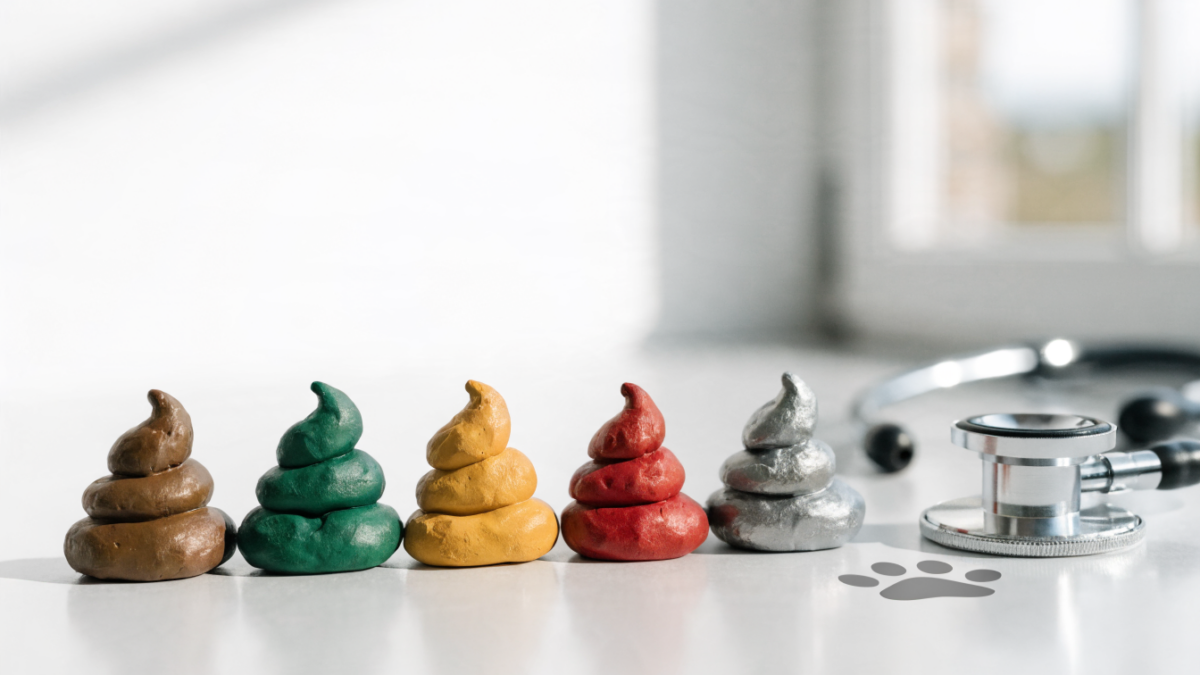
Let me tell you about a Golden Retriever named Biscuit. His owner, Karen, was worried because she’d noticed his stool had turned a strange silvery color over the weekend. She almost didn’t mention it — she thought maybe he’d just gotten into something in the yard. But that observation, that one detail about the color of her dog’s poop, ended up being the clue that led his vet to a serious liver condition before it became life-threatening. Biscuit’s doing great now, by the way, but that story sticks with me because it’s a reminder of how much valuable information shows up in the litter box and on the sidewalk. Most pet owners don’t really want to look too closely at what their animals leave behind. I get it. But that waste is actually one of the best windows into what’s happening inside your pet’s body.
The Poop Chart: What Each Color Means
Healthy stool gets its brown color from bile, a digestive fluid your pet’s liver produces to help break down fats. As bile travels through the digestive tract, it transforms from greenish-yellow to that rich brown we all recognize. When that process gets interrupted — or when something else enters the picture — the color changes, and those changes mean specific things.
Brown: The Gold Standard
If your dog’s poop is tubular, dark brown, fairly firm, and easy to pick up without leaving a mess behind, you’re in great shape. For cats, you’re looking for something shaped like what one vet tech memorably called a “Tootsie Roll” — dark brown, well-formed, and compact. This is what you want to see every time.
Yellow or Pale Stools
These colors often signal that something’s off with the liver or the biliary system (the network of ducts that carry bile from the liver to the intestines). Pale, clay-colored stools specifically suggest that bile isn’t making its way through the digestive tract properly. I always take these cases seriously. If you notice this persisting for more than a day, it’s worth a phone call to your veterinarian.
White Stools
True white stool is rare, but when I see it, I’m thinking about liver disease, biliary obstruction, or sometimes a diet with extremely high bone content (more on that in the raw diet discussion below). Some dogs on raw diets produce chalky, white, crumbly stools because the calcium in bone material isn’t fully digested. That’s a different conversation than a sick dog producing white stool, which is why context matters so much.
Red or Bloody Stools
A small streak of bright red blood once isn’t necessarily an emergency — it often means there’s some irritation in the lower digestive tract, maybe from straining or a minor dietary indiscretion. But large amounts of blood, or blood accompanied by lethargy and vomiting, means you should call your vet right away. I’d rather you call and have me say “let’s watch it” than have you wait on something serious.
Black or Tarry Stools
This one always gets my attention. Black, tarry stool — we call it melena — means there’s bleeding somewhere in the upper digestive tract, like the stomach or small intestine. The blood gets digested as it travels through, turning dark and sticky. If you see this, don’t wait. This is a same-day veterinary visit.
Green Stools
Green poop usually means one of two things: your pet ate a lot of grass or plant material (dogs especially love to graze when their stomachs are upset), or bile is moving through the digestive tract too quickly. A single green stool after a yard adventure is usually no big deal. Persistent green stools warrant investigation.
Consistency Tells You Just as Much as Color
Color gets all the attention, but consistency — how firm or soft the stool is — matters just as much. I tell owners to think of it as a spectrum.
On one end, you have hard, pebble-like stools. These often indicate dehydration or constipation. I see this a lot in older cats who don’t drink enough water, and in dogs who’ve been eating things that don’t agree with them. If your cat’s stool looks like small, dry rocks, we need to talk about hydration strategies and possibly dietary fiber adjustments.
On the other end, runny or liquid stools — diarrhea — can come from infections, dietary distress, parasites like Giardia, stress, or bacterial imbalances in the gut. A single soft stool after a new treat isn’t cause for panic. But diarrhea lasting more than 24 to 48 hours, especially with other symptoms, needs veterinary attention.
The ideal stool leaves little to no residue when you pick it up. If you’re leaving a smear on the sidewalk or needing to scrub the litter box more than usual, something has shifted.
Common Culprits Behind the Changes
By far the most common cause of sudden stool changes is dietary indiscretion — which is a polite way of saying your dog ate something he shouldn’t have. Kitchen scraps, garbage, a “mystery snack” found on a walk. Take a Beagle named Cooper, who came in with explosive diarrhea after his owner discovered he’d eaten an entire block of cheese from the counter. Cooper was fine, but his digestive tract was not pleased.
Beyond dietary mischief, here are the usual suspects:
- Parasites: Roundworms, hookworms, Giardia, and other intestinal parasites can dramatically change stool appearance. Some you can see (worm segments that look like grains of rice), and some are microscopic.
- Stress: Pets have gut-brain connections just like we do. A move, a new pet, a schedule change — all of these can show up in the litter box or yard.
- Diet transitions: Switching foods too quickly is a major cause of temporary stool changes. I recommend transitioning over 7 to 10 days minimum.
- Bacterial imbalances: The gut microbiome — the community of bacteria living in the digestive tract — can shift after antibiotic use, illness, or diet changes.
The Raw Diet Debate
I want to address this directly because I get asked about it constantly. Raw diet proponents argue that raw feeding produces smaller, firmer, less odorous stools. In my experience, that can be true — the high protein and bone content does create compact waste. But there are trade-offs I’ve changed my thinking on over the years.
Raw diets can produce very pale or crumbly stools due to high bone content, which some owners mistake for a liver problem. More concerning to me is the documented risk of bacterial shedding — raw-fed pets can shed Salmonella and other pathogens in their feces, which becomes a public health issue, especially in households with immunocompromised people or young children. I don’t dismiss raw feeding entirely, but I do think owners need to understand the full picture and handle raw-fed pet waste with extra care.
The grain-free versus grain-inclusive debate also affects what you’ll see in the yard. Some pets produce looser stools on grain-free diets depending on the fiber sources used. I’ve learned to evaluate each pet individually rather than making blanket recommendations.
Modern Poop Science: What’s New
Veterinary medicine has gotten remarkably sophisticated about waste analysis. One development I’m genuinely excited about is Fecal Microbiota Transplantation (FMT) — essentially a fecal transplant from a healthy donor dog to one with chronic gastrointestinal disease. It sounds strange, I know, but the results for conditions like chronic diarrhea and inflammatory bowel disease have been impressive. It’s a reminder of just how important healthy gut bacteria are.
At-home microbiome testing has also become available. You mail in a small stool sample, and a lab analyzes your pet’s gut bacteria, providing dietary recommendations based on the results. I’ve found these useful as a starting point for pets with chronic digestive issues, though they’re not a substitute for veterinary evaluation.
And then there’s the somewhat amusing development of DNA poop-testing — some apartment complexes and municipalities now test dog waste to identify owners who don’t clean up. Not a health application, but it does highlight how much information a single stool sample contains.
When to Call and When to Watch
I want to give you clear guidelines, because I know it’s hard to know when something is urgent. Here’s my practical framework:
Call immediately if you see:
- Large amounts of blood in the stool
- Black, tarry stools
- Diarrhea accompanied by vomiting, lethargy, or loss of appetite
- Pale or white stools lasting more than 24 hours
- Any stool changes in a very young puppy or kitten, or in a senior pet with other health conditions
Monitor at home (but call if it persists) if you notice:
- A single soft stool after a dietary change or new treat
- Slightly looser stools during stressful events (travel, visitors, new pets)
- Minor color changes that resolve within a day
The most important thing I can tell you is this: you have to look. Scoop the litter box daily. Pay attention on walks. You can’t spot abnormalities if you’re not paying attention to what your pet leaves behind. I can’t count the number of serious conditions we’ve caught early simply because an owner noticed something had changed.
I’ll leave you with this thought: being attentive to your pet’s waste isn’t just about their individual health — it’s part of being a responsible member of your community. Parasites and bacteria shed in pet waste can contaminate soil and water, affecting wildlife and other animals. When you pick up after your dog, maintain a clean litter box, and stay informed about what’s normal for your pet, you’re protecting more than just your own animal. You’re contributing to a healthier environment for pets, people, and wildlife alike. Sometimes the most important things we do as pet owners are the least glamorous — and paying attention to poop is right at the top of that list.