

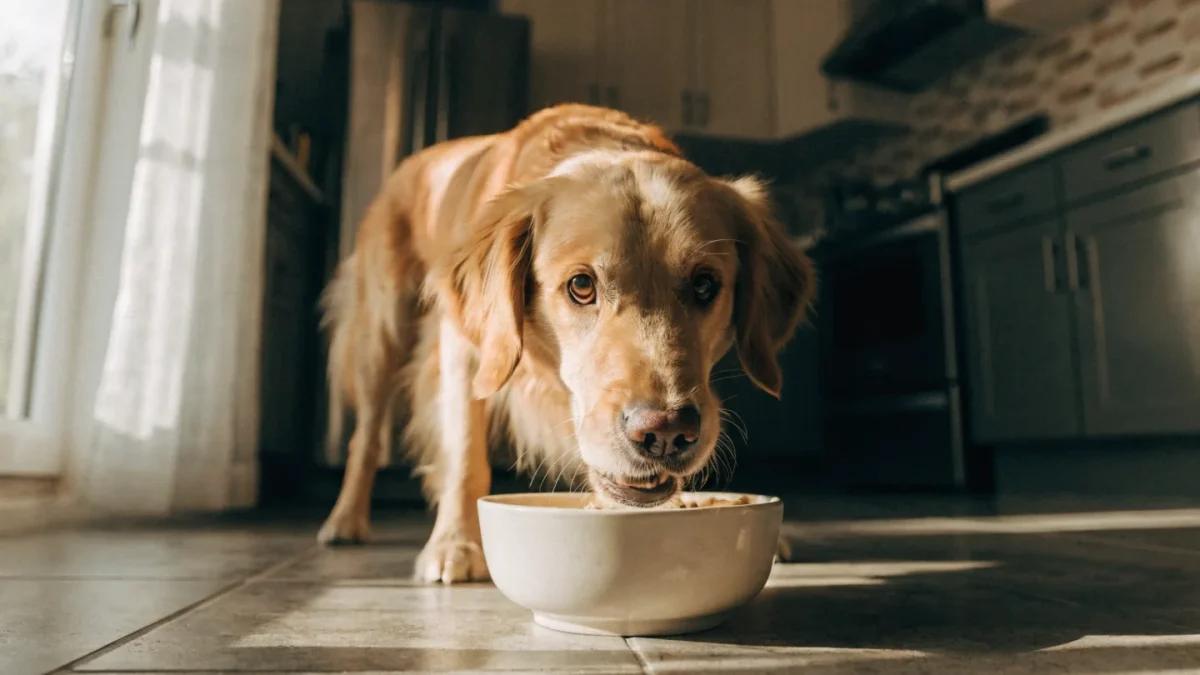
A client brought her three-year-old French Bulldog in last November with the kind of chronic soft stool situation that had been going on for months. Not diarrhea, exactly — just never quite right. She'd already tried three different foods, added pumpkin, tried rice. She came in clutching a bag of the most expensive probiotic supplement I'd seen in a while, bought on recommendation from a friend whose dog "totally turned around" after taking it.
I didn't have the heart to tell her immediately that her Frenchie's issue was likely a low-grade food sensitivity and no probiotic was going to fix that. But it gave us a good conversation about what probiotics can actually do, when they're worth giving, and when they're essentially expensive theater.
For the record: her dog eventually improved once we identified a chicken intolerance. The probiotics didn't hurt. They also didn't help much. That's about right for a lot of situations.
What Probiotics Actually Are (And Aren't)
Probiotics are live microorganisms — mainly bacteria, occasionally yeasts — that, when consumed in adequate amounts, provide a health benefit to the host. In practice, they're meant to support the microbial community living in your pet's gut, which influences digestion, immune function, and even stress response to some degree — research published in Perspectives and Advances in Probiotics and the Gut Microbiome in Companion Animals (Journal of Animal Science and Technology, 2022) confirms all three of these pathways are real and measurable.
Dogs and cats have genuinely complex gut microbiomes. The composition shifts based on diet, stress, age, illness, and antibiotic use. Probiotics are designed to help restore or maintain a healthy balance — but "healthy balance" is doing a lot of work there, because we don't have a complete picture of what that means for any given individual animal.
What they are not: a treatment for illness, a cure for food allergies, or a substitute for investigating what's actually wrong.
When They're Genuinely Worth It
During and after antibiotic courses. Antibiotics don't discriminate between harmful bacteria and beneficial ones. A round of amoxicillin for a skin infection can significantly disrupt gut flora, sometimes causing loose stool or stomach upset. Giving a probiotic alongside — or just after — an antibiotic course is the situation where the evidence is clearest — a systematic review in Frontiers in Veterinary Science (2019) identified this as the most consistently supported use, with several randomized controlled trials showing probiotics can shorten the duration of antibiotic-associated diarrhea in dogs. There's an ongoing debate about whether to give them simultaneously or stagger by a few hours so the antibiotic doesn't kill the probiotic before it reaches the gut. I tell clients to give the probiotic at a different time of day than the antibiotic, just to be safe.
Dietary transitions. Switching foods too quickly causes digestive upset in a lot of dogs. Probiotics can help ease the transition, especially for animals with sensitive stomachs. Combine them with a slow 7-10 day crossover schedule rather than using them as a shortcut to switch faster.
Stress-related gut disruption. Boarding, travel, a new baby in the house, another pet moving in — the gut-brain connection in pets is real, and stress genuinely affects digestion. Short-term probiotic use around stressful events makes practical sense even if the clinical data is limited.
Recovering from gastrointestinal illness. After a bout of gastroenteritis or infectious diarrhea, the gut flora can be in rough shape. A few weeks of probiotics during recovery seems sensible.
What They Won't Fix
Chronic digestive problems with an underlying cause — food sensitivities, parasites, inflammatory bowel disease, exocrine pancreatic insufficiency — won't respond to probiotics alone. If a probiotic isn't showing any effect within 3-4 weeks, it's time to dig deeper rather than try a different strain or brand.
I also get a bit frustrated when I see probiotics recommended as a preventive measure for otherwise healthy pets eating a complete, balanced diet. The gut microbiome of a healthy dog is generally resilient — it doesn't need daily supplementation to stay balanced. There's even some speculation, unproven, that constant supplementation may reduce diversity of native gut flora by crowding out strains not in the supplement.
That might be overcautious. But I'd rather see owners spend that money on a higher-quality base food.
The Strain Problem
Not all probiotics are the same, and a lot of what's sold for pets contains strains that were studied in humans, not dogs or cats.
The most well-researched strains for dogs include Enterococcus faecium SF68 and certain Lactobacillus strains — these have actual canine clinical data behind them, including a study in the Journal of Veterinary Internal Medicine (Bybee et al., 2011) showing reduced diarrhea in shelter animals given SF68, and a separate study demonstrating enhanced immune function in young dogs supplemented with the same strain. Feline research is thinner, though Bifidobacterium longum has shown some promise in cats with stress-related colitis.
When reading labels, look for: strain identification (not just species name), CFU count at time of expiry (not manufacture), and ideally some indication of research in companion animals. The CFU count matters — a product that starts with 5 billion but degrades to 200,000 by the time your dog eats it isn't doing much. Encapsulation and storage conditions matter more than most owners realize.
Understanding prebiotics vs probiotics also changes how you approach this — prebiotics are the fiber that feeds gut bacteria, not live bacteria themselves, and sometimes that's actually more useful than a probiotic.
How Long to Give Them
For antibiotic support: continue through the course and 1-2 weeks after. For dietary transition: 2-4 weeks. For stress events: a week before and a week after. For chronic soft stools with no identified cause: 4-6 week trial, then reassess.
Longer isn't necessarily better.
Practical Notes on Quality
Refrigeration matters — or it should. Heat and moisture kill live bacteria. If a product doesn't need refrigeration and claims billions of live CFUs, I'd want to see data on how they achieved that stability. A few formulations genuinely work at room temperature via encapsulation, but they're the exception.
For context on where probiotics sit within the broader world of supplements, what actually works in pet supplements is worth reading — probiotics are one of the more legitimate categories, but "more legitimate than most supplements" isn't the same as "definitely effective for your specific pet." And if you're also considering fish oil for dogs and cats, that supplement has stronger evidence for specific conditions — worth knowing how they compare.
FAQ
Are pet probiotics the same as human probiotics?
Mostly no. The gut microbiome of dogs and cats is different from ours — different dominant species, different pH environments, different fermentation patterns. A human probiotic isn't dangerous for a dog, but the strains are optimized for human gut conditions. A product formulated and tested in companion animals is a better choice. Also: some human products contain xylitol as a sweetener, which is toxic to dogs. Always check the ingredient list.
My cat has been on antibiotics and now has diarrhea. Should I start a probiotic?
Yes, this is one of the better-supported uses. Antibiotic-associated diarrhea in cats is fairly common. Starting a probiotic and giving it a few hours apart from the antibiotic dose is reasonable. The diarrhea usually resolves within a week or two after the antibiotic course ends even without intervention — but a probiotic can shorten that window. If it persists past 2 weeks after antibiotics end, have your vet check for secondary infections.
How do I know if the probiotic is working?
Watch the stool. That's the most direct measure. You're looking for improvement toward firm, well-formed output within 2-4 weeks. Some pets show improvement in coat or energy as a secondary effect — probiotics influence more than digestion — but stool consistency is the most reliable signal. No change in a month? It's not working for your pet.
Can I give yogurt instead?
Plain, unsweetened yogurt with live cultures is safe for most dogs in small amounts. The CFU count and strain variety are generally lower than dedicated probiotic products, and many cats are lactose-sensitive enough that dairy causes more gut disruption than it resolves. I don't discourage it for dogs as an occasional thing, but I wouldn't rely on it therapeutically. Never flavored yogurt — the sweeteners can be harmful.
My dog has perfect digestion. Should I give probiotics anyway?
Probably not necessary. A healthy gut doesn't need supplementation the way a disrupted one does. The money is better spent elsewhere. That said, there's no evidence of harm from a well-formulated probiotic in a healthy dog — so if you want to, it's not wrong. Just don't expect visible results.